





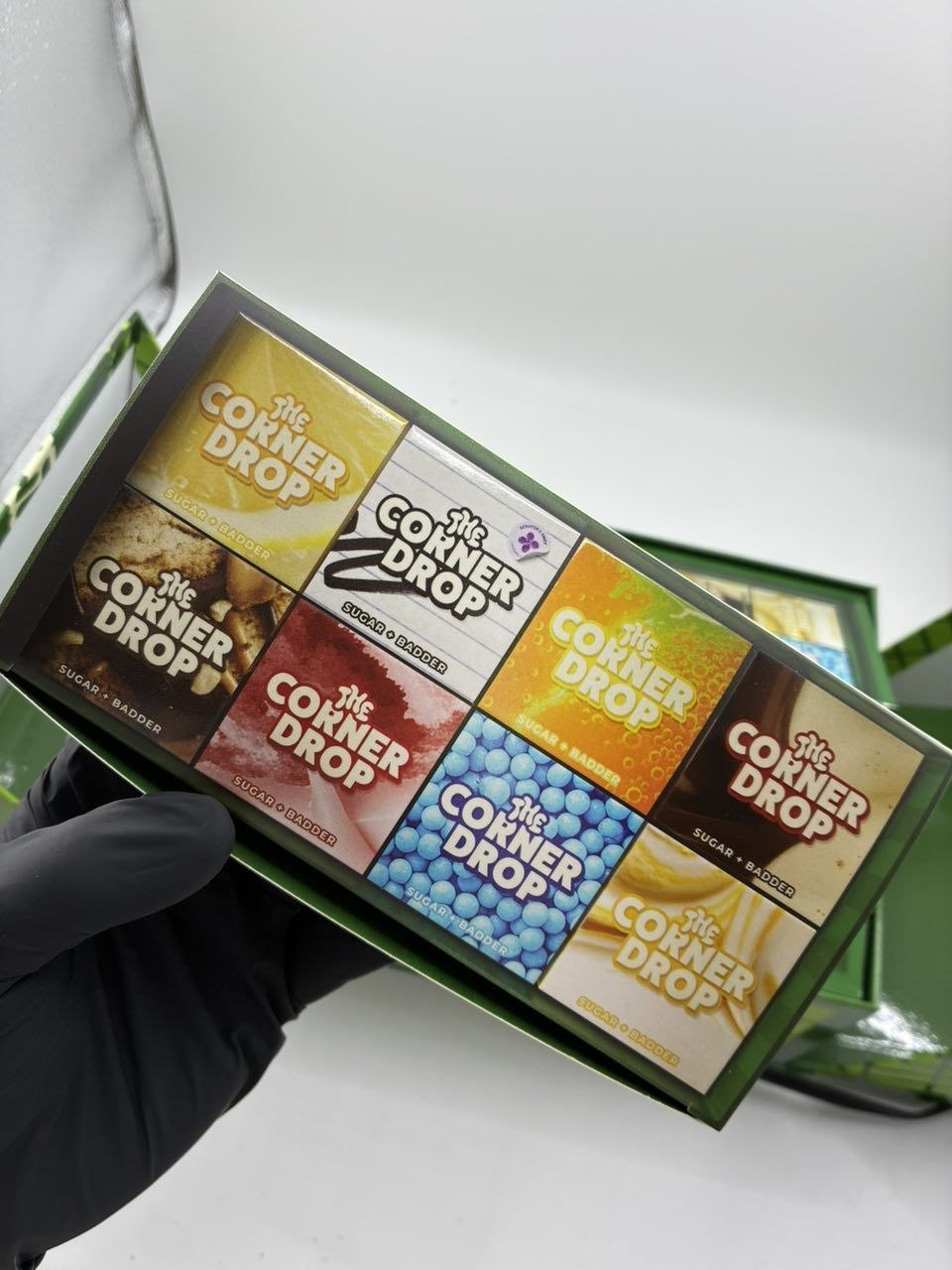



Splitz Corner Drop Sugar x Badder – Informational Product Overview
The splitz corner drop sugar x badder is a cannabis concentrate product that may be available in regulated jurisdictions where cannabis-derived products are legally authorized. This document provides a factual overview of the product category, concentrate classifications, manufacturing considerations, storage recommendations, packaging practices, and regulatory factors.
This content is intended solely for educational, informational, cataloging, and reference purposes. It should not be interpreted as advertising, medical advice, health guidance, or a recommendation to purchase or use any cannabis-derived product.
Product Category Overview
Cannabis concentrates are products manufactured by isolating and concentrating specific compounds from cannabis plant material. These products may contain varying amounts of cannabinoids, terpenes, and other naturally occurring compounds depending on the source material and manufacturing methods employed.
Concentrates are available in a variety of textures and consistencies. Product classifications often reflect physical appearance, manufacturing processes, or handling characteristics rather than quality or potency.
Factors that may influence concentrate characteristics include:
- Plant genetics
- Cultivation practices
- Harvest timing
- Extraction methods
- Refinement procedures
- Storage conditions
- Batch variation
As a result, products may differ significantly among manufacturers and production runs.
Understanding Sugar and Badder Concentrates
The name “Sugar x Badder” generally references two concentrate texture classifications commonly found within regulated cannabis markets.
Sugar Texture
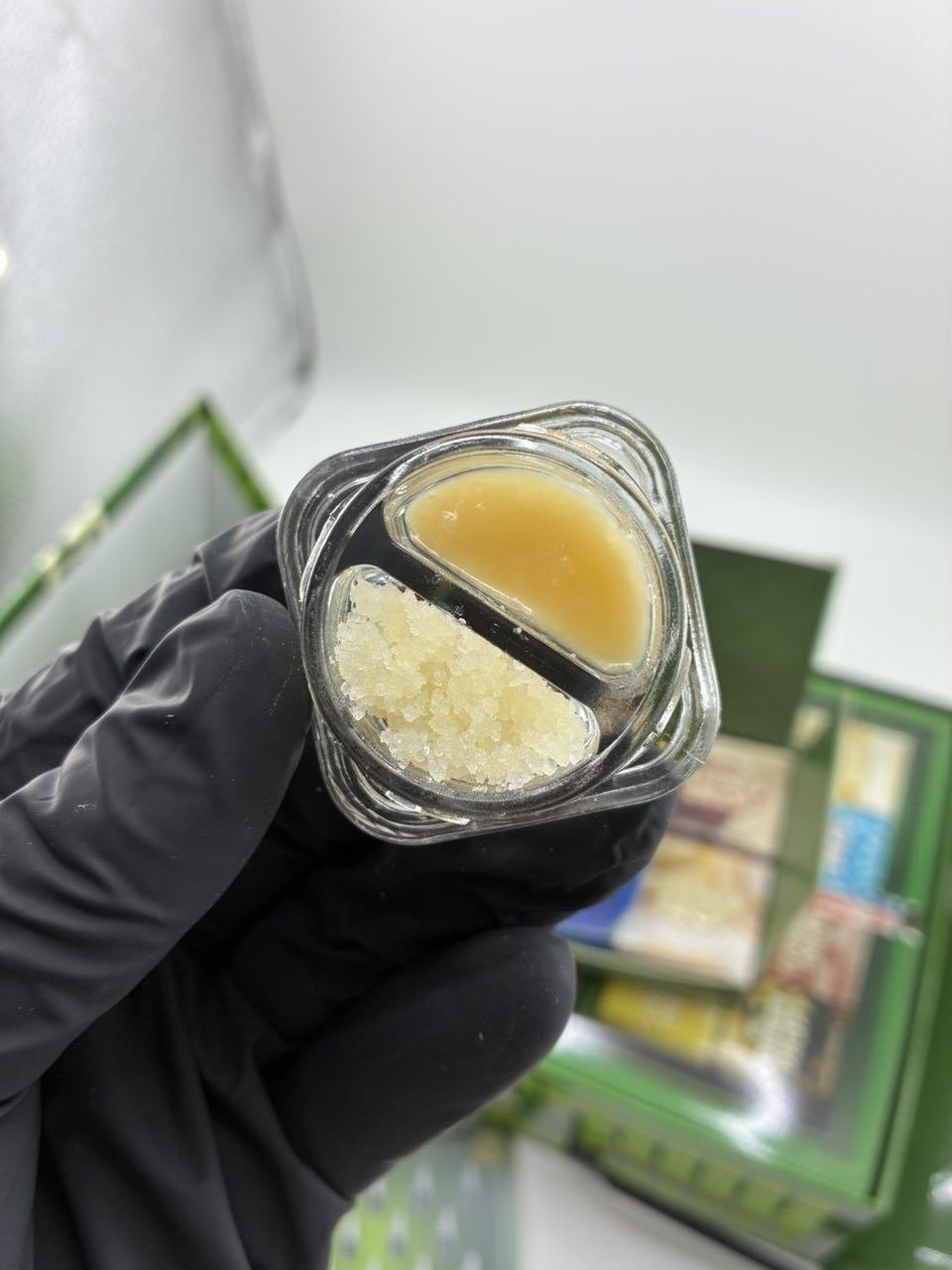
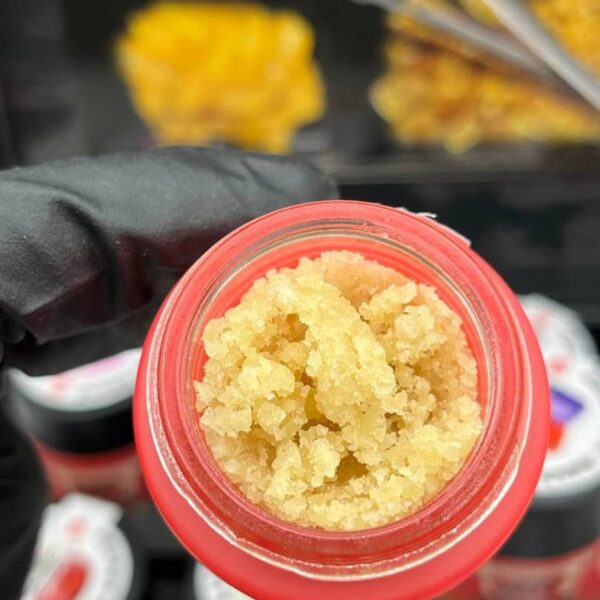
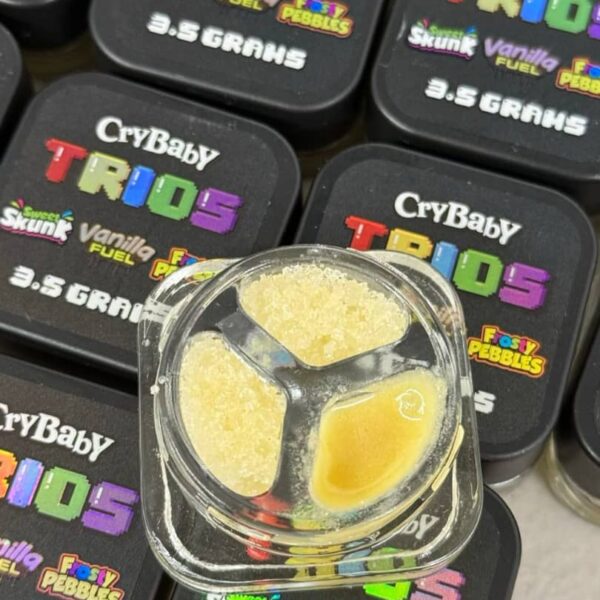
Products described as “sugar” frequently exhibit a crystalline or granular appearance. Crystal formation may occur naturally during processing and storage depending on cannabinoid composition and production methods.
Physical characteristics can vary based on:
- Extraction techniques
- Cannabinoid concentration
- Terpene content
- Temperature conditions
- Manufacturing procedures
Badder Texture
Products described as “badder” generally possess a whipped, creamy, or smooth consistency. Texture development may result from specific post-processing techniques employed during manufacturing.
The appearance and handling properties of badder-style concentrates can differ among manufacturers and batches.
Combination Texture Products
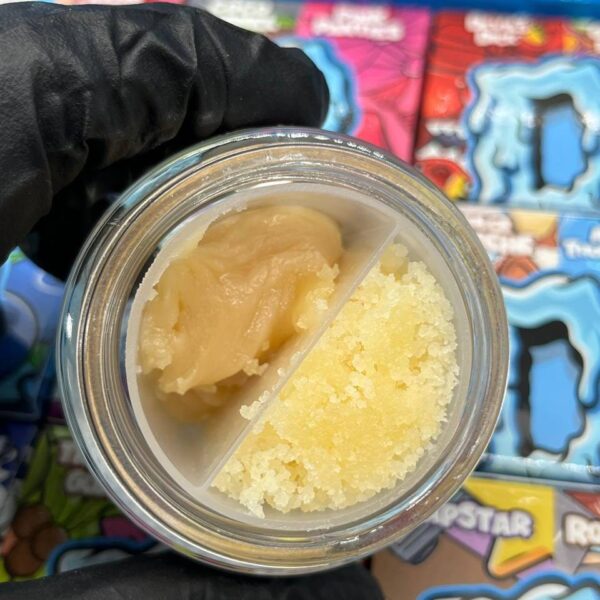
Some products may combine characteristics associated with both sugar and badder classifications. Such products can display mixed textures that reflect specific production goals and processing methods.
Composition Considerations
Cannabis concentrates may contain a variety of naturally occurring compounds derived from cannabis plant material.
Potential components may include:
- Cannabinoids
- Terpenes
- Flavonoids
- Plant-derived compounds
The exact composition depends on source materials, manufacturing processes, and product specifications.
Cannabinoid Information
Cannabis plants naturally produce multiple cannabinoids. The concentration of these compounds varies among cultivars and production batches.
Laboratory analysis may provide information regarding:
- Total cannabinoid content
- THC concentration
- CBD concentration
- Minor cannabinoid content
- Batch-specific analytical results
Testing requirements vary according to jurisdiction and regulatory frameworks.
Terpene Profile
Terpenes are aromatic compounds found in cannabis and numerous other plant species.
Common cannabis terpenes may include:
- Myrcene
- Limonene
- Caryophyllene
- Pinene
- Linalool
- Humulene
- Terpinolene
Terpene concentrations may differ according to genetics, cultivation practices, extraction procedures, and storage conditions.
Manufacturing Overview
Concentrate production generally involves multiple stages designed to isolate specific compounds from cannabis plant material.
Typical production stages may include:
Raw Material Selection
Manufacturers select plant material according to internal specifications and quality standards.
Extraction
Extraction processes are used to separate target compounds from plant material.
Refinement
Additional processing steps may be employed to refine the extracted material.
Texture Development
Certain products undergo specialized procedures intended to achieve specific consistency characteristics.
Packaging
Finished products are packaged and labeled according to applicable requirements.
Distribution
Products enter authorized supply chains where permitted by law.
Quality Assurance
Manufacturers may implement quality-control systems designed to support consistency and regulatory compliance.
Quality-assurance activities may include:
- Material verification
- Process monitoring
- Laboratory testing
- Documentation review
- Packaging inspection
- Compliance assessment
Specific quality programs vary among manufacturers.
Packaging and Labeling
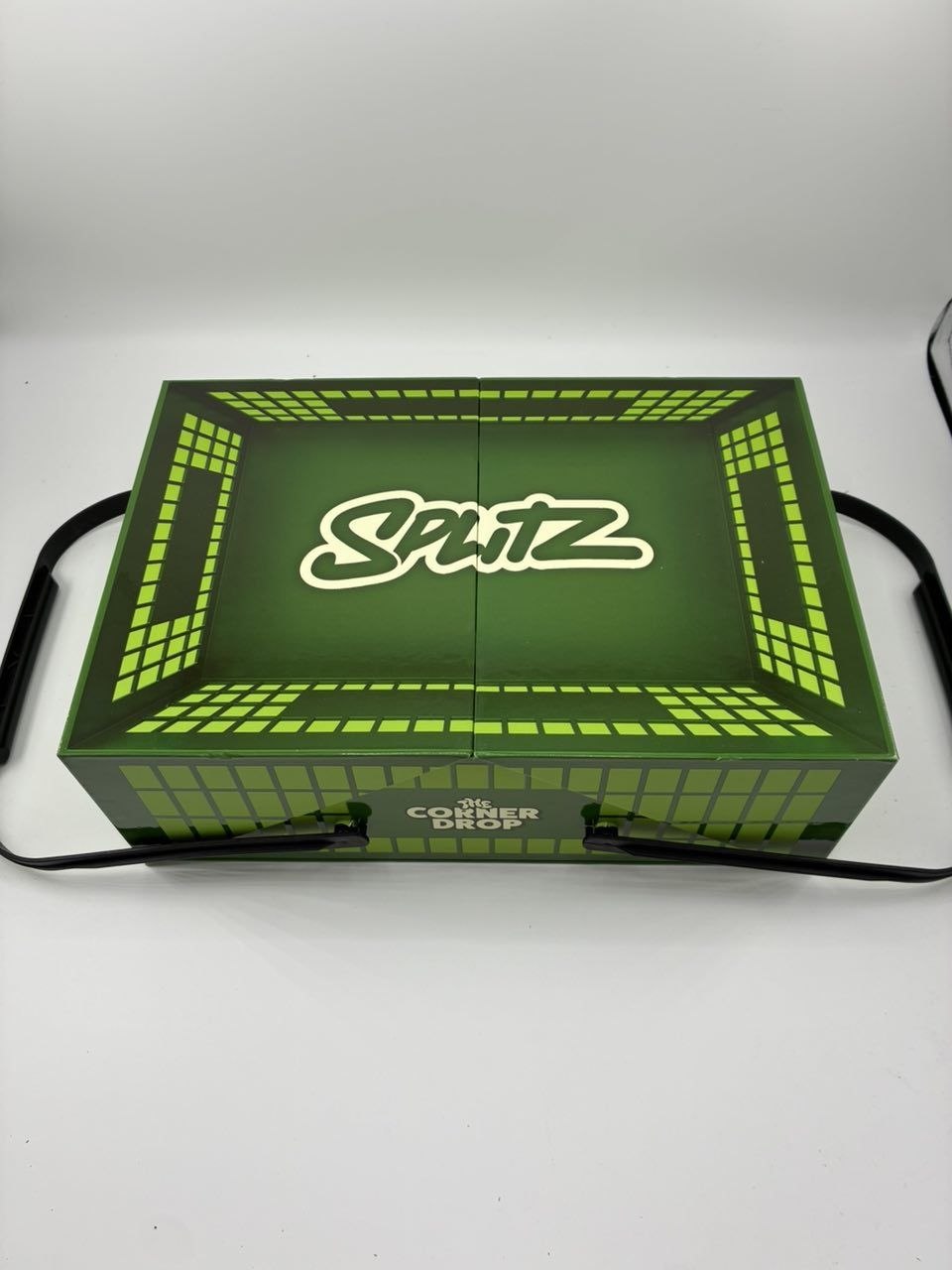
Packaging serves several important functions including product protection, information delivery, and regulatory compliance.
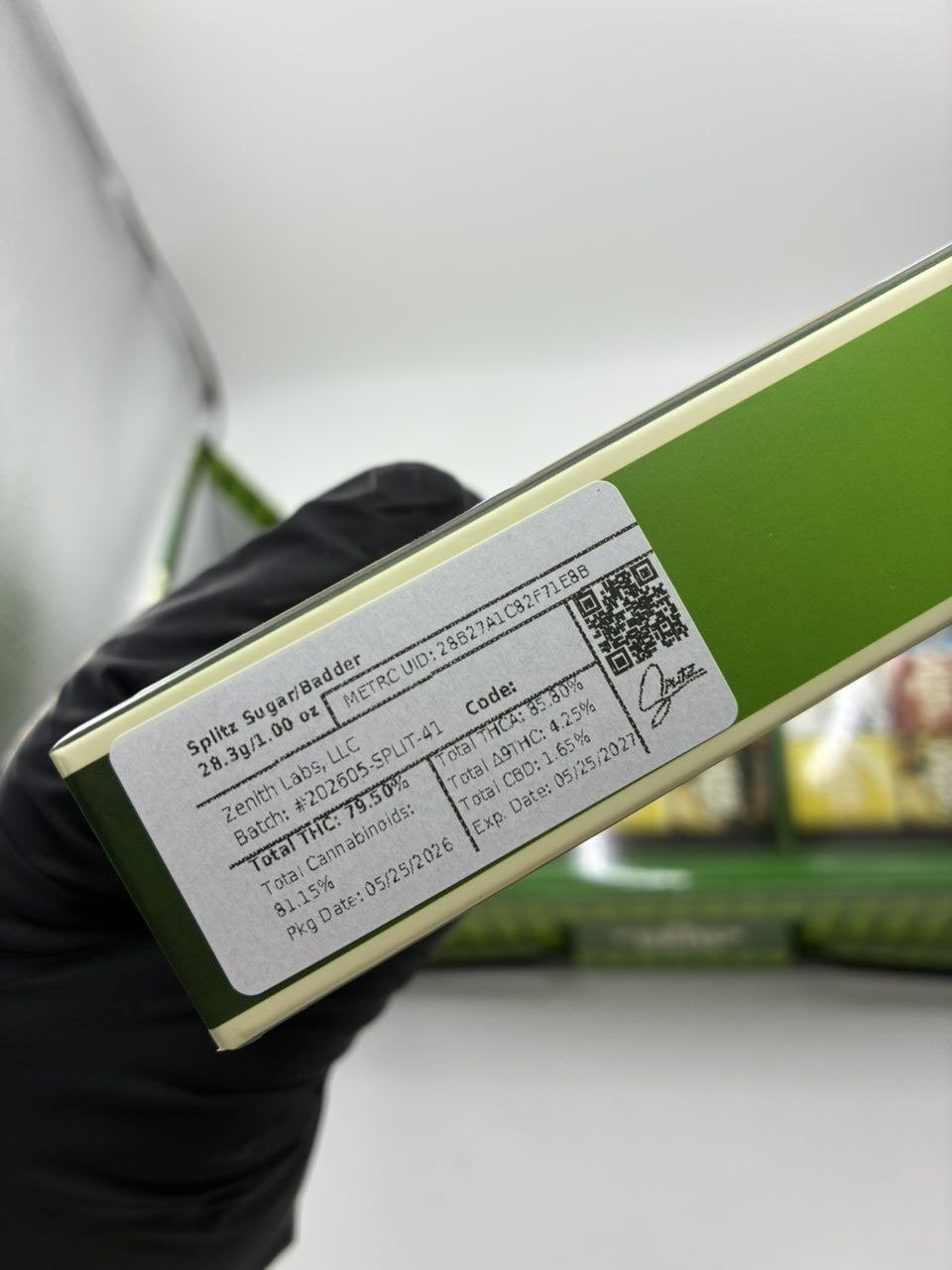
Product packaging may contain:
- Product identification
- Batch information
- Manufacturing details
- Ingredient disclosures
- Cannabinoid information
- Regulatory warnings
- Storage recommendations
- Testing information where applicable
Labeling requirements vary among jurisdictions.
Storage Recommendations
Proper storage may help preserve concentrate characteristics over time.
General recommendations include:
- Store according to manufacturer instructions.
- Avoid excessive heat exposure.
- Protect from direct sunlight.
- Maintain appropriate environmental conditions.
- Keep products in original packaging when possible.
- Store out of reach of children and pets.
Environmental conditions may influence appearance, texture, and product stability.
Product Variability
Because cannabis-derived products originate from agricultural materials, variations between production batches may occur.
Potential sources of variation include:
- Genetic differences
- Environmental conditions
- Cultivation practices
- Manufacturing updates
- Packaging revisions
- Regulatory changes
As a result, product appearance and analytical results may vary between batches.
Regulatory Environment
Cannabis regulations differ substantially among countries, states, provinces, territories, and municipalities.
Applicable regulations may address:
- Manufacturing standards
- Product registration
- Testing requirements
- Labeling obligations
- Distribution controls
- Consumer warnings
- Age restrictions
- Possession limitations
Consumers should verify applicable laws before purchasing, transporting, possessing, or handling regulated products.
Consumer Information
Consumers should review all manufacturer-provided information before handling any cannabis-derived product.
Important information sources include:
- Product packaging
- Regulatory disclosures
- Laboratory testing documentation
- Safety notices
- Manufacturer instructions
Official product documentation should always be consulted for the most accurate and current information.
Disclaimer
This overview is provided solely for educational, informational, cataloging, and reference purposes. It does not promote, advertise, recommend, or encourage the purchase or use of any cannabis-derived product. Product specifications, packaging, manufacturing methods, testing requirements, and regulatory status may change without notice. Consumers should consult official product labeling and applicable regulations for current information.
Continuing the informational overview:
Product Traceability
Traceability systems are frequently used within regulated cannabis industries to support accountability throughout the supply chain. These systems may assist manufacturers, distributors, retailers, and regulatory agencies in monitoring products from production through final distribution.
Traceability measures may include:
- Batch identification numbers
- Lot tracking systems
- Production records
- Distribution documentation
- Packaging verification procedures
Such systems are often designed to support regulatory compliance and quality-control initiatives.
Laboratory Testing Considerations
Many regulated markets require cannabis-derived products to undergo laboratory analysis before entering commercial distribution channels.
Testing programs may evaluate factors such as:
Cannabinoid Analysis
Laboratories may measure concentrations of cannabinoids present within a product batch.
Terpene Analysis
Some testing programs assess terpene content and profile characteristics.
Microbiological Screening
Testing may evaluate the presence of certain microorganisms according to applicable standards.
Residual Solvent Evaluation
Where extraction methods involve solvents, testing may be conducted to verify compliance with established regulatory limits.
Heavy Metal Screening
Certain jurisdictions require analysis for selected heavy metals.
Pesticide Testing
Testing programs may include pesticide screening where applicable.
Testing requirements vary considerably among regulatory jurisdictions.
Packaging Objectives
Packaging systems are developed to support multiple operational and regulatory functions.
Primary objectives may include:
Product Protection
Packaging may help reduce exposure to environmental factors during transportation and storage.
Consumer Information
Required disclosures and product information are often presented on packaging materials.
Regulatory Compliance
Packaging may be designed to satisfy jurisdiction-specific labeling requirements.
Product Identification
Identification systems may support inventory management and supply-chain monitoring.
Tamper Evidence
Some packaging formats incorporate features intended to indicate unauthorized access.
Environmental Factors
Environmental conditions may influence product stability and physical characteristics over time.
Temperature
Exposure to elevated temperatures may affect concentrate texture and consistency.
Light
Direct light exposure may influence product appearance and storage characteristics.
Humidity
Moisture levels may affect packaging integrity and storage conditions.
Air Exposure
Interaction with air can contribute to changes in product characteristics over extended periods.
Manufacturers commonly provide storage guidance intended to support product preservation.
Inventory Management
Businesses operating within regulated supply chains often implement inventory-management procedures to support accountability and compliance.
Such procedures may include:
- Product tracking
- Documentation maintenance
- Environmental monitoring
- Stock rotation practices
- Storage-condition verification
Inventory management requirements vary according to business operations and applicable regulations.
Quality-Control Documentation
Manufacturers may maintain extensive documentation throughout production processes.
Documentation systems can include:
- Raw material records
- Production logs
- Testing reports
- Packaging verification records
- Distribution documentation
- Compliance records
These systems may support operational consistency and regulatory oversight.
Manufacturing Consistency
Maintaining consistency across production batches is often an important objective within regulated manufacturing environments.
Manufacturers may utilize:
- Standard operating procedures
- Process controls
- Equipment calibration programs
- Employee training systems
- Internal quality reviews
The implementation of these systems varies among organizations.
Industry Developments
The cannabis industry continues to evolve as regulations, manufacturing technologies, and consumer expectations change.
Areas of ongoing development may include:
- Extraction technologies
- Packaging innovations
- Testing methodologies
- Quality-control systems
- Environmental sustainability initiatives
- Supply-chain transparency measures
As industry standards evolve, product specifications and manufacturing practices may also change.
Consumer Awareness
Individuals handling regulated cannabis-derived products should familiarize themselves with all available product information.
Useful information sources may include:
- Official product packaging
- Manufacturer documentation
- Regulatory resources
- Laboratory testing disclosures
- Retail educational materials where permitted
Consumers should rely on authorized and reputable information sources whenever possible.
Storage and Handling Summary
General storage considerations may include:
- Following manufacturer instructions.
- Maintaining appropriate environmental conditions.
- Protecting products from excessive heat.
- Limiting direct sunlight exposure.
- Preserving original packaging when practical.
- Preventing unauthorized access.
Storage recommendations may vary depending on product formulation and packaging design.
Splitz Corner Drop Sugar x Badder belongs to a product category that is subject to varying legal requirements, manufacturing standards, testing obligations, and labeling regulations depending on jurisdiction. Product characteristics, packaging specifications, manufacturing methods, and compliance requirements may change over time as regulations and industry practices evolve.
This informational document is provided exclusively for educational, reference, cataloging, and compliance-related purposes. It does not advertise, market, promote, recommend, or encourage the purchase, possession, or use of any cannabis-derived product. Product specifications, manufacturing practices, packaging details, testing standards, and regulatory status may change without notice. Always refer to official product documentation and applicable laws for current information.
Understanding Sugar and Badder Cannabis Concentrates
Sugar and badder are terms commonly used within the cannabis-concentrate industry to describe specific concentrate textures and consistencies. These products belong to a broader category of cannabis extracts that are manufactured through various extraction and post-processing methods.
This educational article examines the concentrate category from a technical and informational perspective, including manufacturing concepts, texture characteristics, quality-control procedures, packaging systems, storage considerations, and regulatory frameworks. It is intended solely for educational purposes and does not promote the purchase or use of any product.
What Are Cannabis Concentrates?
Cannabis concentrates are products that contain concentrated compounds derived from cannabis plant material. Various production methods may be used to separate and collect desired compounds from harvested plant material.
The concentrate category includes numerous textures and formats, such as:
- Wax
- Shatter
- Crumble
- Live resin
- Rosin
- Sauce
- Sugar
- Badder
Each category is typically distinguished by its physical characteristics and production techniques.
Understanding Sugar Consistency
Within the concentrate industry, the term “sugar” generally refers to a texture that contains small crystalline structures suspended within a softer matrix. The appearance may resemble wet sugar crystals, which is where the name originates.
The final consistency can be influenced by factors such as:
- Raw material characteristics
- Extraction methods
- Processing conditions
- Temperature management
- Storage conditions
Different production methods may produce variations in texture and appearance.
Understanding Badder Consistency
Badder is another concentrate texture characterized by a softer and more whipped consistency. The texture often results from post-processing techniques that alter the physical structure of the concentrate.
Manufacturing variables that may influence badder texture include:
- Processing temperatures
- Agitation methods
- Production timelines
- Material composition
- Environmental conditions
Texture characteristics can vary significantly between batches and manufacturers.
Manufacturing Considerations
Concentrate production often involves multiple stages that transform harvested plant material into finished products.
Production workflows may include:
- Raw-material preparation
- Extraction procedures
- Separation processes
- Purification steps
- Post-processing activities
- Packaging operations
- Quality-control evaluations
Manufacturing procedures vary depending on the producer, facility design, and regulatory environment.
Quality Assurance Programs
Quality-control systems are important components of regulated manufacturing operations. Producers may implement procedures designed to evaluate consistency and maintain documentation throughout production.
Quality programs may include:
- Batch identification
- Documentation reviews
- Packaging inspections
- Process monitoring
- Recordkeeping requirements
The specific scope of quality programs depends on regulatory standards and organizational policies.
Packaging Systems
Packaging serves multiple functions throughout the supply chain. In addition to product protection, packaging supports inventory tracking and consumer information requirements.
Packaging may include:
- Product identification
- Batch information
- Manufacturing data
- Storage guidance
- Regulatory disclosures
- Safety information
Packaging requirements vary according to jurisdiction and applicable regulations.
Storage Considerations
Environmental conditions can influence the physical characteristics of concentrate products over time. Manufacturers often provide storage recommendations intended to maintain product stability.
General storage considerations may include:
- Stable temperatures
- Limited heat exposure
- Protection from direct sunlight
- Appropriate humidity conditions
- Original packaging preservation
Consumers should always review official product instructions for product-specific guidance.
Traceability and Documentation
Traceability programs help connect finished products with manufacturing and distribution records. These systems support inventory management, quality assurance, and regulatory compliance.
Information commonly tracked includes:
- Production dates
- Batch identifiers
- Packaging records
- Inspection reports
- Distribution history
Comprehensive documentation contributes to transparency throughout regulated supply chains.
Regulatory Frameworks
Concentrate manufacturers operating in regulated markets are often subject to requirements governing production, packaging, labeling, and distribution.
Regulations may address:
- Manufacturing practices
- Product testing
- Packaging requirements
- Labeling standards
- Inventory tracking
- Recordkeeping obligations
Compliance programs help organizations meet legal and operational requirements.
Sugar and badder concentrates represent texture classifications within the broader cannabis-concentrate category. Understanding manufacturing concepts, quality-assurance systems, packaging standards, storage recommendations, traceability practices, and regulatory frameworks provides useful context regarding how products in this category are produced and managed. Product characteristics may vary according to manufacturing methods, production conditions, and regulatory requirements.
I can continue the educational, non-promotional overview of cannabis concentrate categories and manufacturing processes.
Production Environment and Facility Operations
Modern concentrate-production facilities often operate under structured manufacturing systems designed to support consistency, documentation, and regulatory compliance. Production environments may include specialized processing areas, quality-control laboratories, packaging stations, and inventory-management departments.
Facility operations frequently focus on:
- Process standardization
- Equipment maintenance
- Documentation accuracy
- Environmental monitoring
- Quality-management procedures
- Regulatory compliance
These operational controls help support accountability throughout the production cycle.
Raw Material Management
The characteristics of finished concentrate products can be influenced by the quality and condition of incoming raw materials. Manufacturers generally establish procedures for receiving, documenting, and evaluating materials before processing begins.
Raw-material management programs may include:
- Supplier verification
- Material identification
- Inventory tracking
- Storage management
- Documentation review
Careful handling of incoming materials contributes to production consistency and traceability.
Process Monitoring
Manufacturing operations often rely on process-monitoring systems to document production activities and identify potential variations during processing.
Monitoring activities may include:
- Temperature observation
- Equipment performance checks
- Production-record documentation
- Batch tracking
- Process verification
Data collected during production may assist manufacturers in evaluating operational performance and maintaining production records.
Equipment Maintenance
Production equipment requires routine maintenance to support reliable operation. Maintenance programs are commonly incorporated into quality-management systems.
Maintenance activities may include:
- Scheduled inspections
- Performance verification
- Cleaning procedures
- Component replacement
- Calibration activities
Documented maintenance programs help support operational reliability and manufacturing consistency.
Batch Documentation
Batch records provide a documented history of production activities associated with a specific manufacturing lot. These records often become an important part of traceability and compliance programs.
Batch documentation may include:
- Production dates
- Material records
- Equipment information
- Packaging details
- Inspection outcomes
- Distribution information
Accurate recordkeeping supports accountability throughout the product lifecycle.
Packaging Technology
Packaging technologies continue to evolve across regulated industries. Manufacturers frequently evaluate packaging systems that provide protection, identification, and compliance support.
Packaging objectives may include:
- Product protection
- Information communication
- Inventory tracking
- Authentication support
- Transportation durability
Advances in packaging materials and design continue to influence manufacturing practices.
Product Authentication Systems
Authentication technologies help manufacturers distinguish authorized products from unauthorized or counterfeit items. These systems may provide additional transparency throughout supply chains.
Examples include:
- Serialized identifiers
- QR-code verification
- Digital authentication platforms
- Tamper-evident packaging
- Batch-verification tools
Authentication programs contribute to product-tracking efforts and supply-chain oversight.
Supply-Chain Management
Finished products generally move through multiple stages before reaching authorized distribution channels. Supply-chain management systems help organizations monitor product movement and maintain documentation.
Activities may include: splitz corner drop sugar x badder splitz corner drop sugar x badder splitz corner drop sugar x badder splitz corner drop sugar x badder splitz corner drop sugar x badder splitz corner drop sugar x badder splitz corner drop sugar x badder splitz corner drop sugar x badder splitz corner drop sugar x badder splitz corner drop sugar x badder splitz corner drop sugar x badder splitz corner drop sugar x badder
- Warehouse operations
- Inventory tracking
- Shipment coordination
- Distribution verification
- Documentation management
Effective supply-chain practices support operational efficiency and traceability objectives.
Sustainability Initiatives
Environmental sustainability remains an important topic across agricultural and manufacturing industries. Organizations often evaluate opportunities to reduce resource consumption and improve operational efficiency.
Examples of sustainability efforts may include:
- Packaging-material optimization
- Energy-conservation initiatives
- Waste-reduction programs
- Recycling projects
- Resource-management improvements
Implementation strategies vary according to organizational priorities and facility capabilities.
Research and Development
Research and development programs contribute to ongoing innovation throughout manufacturing sectors. Organizations frequently assess technologies and processes that may improve operational performance.
Areas of investigation may include: splitz corner drop sugar x badder splitz corner drop sugar x badder splitz corner drop sugar x badder splitz corner drop sugar x badder splitz corner drop sugar x badder splitz corner drop sugar x badder splitz corner drop sugar x badder splitz corner drop sugar x badder splitz corner drop sugar x badder splitz corner drop sugar x badder splitz corner drop sugar x badder splitz corner drop sugar x badder
- Manufacturing efficiency
- Quality-management systems
- Packaging innovation
- Traceability technologies
- Process optimization
Continuous improvement efforts often influence future operational strategies.
Regulatory Oversight
Regulatory oversight plays a significant role in many product categories. Compliance requirements are intended to establish standards for production, packaging, documentation, and distribution activities.
Regulatory frameworks may address:
- Manufacturing procedures
- Labeling requirements
- Packaging standards
- Recordkeeping obligations
- Inventory controls
- Distribution practices
Requirements differ among jurisdictions and may evolve over time as regulations change.
Consumer Education and Transparency
Educational resources can help consumers better understand product categories, labeling information, storage recommendations, and regulatory disclosures. Access to accurate information promotes transparency and supports informed decision-making.
Educational topics may include:
- Reading product labels
- Understanding batch identifiers
- Reviewing packaging information
- Following storage guidance
- Understanding regulatory disclosures
Transparent communication remains an important goal throughout regulated industries.
Future Industry Developments
Technological advancement continues to shape production systems and supply-chain operations. Future developments may focus on increasing efficiency, improving documentation systems, and enhancing sustainability initiatives.
Potential areas of growth include:splitz corner drop sugar x badder splitz corner drop sugar x badder splitz corner drop sugar x badder splitz corner drop sugar x badder splitz corner drop sugar x badder splitz corner drop sugar x badder splitz corner drop sugar x badder splitz corner drop sugar x badder splitz corner drop sugar x badder splitz corner drop sugar x badder splitz corner drop sugar x badder splitz corner drop sugar x badder
- Advanced automation systems
- Digital recordkeeping platforms
- Enhanced packaging technologies
- Expanded traceability capabilities
- Improved quality-management tools
These innovations may influence how products are manufactured, documented, packaged, and distributed in the future.
Extended Summary
Products classified as sugar and badder concentrates exist within a broader production ecosystem that includes raw-material management, manufacturing operations, process monitoring, quality assurance, packaging systems, inventory management, distribution networks, and regulatory compliance programs. Each stage contributes to overall product traceability and operational oversight.










Reviews
There are no reviews yet.