Presidential Moonrock Blunt 1.5G: An Educational Overview of Cannabis, Composition, Effects, and Safety
Introduction
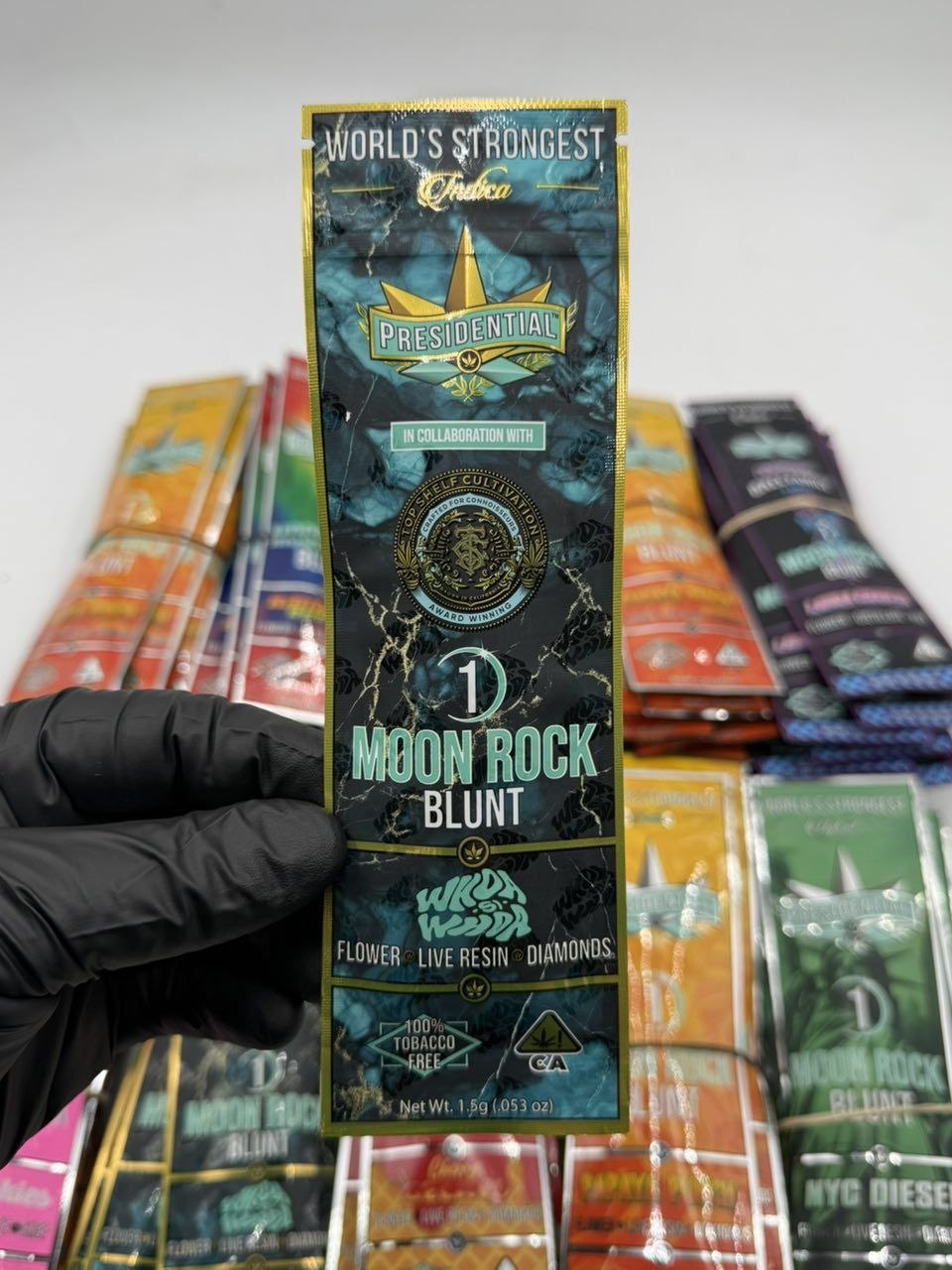
The name presidential moonrock blunt 1.5g appears to describe a cannabis product containing approximately 1.5 grams of material and marketed using the term “moonrock.” However, a product name by itself does not establish the precise ingredients, cannabinoid concentration, manufacturing standards, or laboratory results associated with a particular item.
The term moonrock is commonly used in cannabis markets for products in which cannabis flower is combined with a concentrated cannabis extract and, in many formulations, coated with kief or another concentrated cannabis material. Because commercial formulations vary, the terminology should not automatically be treated as a standardized technical specification.
Therefore, this overview treats the product name as a description to be interpreted rather than as proof of a particular formulation.
Cannabis contains numerous cannabinoids, including delta-9-tetrahydrocannabinol (THC), which is psychoactive and can impair perception, coordination, memory, and judgment. Cannabidiol (CBD) is another well-known cannabinoid, but it does not produce the same intoxicating effects as THC.
Consequently, products containing concentrated cannabis material may produce stronger or less predictable effects than ordinary cannabis flower, particularly when their cannabinoid content has not been independently verified.
Understanding the “Moonrock” Description
“Moonrock” is primarily a market term rather than a single standardized cannabis formulation.
Generally, the concept involves cannabis flower combined with a concentrated cannabis component and a layer of kief or another cannabinoid-rich material. As a result, a moonrock-style product can contain considerably more concentrated material than ordinary dried flower.
Nevertheless, formulations differ substantially between manufacturers and markets. One product described as a moonrock may contain different extracts, cannabinoid ratios, terpenes, or amounts of concentrated material from another product carrying the same general description.
For that reason, consumers should distinguish between the marketing name and the verified composition.
A laboratory certificate can provide much more useful information than a product title. Depending on the jurisdiction and testing program, laboratory analysis may identify cannabinoids, potency, microbial contamination, pesticides, heavy metals, residual solvents, and other characteristics.
Without such information, the advertised description should be regarded as a claim rather than an independently established fact.
What Does “1.5G” Mean?
The “1.5G” designation generally indicates that the product is advertised as containing approximately 1.5 grams of material.
However, weight and potency are not the same measurement.
A 1.5-gram product could contain a substantially different amount of THC depending on its formulation. For example, two products with identical total weights could have very different cannabinoid concentrations.
Therefore, the weight alone cannot be used to determine the strength of the product or the amount of THC that a person might absorb.
This distinction is particularly important with concentrated cannabis products. The CDC notes that the effects of marijuana can vary according to factors including the amount used, frequency of use, previous experience, biological characteristics, and the presence of other substances.
THC and Its Effects
THC is the principal psychoactive cannabinoid associated with the cannabis “high.”
When THC enters the body, it interacts with cannabinoid receptors involved in several physiological and neurological processes. Consequently, cannabis can alter mood, sensory perception, attention, memory, coordination, and reaction time.
Some people report relaxation or euphoria. Others may experience altered perception of time, increased appetite, drowsiness, anxiety, impaired concentration, or temporary confusion.
The response is not identical for everyone.
Furthermore, higher-THC products can produce more pronounced impairment. The CDC has noted that cannabis can affect coordination, decision-making, memory, and perception, all of which are important for activities requiring attention and rapid responses.
Why Concentrated Cannabis Products Require Particular Caution
A moonrock-style formulation may combine several forms of cannabis material within one product.
As a result, its cannabinoid profile can differ significantly from that of ordinary flower.
Concentrates may also introduce additional ingredients or contaminants depending on how they were produced. The CDC has specifically warned that highly concentrated cannabis products can contain additives or contaminants, particularly when products are manufactured outside reliable regulatory systems.
Therefore, the phrase “premium,” “infused,” or “moonrock” should not automatically be interpreted as evidence of superior quality.
Quality is better assessed through transparent manufacturing information and appropriate independent testing.
Appearance and Texture
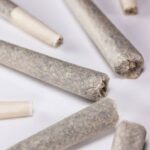
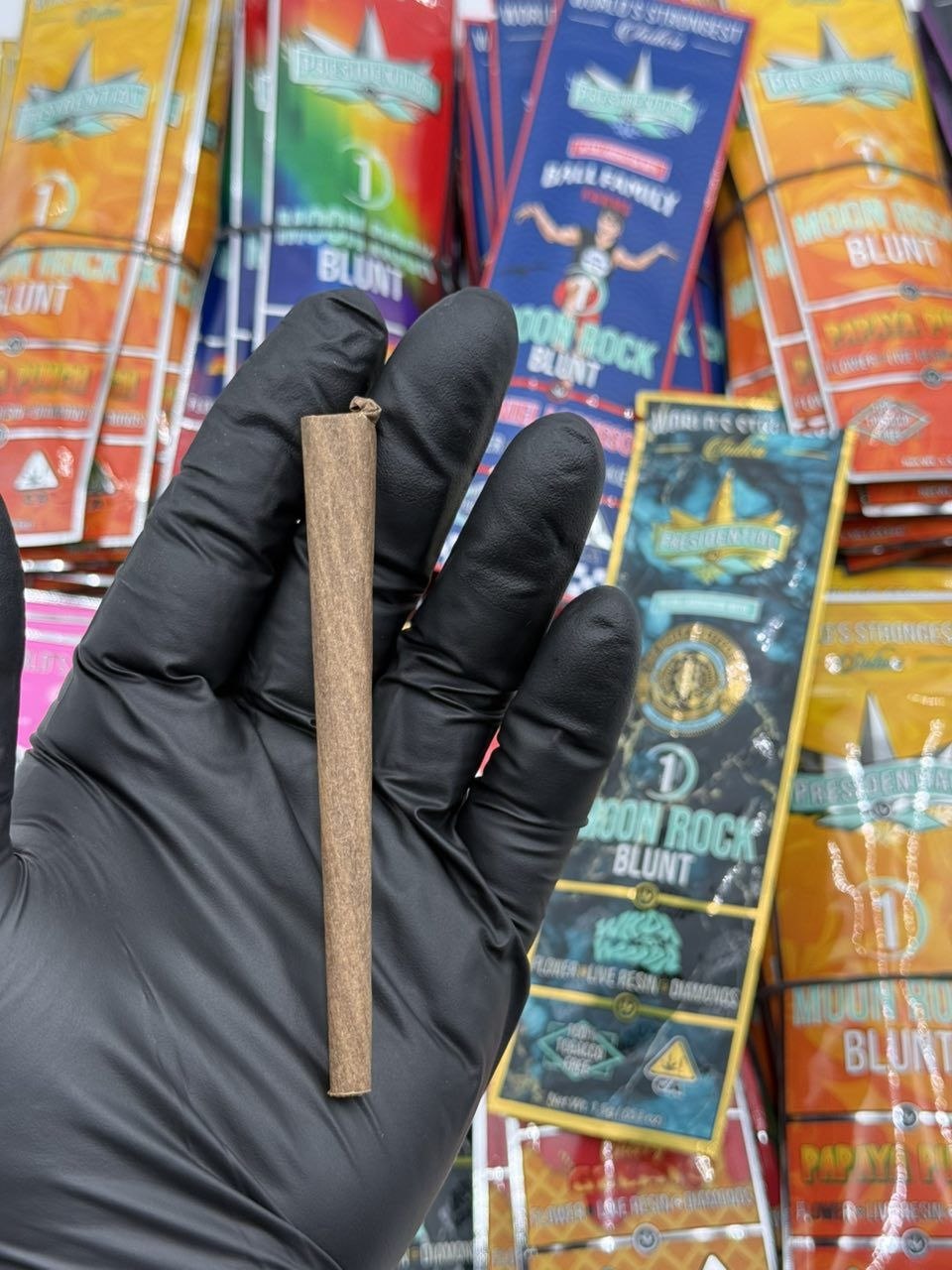
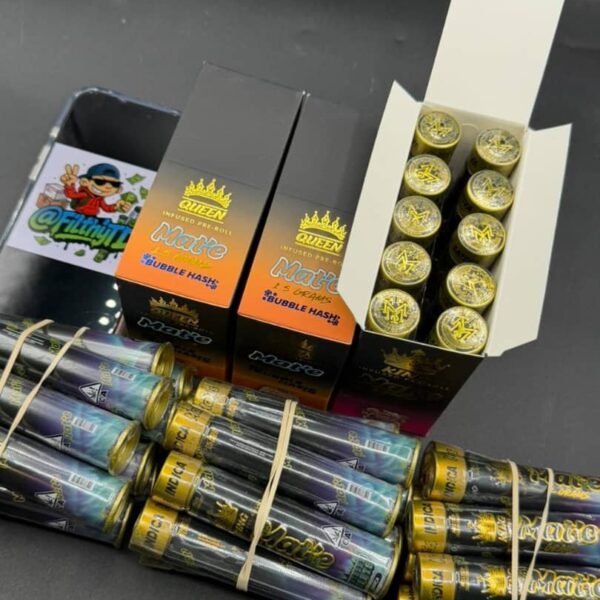
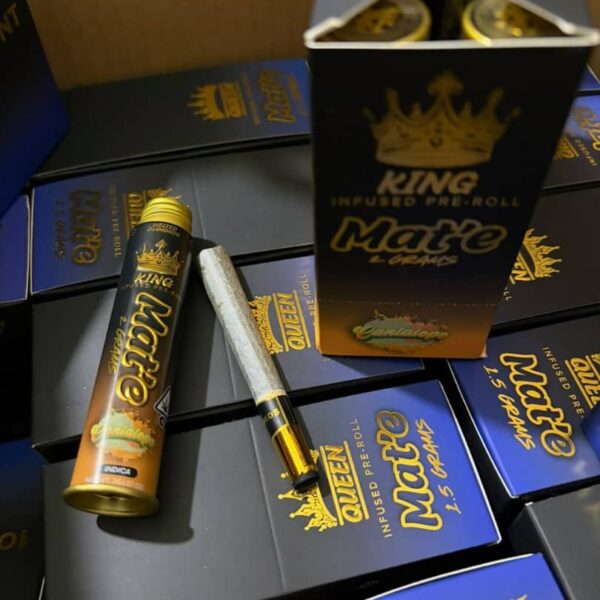
Moonrock-style cannabis products can have a distinctive appearance because multiple layers of cannabis material may be present.
The flower may appear darker or more heavily coated than ordinary dried cannabis. Concentrated material can create a sticky or resinous texture, while kief can produce a visibly powdery or crystalline exterior.
However, appearance is not a reliable method of determining cannabinoid concentration.
A product can look highly concentrated while containing a different cannabinoid profile than expected. Conversely, a product with an ordinary appearance may still contain substantial THC.
Consequently, visual inspection should never replace laboratory information.
Aroma and Terpenes
Cannabis contains aromatic compounds known as terpenes.
These compounds contribute to the smell and flavor associated with different cannabis varieties. Common cannabis-associated terpenes include myrcene, limonene, pinene, and caryophyllene.
Terpenes are not the same thing as THC or CBD. They do not determine cannabinoid potency by themselves.
Furthermore, aroma cannot reliably establish whether a product is authentic, potent, or free from contaminants.
A strong smell may indicate the presence of aromatic compounds, but it does not constitute a laboratory analysis.
Potential Subjective Effects
Cannabis effects can vary considerably between individuals.
Depending on the cannabinoid concentration and personal circumstances, someone may experience:
- Euphoria
- Relaxation
- Altered sensory perception
- Increased appetite
- Drowsiness
- Changes in the perception of time
- Reduced concentration
- Impaired short-term memory
- Slower reaction time
- Anxiety or nervousness
Higher-THC products may increase the likelihood of unwanted psychological effects in some people.
Additionally, combining cannabis with alcohol or other psychoactive substances can increase impairment and other risks. The CDC specifically identifies combining marijuana with other substances as a factor that can increase the risk of harm.
Cognitive Effects
THC can affect cognitive processes involved in attention, memory, judgment, and decision-making.
These effects matter because impairment may not always feel as severe as it objectively is.
Someone may believe that they are functioning normally while their reaction time or coordination has already been affected.
Therefore, cannabis impairment should be taken seriously, particularly when a person might otherwise drive, operate machinery, work at height, or perform another activity requiring reliable judgment.
The CDC states that marijuana can slow reaction time and decision-making, impair coordination, and distort perception.
Cannabis and Driving
Driving after consuming THC presents a significant safety concern.
Driving requires continuous attention, coordination, accurate perception, and rapid decision-making. THC can interfere with these abilities.
Moreover, determining impairment from a person’s THC concentration alone is difficult because individuals can respond differently, and blood THC levels do not provide a simple one-to-one measure of driving impairment.
Accordingly, someone who has consumed a THC-containing product should not assume that feeling capable of driving means that their driving ability is unaffected.
Cannabis-related impairment can increase crash risk, particularly when cannabis is combined with alcohol or other intoxicating substances.
Potential Mental Health Effects
Cannabis affects the brain, and its psychological effects can range from mild relaxation to significant distress.
Some people may experience anxiety, paranoia, confusion, or unpleasant changes in perception, particularly after consuming products with substantial THC concentrations.
Longer-term or frequent cannabis use has also been associated with mental-health concerns in public-health research. The CDC has identified associations involving anxiety, depression, psychosis, and cannabis use disorder, while also emphasizing that the relationships are complex and require continued research.
Therefore, a product description should not make unsupported claims that cannabis is universally calming, therapeutic, or psychologically beneficial.
Respiratory Considerations
A blunt involves inhalation of combusted cannabis material.
Smoking cannabis exposes the respiratory system to smoke and its associated chemical compounds. The CDC has reported respiratory concerns associated with regular cannabis smoking, including cough and bronchitis-related symptoms.
The presence of concentrated cannabis material does not eliminate the respiratory consequences associated with combustion.
Additionally, the wrapper or other materials used in a blunt can introduce their own combustion products depending on the product design.
Therefore, “natural” or “plant-based” should not be interpreted as meaning that inhaling smoke is harmless.
Product Testing and Contaminants
Testing is one of the most important distinctions between regulated and unregulated cannabis products.
A properly documented laboratory report can provide information about cannabinoid concentrations and potential contaminants.
Potential contaminants in cannabis can include pesticides, microbial organisms, heavy metals, and residual chemicals from processing.
The CDC has documented concerns about fungal contamination of cannabis and has reported that cannabis can contain fungal pathogens capable of causing serious infections, particularly in people with weakened immune systems.
Therefore, a product should not be considered safe merely because it has an attractive appearance or professional-looking packaging.
Packaging and Labeling
Reliable labeling can help consumers understand what a cannabis product contains.
Depending on the jurisdiction, regulated packaging may identify cannabinoid concentrations, total product weight, batch information, laboratory testing, ingredients, warnings, and manufacturer information.
By contrast, incomplete labeling creates uncertainty.
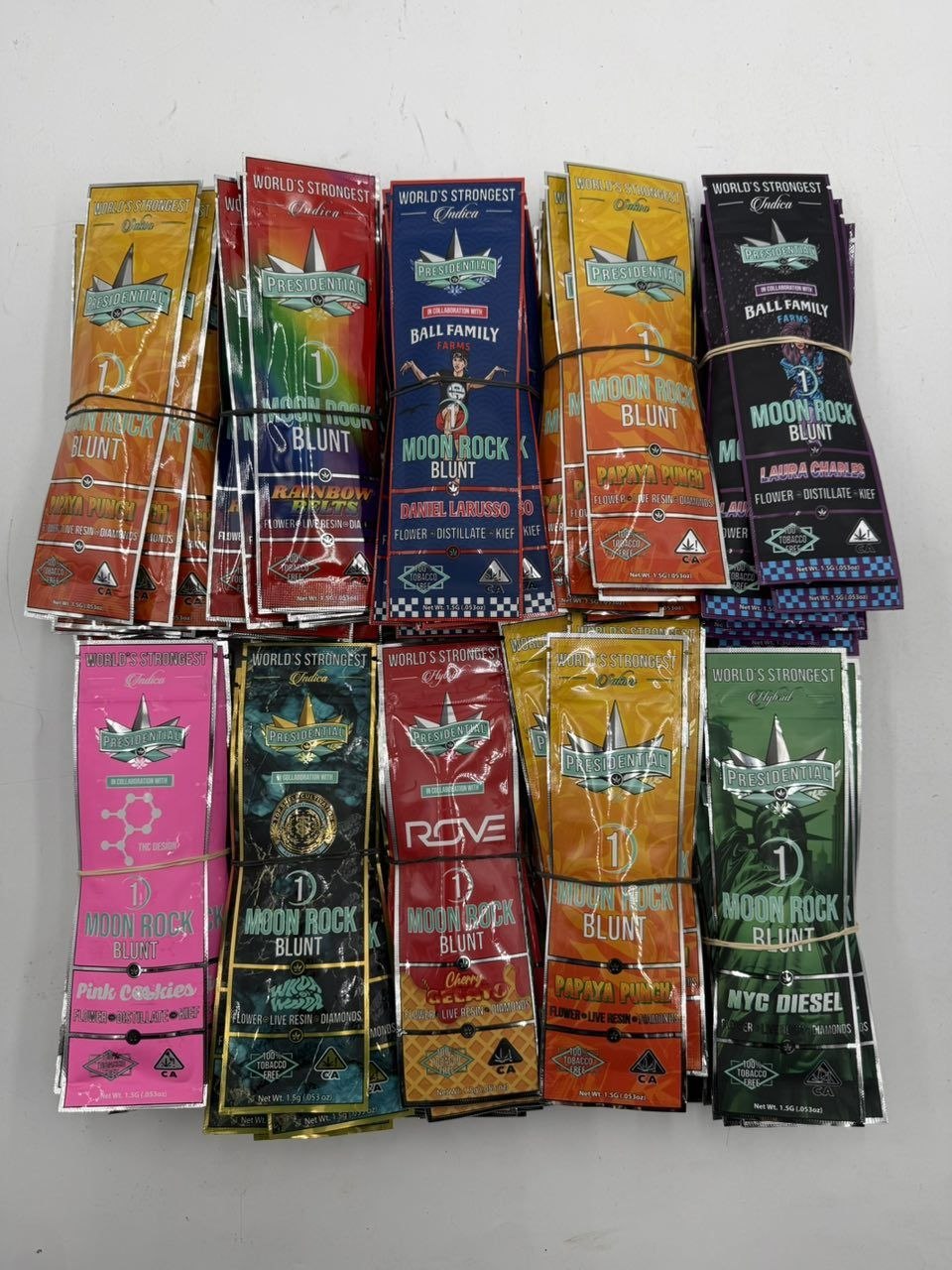
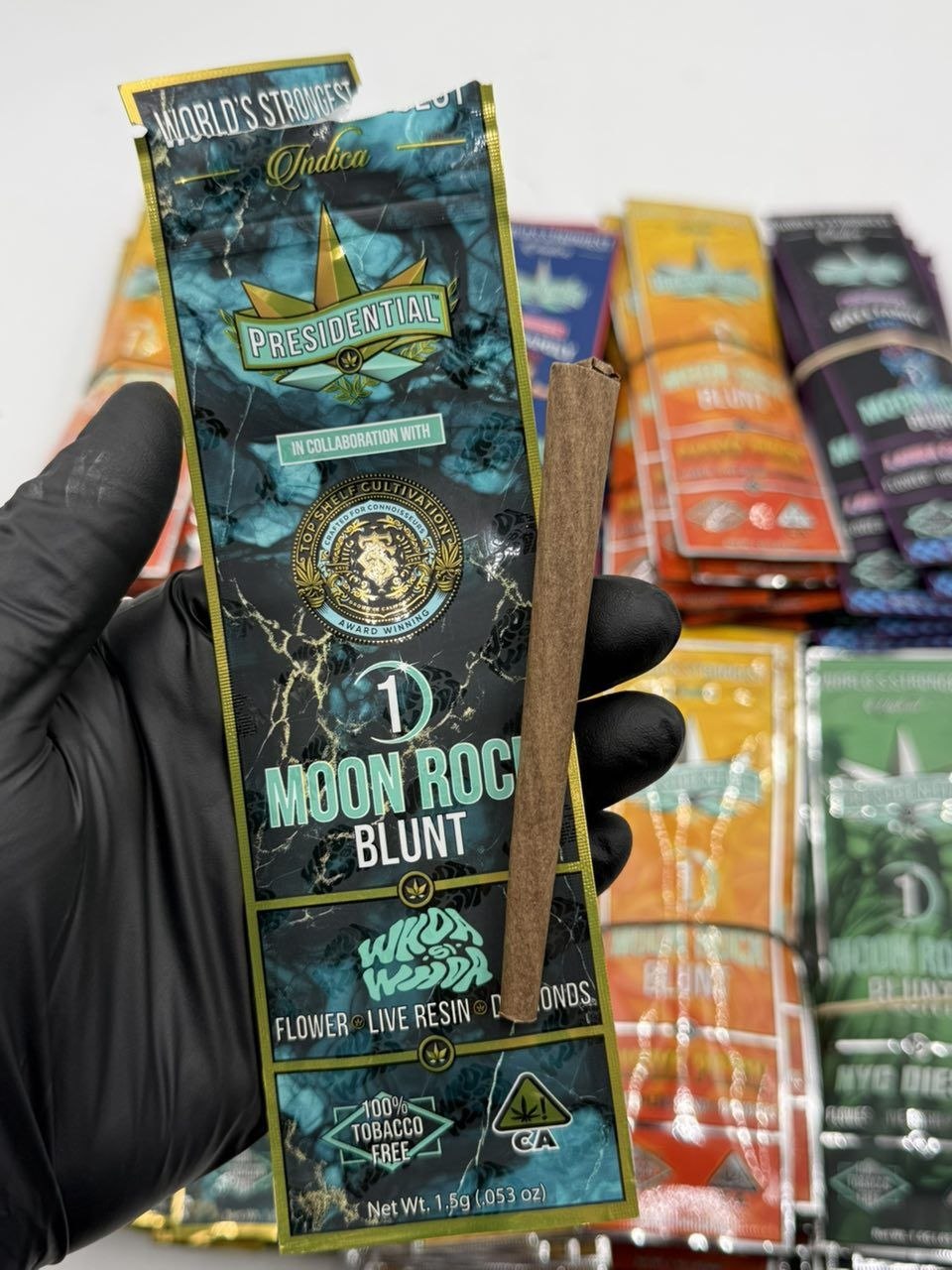
A product that simply states “1.5G” does not necessarily provide enough information to determine its THC content.
Similarly, branding terms such as “Presidential” do not establish potency, purity, origin, or quality.
The CDC has previously warned that inadequate labeling and differences in product content and manufacturing practices can contribute to unexpected effects.
Storage and Product Integrity
Cannabis products can change over time.
Exposure to excessive heat, light, oxygen, or moisture can influence the stability of cannabis compounds and the physical condition of the product.
However, storage advice should not be treated as a guarantee of safety. Proper storage cannot correct contamination that was already present during manufacturing.
Likewise, attractive packaging cannot demonstrate that a product was manufactured under appropriate quality-control conditions.
Therefore, product integrity begins with responsible manufacturing and testing rather than with storage alone.
Cannabis and Pregnancy
Cannabis use during pregnancy presents additional concerns.
The CDC states that THC can pass from a pregnant person to the developing fetus and recommends against marijuana use during pregnancy. Research has also raised concerns about possible effects on fetal development and birth outcomes.
For this reason, cannabis products should not be presented as appropriate for pregnancy.
Breastfeeding also raises questions about cannabinoid exposure, so people in these circumstances should obtain advice from an appropriate healthcare professional.
Adolescents and Developing Brains
Age is another important consideration.
The brain continues developing throughout adolescence and into early adulthood. Public-health research has raised concerns about cannabis exposure during this developmental period.
The CDC identifies adolescents as particularly susceptible to some adverse effects associated with marijuana use.
Consequently, cannabis products should not be marketed toward minors or presented as appropriate for young people.
Responsible educational material should also avoid imagery, language, or branding intended to make intoxicating products particularly attractive to children.
Cannabis Use Disorder
Cannabis can become problematic for some users.
Cannabis use disorder involves continued cannabis use despite significant problems or impairment associated with that use.
Warning signs can include difficulty reducing consumption, spending substantial time obtaining or using cannabis, continued use despite negative consequences, or giving up important activities because of cannabis.
The existence of cannabis use disorder demonstrates why the phrase “not physically addictive” should not be used as a blanket statement that cannabis cannot lead to problematic use.
Dependence and addiction are complex phenomena, and different people experience cannabis differently.
Combining Cannabis With Other Substances
Combining cannabis with alcohol or other drugs can make effects less predictable.
Alcohol can increase impairment, while other psychoactive substances may introduce additional cardiovascular, neurological, or psychological risks.
Prescription medications can also interact with cannabinoids through pharmacological or metabolic mechanisms.
Therefore, anyone taking prescription medication should discuss cannabis use with a qualified healthcare professional rather than assuming that an interaction cannot occur.
Recognizing an Adverse Reaction
Most cannabis experiences do not constitute medical emergencies, but severe reactions can occur.
Urgent medical assistance should be considered when someone develops serious symptoms such as: presidential moonrock blunt 1.5g presidential moonrock blunt 1.5g presidential moonrock blunt 1.5g presidential moonrock blunt 1.5g presidential moonrock blunt 1.5g presidential moonrock blunt 1.5g presidential moonrock blunt 1.5g.
- Difficulty breathing
- Loss of consciousness
- Seizures
- Severe chest pain
- Extreme confusion
- Severe or uncontrollable agitation
- Serious injury
- Persistent vomiting or other severe symptoms
- Symptoms suggesting a dangerous interaction with another substance
In such circumstances, professional medical assistance should take priority over attempts to manage the situation through online information.
Healthcare professionals should also receive accurate information about substances that may have been consumed. This information can help clinicians make appropriate decisions.
Understanding the “Presidential” Name
The word “Presidential” appears to be branding rather than a scientific description.
It does not independently establish a cannabis strain, cannabinoid profile, potency, or manufacturing standard.
Likewise, “moonrock” is a descriptive market term rather than a universal laboratory specification.
Consequently, a scientifically responsible description should avoid translating branding into unsupported claims.
A better approach is to identify what can actually be established: the advertised product format, stated weight, cannabinoid information when available, ingredient information, and laboratory evidence.
Understanding the Product as a Whole
When considering a product identified as Presidential Moonrock Blunt 1.5G, several separate characteristics should be considered.
First, the product is apparently presented as a blunt-style cannabis item.
Second, the “moonrock” terminology suggests a formulation involving concentrated cannabis material, although the exact recipe cannot be established from the name alone.
Third, the “1.5G” designation appears to indicate the advertised total weight.
Finally, none of those terms independently confirms the actual THC concentration or purity.
This distinction between description and verification is essential.
A product can be described in attractive terms while still requiring independent laboratory evidence before its chemical composition can be confidently characterized.
Legal Considerations
Cannabis laws differ substantially between countries and jurisdictions.
Some locations permit adult-use cannabis under defined regulations. Others allow cannabis only for specific medical purposes. In other jurisdictions, possession or distribution remains prohibited.
Additionally, rules can differ between cannabis flower, concentrates, infused products, and products containing particular cannabinoids.
Therefore, the existence of a product listing does not establish that the product is legal to purchase, possess, transport, or use in a particular location.
Consumers should consult current official laws and regulations applicable to their jurisdiction rather than relying on product descriptions or social-media claims.
Responsible Interpretation of Marketing Claims
Words such as “premium,” “exclusive,” “luxury,” “presidential,” and “top-shelf” are marketing language.
They can communicate a brand’s desired image, but they do not constitute scientific measurements.
A more meaningful assessment would consider: presidential moonrock blunt 1.5g presidential moonrock blunt 1.5g presidential moonrock blunt 1.5g presidential moonrock blunt 1.5g presidential moonrock blunt 1.5g presidential moonrock blunt 1.5g presidential moonrock blunt 1.5g presidential moonrock blunt 1.5g presidential moonrock blunt 1.5g presidential moonrock blunt 1.5g presidential moonrock blunt 1.5g.
- Verified cannabinoid content
- Independent laboratory testing
- Ingredient transparency
- Batch identification
- Manufacturing information
- Appropriate regulatory compliance
- Clear health warnings
- Accurate labeling
These factors provide considerably more information than branding alone.
Why Potency Information Matters
Cannabis products can vary substantially in THC concentration.
This matters because THC is the principal intoxicating cannabinoid, and greater concentrations can produce more pronounced impairment in some people.
The CDC has noted that high-THC products are increasingly available and has highlighted concerns about potential health effects associated with high concentrations.
Therefore, total product weight should never be confused with total THC content.
For example, a 1.5-gram product and another 1.5-gram product can have very different cannabinoid profiles.
The number printed next to the “G” therefore answers a question about weight, not necessarily potency.
Quality Versus Appearance
A product’s appearance can be appealing without providing meaningful information about its chemical quality.
Dense coating, visible resin, strong aroma, or elaborate packaging may contribute to a particular visual identity. Nevertheless, none of these characteristics establishes the absence of contaminants.
Laboratory testing remains the more reliable way to evaluate composition.
Furthermore, regulated products may carry testing information that allows consumers to examine cannabinoid levels and other analytical results.
When that information is absent, uncertainty remains.
A Balanced Perspective
Cannabis has a long history of human use, and modern research continues to investigate cannabinoids for medical and scientific purposes.
At the same time, cannabis is not risk-free.
THC can impair cognition and coordination. Cannabis smoke can affect respiratory health. High-THC products can produce intense psychoactive effects, and some users can develop problematic patterns of consumption.
Consequently, neither extreme—describing cannabis as universally harmless or universally dangerous—provides a particularly useful picture.
A balanced perspective recognizes both the potential effects and the potential risks.
Conclusion
The name Presidential Moonrock Blunt 1.5G appears to describe a 1.5-gram cannabis product using the “moonrock” style of presentation. However, the name alone cannot establish its exact ingredients, THC concentration, purity, or safety.
The term “moonrock” generally refers to cannabis flower combined with concentrated cannabis material and, in many formulations, kief or similar material. Nevertheless, commercial definitions vary, so independent laboratory results remain important.
THC can affect perception, memory, coordination, reaction time, and judgment. Consequently, cannabis consumption can interfere with activities such as driving and operating machinery.
In addition, concentrated cannabis products may present greater uncertainty when their contents or manufacturing processes have not been independently verified. Contaminants, inaccurate labeling, and inconsistent cannabinoid concentrations can all affect the risk profile of a product.
The most responsible interpretation of a product such as Presidential Moonrock Blunt 1.5G is therefore factual rather than promotional. Its advertised weight is not equivalent to its THC content, its branding is not evidence of quality, and its appearance cannot substitute for laboratory testing.
Ultimately, understanding the distinction between branding, product weight, cannabinoid concentration, and independently verified composition provides a clearer picture of what a cannabis product actually represents. A well-informed assessment should consider the available laboratory evidence, applicable laws, potential impairment, individual health circumstances, and the risks associated with cannabis use.











Reviews
There are no reviews yet.