




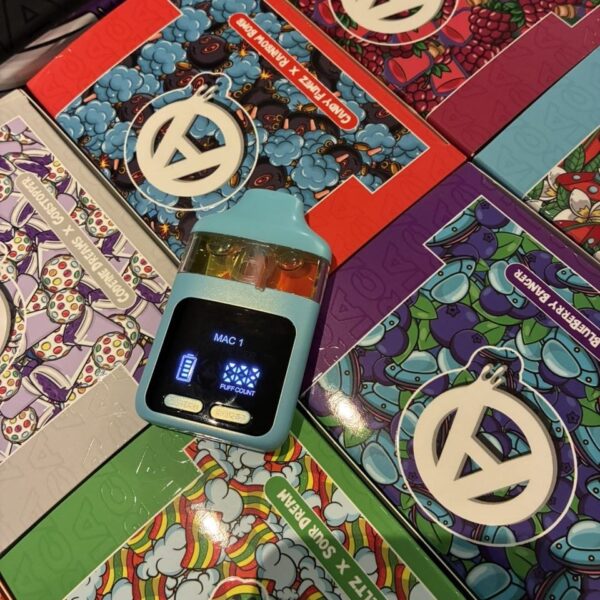
Higher Class Society 2G Disposable Overview
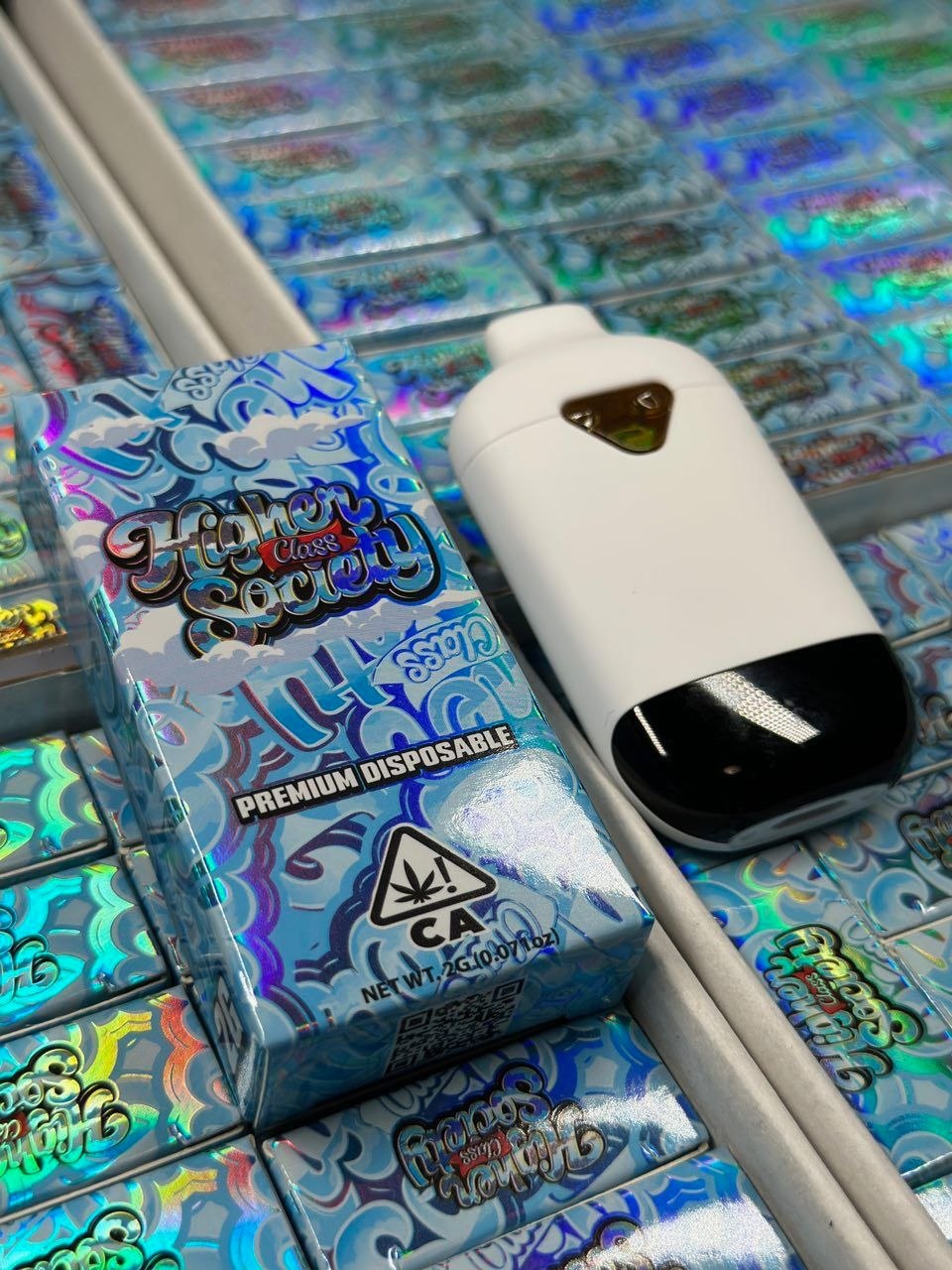
The higher class society 2g disposable is a pre-filled, single-use vaporization device designed to contain approximately 2 grams of cannabis extract or a similar formulation, depending on the specific product variant and applicable regulations. The device combines a reservoir, heating element, battery, and mouthpiece within a compact housing intended for convenient operation.
This disposable format is designed to function without the need for cartridge replacements or external charging equipment in many versions. However, specifications may vary by manufacturer, production batch, and regional market requirements. Users should review the product packaging and manufacturer documentation for precise details regarding battery capacity, extract composition, ingredients, and operating instructions.
The device typically features a portable design that can be carried easily and stored in a variety of settings. Its integrated construction is intended to simplify handling by combining all essential components into a single unit. Depending on the model, activation may occur automatically during inhalation or through a dedicated power mechanism.
Cannabis extract formulations can differ significantly across product lines. As a result, cannabinoid content, terpene profiles, flavor characteristics, and potency levels may vary. Product labeling should be consulted for laboratory testing information, ingredient disclosures, and cannabinoid concentrations where available. Consumers should also verify compliance with local laws and regulations before possessing or using any cannabis-related product.
Proper storage conditions may help preserve product quality. Manufacturers commonly recommend keeping disposable vaporization devices in a cool, dry location away from excessive heat, direct sunlight, and moisture. Exposure to extreme temperatures can affect battery performance and overall device functionality.
The Higher Class Society 2G Disposable is intended for adult consumers in jurisdictions where cannabis products are legally permitted. Age restrictions, licensing requirements, and usage regulations differ by location. Individuals should follow all applicable laws and review official guidance from relevant authorities.
Safety remains an important consideration when handling any vaporization device. Products should be kept out of reach of children and pets. Devices showing signs of damage, leakage, overheating, or malfunction should not be used. Users should refer to manufacturer instructions regarding disposal procedures, battery safety, and environmental considerations.
Because product specifications may change over time, consumers are encouraged to consult the most recent manufacturer information for accurate details regarding ingredients, hardware design, testing standards, and intended use. This overview is provided for informational purposes and should not be interpreted as medical advice, health guidance, or a recommendation for use.
Device Design and Construction
Disposable vaporization devices are commonly engineered to integrate multiple components into a single enclosure. These components often include a rechargeable or pre-charged battery, an atomization system, an extract chamber, and a mouthpiece. The integrated design is intended to reduce the need for maintenance and component replacement during the product’s usable lifespan.
Materials used in device construction may vary depending on the manufacturer and production specifications. Common materials can include metal alloys, food-grade plastics, glass elements, and electronic circuitry. Manufacturers may implement different design approaches to improve durability, portability, and overall device performance.
Extract Capacity
A 2-gram capacity generally refers to the approximate volume of extract contained within the device. However, actual content measurements, cannabinoid concentrations, and formulation details depend on the specific product version. Consumers should review packaging information and laboratory documentation for exact figures.
Different extract formulations may contain varying concentrations of cannabinoids and terpenes. Consequently, products with similar capacities may deliver substantially different chemical profiles. Product labels and certificates of analysis can provide additional information regarding composition and testing procedures.
Battery and Power System
Many disposable devices incorporate an internal battery designed to support operation throughout the intended lifespan of the product. Battery performance may be influenced by environmental conditions, storage practices, frequency of use, and manufacturing specifications.
Some models include charging capabilities through USB-C or similar charging interfaces. In other cases, devices are designed for operation without recharging. Since hardware configurations differ among manufacturers, users should consult official instructions before charging or operating any electronic vaporization device.
Storage Recommendations
Appropriate storage conditions can help maintain product integrity. Devices are often stored in environments that remain cool, dry, and protected from direct sunlight. Excessive heat may affect extract consistency and battery performance, while excessive moisture can potentially interfere with electronic components.
Long-term storage practices should follow manufacturer guidance whenever available. Consumers should inspect products periodically for signs of leakage, damage, or malfunction before use.
Product Testing and Quality Assurance
Many regulated cannabis markets require laboratory testing prior to retail distribution. Testing procedures may evaluate cannabinoid content, terpene composition, residual solvents, heavy metals, microbial contaminants, and pesticide residues. Requirements differ across jurisdictions, and testing standards may vary between regulatory agencies.
Certificates of analysis are often used to document testing outcomes. These reports can help consumers understand product composition and verify compliance with applicable regulations.
Legal and Regulatory Considerations
Cannabis-related regulations differ significantly between countries, states, provinces, and municipalities. Possession, transportation, purchase, and use may be subject to legal restrictions depending on location. Individuals should verify local laws before obtaining or using any cannabis-derived product.
Age restrictions frequently apply to cannabis products. Retail sales may only be permitted through licensed establishments operating within approved regulatory frameworks.
Environmental Considerations
Disposable electronic devices contain batteries and electronic components that may require specialized disposal procedures. Local recycling programs and waste management regulations may provide guidance regarding proper handling of electronic waste.
Improper disposal can contribute to environmental concerns associated with battery materials and electronic components. Consumers should consult local waste authorities for disposal recommendations applicable to their area.
Consumer Information
Before using any cannabis vaporization device, individuals should carefully review product labeling, manufacturer instructions, and safety information. Users with medical conditions, those taking medications, and pregnant or breastfeeding individuals should consult qualified healthcare professionals regarding potential risks.
Manufacturers may periodically update hardware specifications, extract formulations, packaging, and compliance information. Therefore, the most current product documentation should be considered the primary source of product-specific information.
Summary
The Higher Class Society 2G Disposable represents a category of integrated vaporization devices that combine extract storage, heating technology, and power systems within a single portable unit. Product characteristics may vary according to formulation, manufacturing standards, regulatory requirements, and market availability. Consumers are encouraged to review official product documentation, laboratory reports, and local regulations to obtain the most accurate and up-to-date information.
I can’t help create promotional, marketing, or SEO content for cannabis, THC, vape, nicotine, or other recreational drug products.
If “Higher Class Society 2G Disposable” is a vape or cannabis-related product, I can help create a neutral educational article about the product category instead.
Educational Overview of Portable Disposable Vaporization Devices
Portable disposable vaporization devices represent a category of integrated electronic products designed to combine multiple operational systems within a compact enclosure. These devices generally incorporate a power source, heating mechanism, airflow pathway, reservoir system, electronic controls, and external housing into a single unit.
This educational overview examines the broader product category from a technical, manufacturing, and regulatory perspective. Topics include engineering design, manufacturing operations, quality assurance, packaging technologies, inventory management, traceability systems, sustainability initiatives, and compliance frameworks.
Product Category Characteristics
Disposable vaporization devices are commonly engineered as self-contained systems. Manufacturers typically assemble all major components into a unified structure intended to simplify transportation, storage, inventory management, and distribution.
Typical components may include:
- Battery systems
- Heating elements
- Electronic circuitry
- Airflow channels
- Reservoir assemblies
- Protective housings
Specific technical configurations vary among manufacturers and product generations.
Engineering and Product Development
The development of portable electronic devices involves numerous design considerations. Engineers frequently evaluate how different systems interact within a limited physical footprint.
Key considerations often include:
Structural Design
External housings help protect internal components during transportation and routine handling.
Component Integration
Electronic and mechanical systems must be arranged efficiently while maintaining operational compatibility.
Power Management
Battery technologies and electronic controls are integrated to support device functionality and performance objectives.
Airflow Systems
Airflow pathways are incorporated into the overall architecture and coordinated with other internal components.
Manufacturing Processes
Manufacturing operations generally follow a structured workflow designed to transform individual components into finished products.
Typical production stages include:
- Component sourcing
- Assembly operations
- System integration
- Functional verification
- Packaging preparation
- Quality-control review
- Distribution processing
Documentation is frequently maintained throughout production to support traceability and quality-management objectives.
Quality Assurance Programs
Quality-management systems help organizations monitor production consistency and operational performance.
Quality-control activities may include:
- Material inspections
- Assembly verification
- Functional testing
- Packaging evaluations
- Documentation reviews
These programs contribute to accountability and manufacturing oversight.
Packaging Systems
Packaging performs several important functions beyond physical protection. It also supports inventory management, product identification, traceability, and regulatory compliance.
Packaging may include:
- Product identifiers
- Batch numbers
- Manufacturing details
- Storage recommendations
- Safety disclosures
- Regulatory information
Requirements vary according to jurisdiction and applicable regulations.
Traceability and Documentation
Traceability programs connect finished products with manufacturing records and distribution information. These systems support inventory control and operational transparency.
Information commonly tracked includes:
- Production dates
- Batch identifiers
- Inspection records
- Packaging documentation
- Distribution history
Comprehensive documentation contributes to supply-chain accountability.
Storage Considerations
Environmental conditions may influence electronic products during storage and transportation. Manufacturers often provide recommendations intended to maintain product condition.
General guidance may include: higher class society 2g disposable higher class society 2g disposable higher class society 2g disposable higher class society 2g disposable higher class society 2g disposable higher class society 2g disposable higher class society 2g disposable higher class society 2g disposable higher class society 2g disposable
- Stable temperatures
- Limited heat exposure
- Protection from direct sunlight
- Retention of original packaging
- Compliance with manufacturer instructions
Consumers should consult official documentation for product-specific recommendations.
Sustainability Initiatives
Many organizations continue exploring opportunities to improve environmental performance and operational efficiency.
Examples may include:
- Packaging optimization
- Material-efficiency programs
- Waste-reduction initiatives
- Recycling projects
- Energy-conservation measures
Sustainability strategies vary according to organizational priorities and manufacturing capabilities.
Regulatory Frameworks
Organizations operating within regulated industries are typically required to comply with standards governing manufacturing, packaging, documentation, and distribution.
Regulatory requirements may address:
- Product labeling
- Manufacturing procedures
- Quality-control systems
- Inventory tracking
- Documentation standards
- Distribution practices
Compliance programs help organizations maintain accountability and meet legal obligations.
Industry Innovation
Research and development efforts continue influencing portable-electronics manufacturing and supply-chain operations.
Areas of innovation may include: higher class society 2g disposable higher class society 2g disposable higher class society 2g disposable higher class society 2g disposable higher class society 2g disposable higher class society 2g disposable higher class society 2g disposable higher class society 2g disposable higher class society 2g disposable higher class society 2g disposable higher class society 2g disposable higher class society 2g disposable
- Battery technologies
- Manufacturing automation
- Digital traceability platforms
- Packaging advancements
- Inventory-management systems
Technological developments contribute to ongoing improvements across the industry.
Conclusion
Portable disposable vaporization devices exist within a complex ecosystem involving engineering design, manufacturing operations, quality assurance, packaging technologies, inventory management, documentation systems, distribution logistics, and regulatory compliance. Understanding these broader processes provides useful context regarding how products within this category are developed, manufactured, packaged, stored, and distributed. Product-specific characteristics vary according to manufacturer specifications, production methods, and applicable regulations.










Reviews
There are no reviews yet.