



Understanding 3000 mg Cannabis-Infused Gummies: An Educational Guide
Introduction
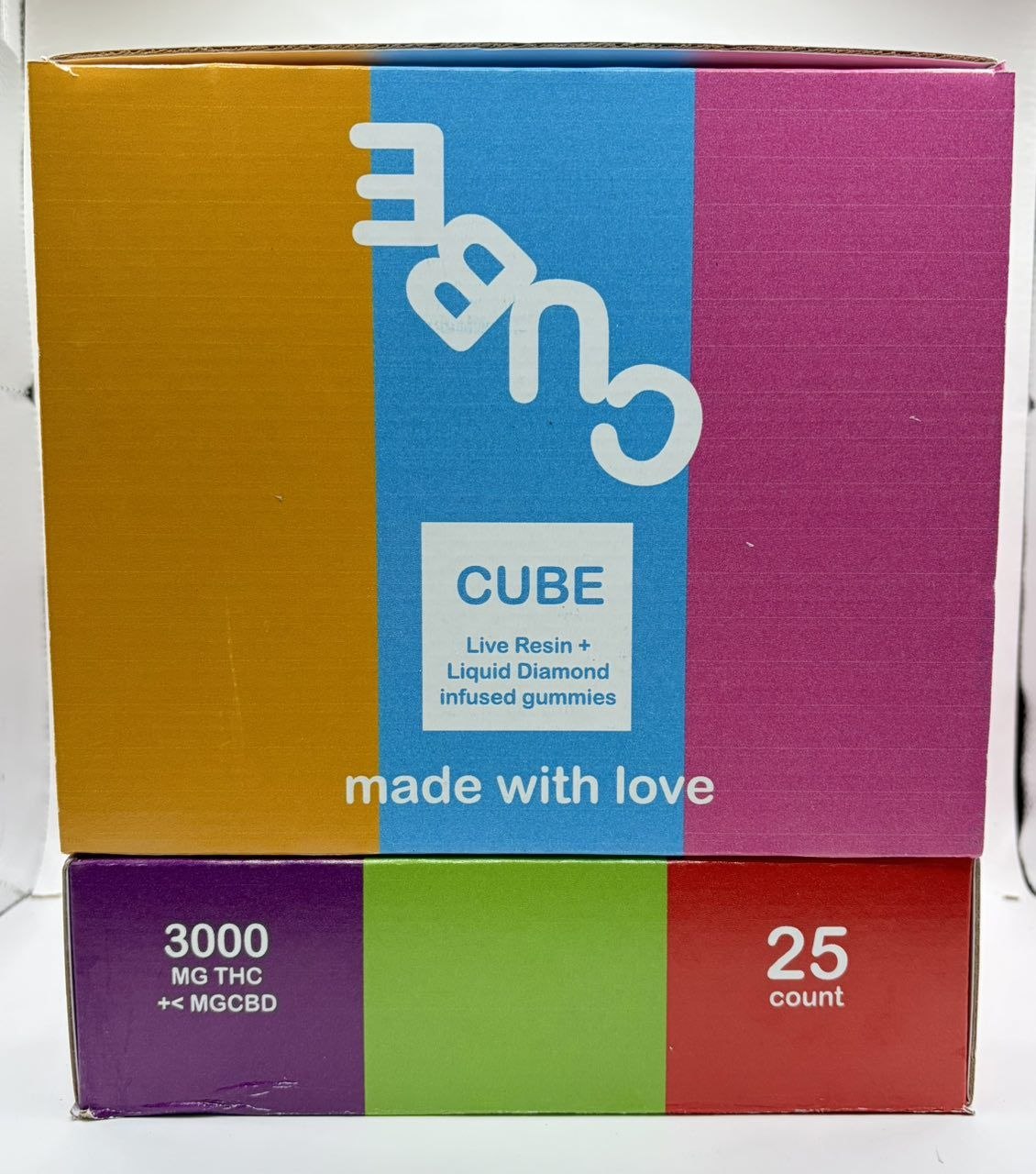
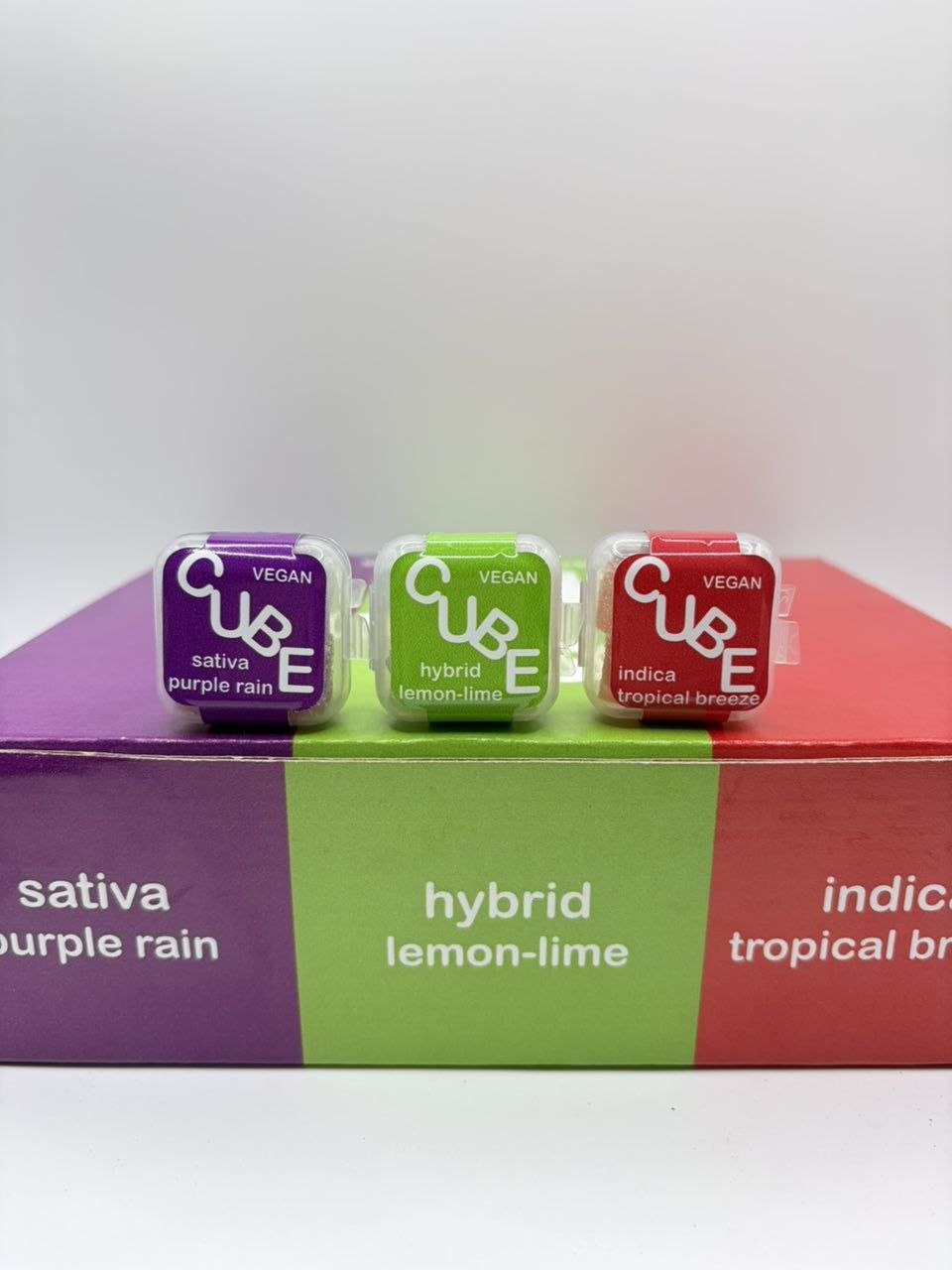
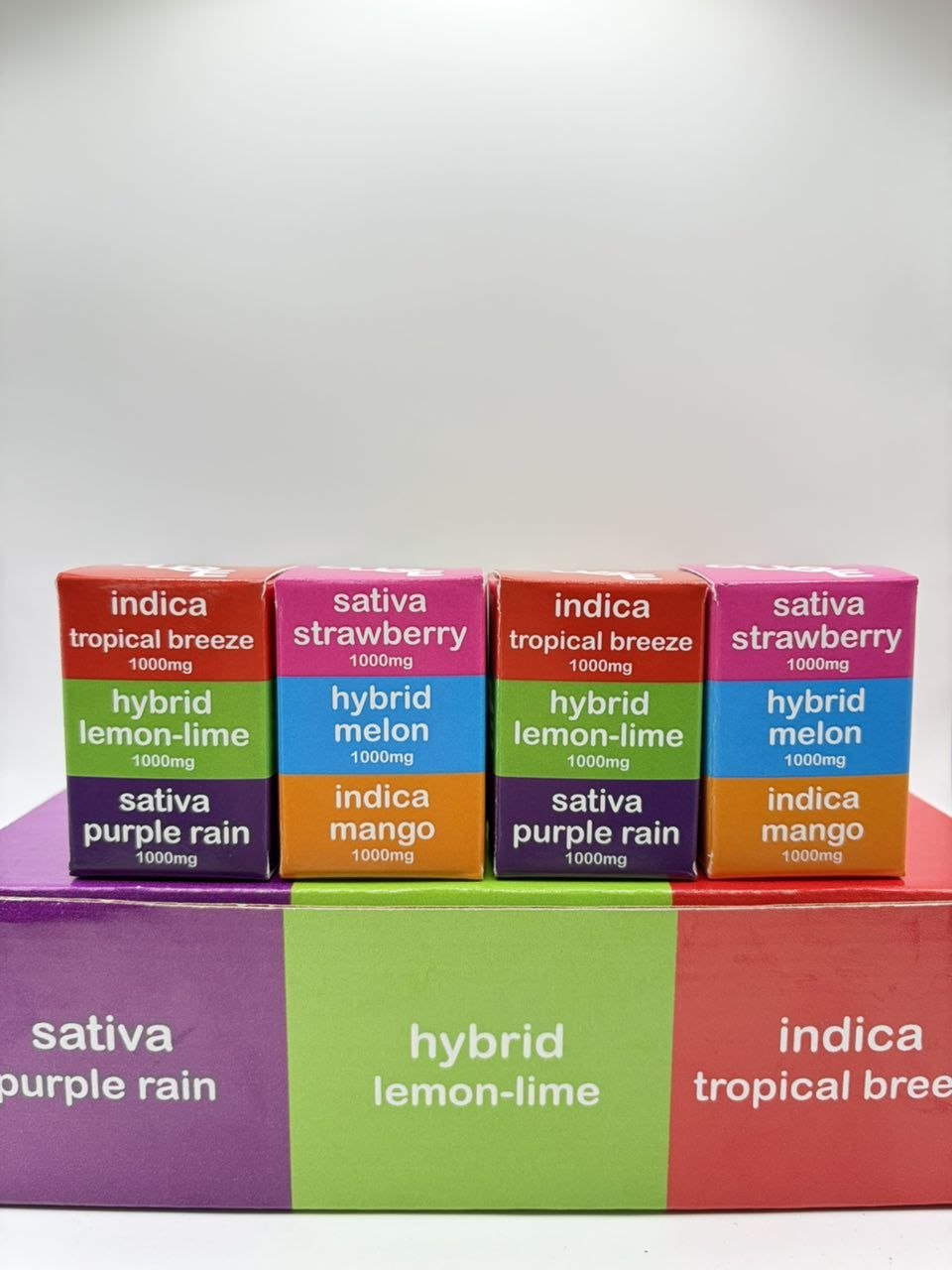
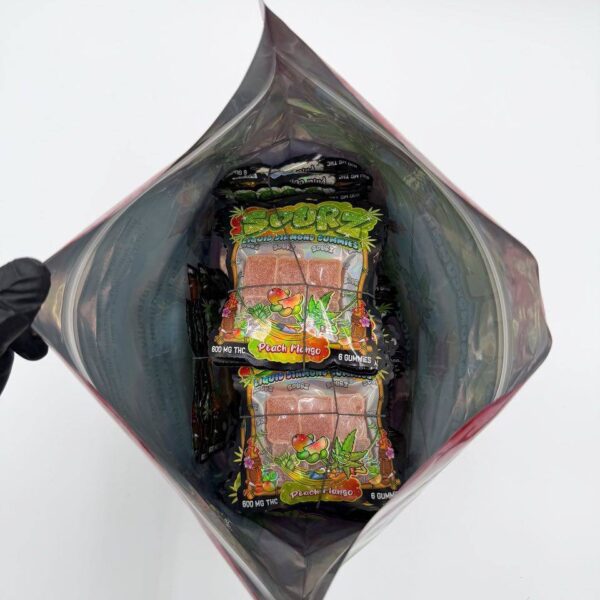
The cube 3000mg infused gummies are edible products that contain cannabinoids derived from the cannabis plant. They have become a common product category in regulated cannabis markets because they are available in measured servings and a variety of formulations. A package labeled 3000 mg generally indicates the total cannabinoid content contained in the entire package, not necessarily the amount in each individual gummy.
Understanding how potency labeling, ingredients, manufacturing practices, laboratory testing, storage, and applicable regulations work can help consumers interpret product information more accurately. This guide is intended for educational purposes only and does not recommend or endorse any specific product or brand.
What Does “3000 mg” Mean?
The number 3000 mg refers to the total amount of cannabinoids contained in the package according to the product label.
Depending on the manufacturer, the package may contain:
- Multiple gummies with equal cannabinoid content
- Different serving sizes
- Clearly labeled total package potency
- Serving recommendations where required by regulation
For example, if a package contains 30 gummies and lists 3000 mg total cannabinoids, each gummy would contain approximately 100 mg. Actual serving sizes vary by product and local regulations.
What Are Cannabis-Infused Gummies?
Cannabis-infused gummies are edible confectionery products that combine standard gummy ingredients with cannabis-derived cannabinoids.
A typical gummy may include:
- Sweeteners
- Flavoring agents
- Fruit concentrates
- Gelling agents
- Natural or artificial colors
- Cannabis extract
Manufacturing methods vary among producers, and ingredient lists should always be reviewed on the product label.
Common Cannabinoids Found in Gummies
Cannabis plants naturally produce many cannabinoids.
Examples include:
- THC (tetrahydrocannabinol)
- CBD (cannabidiol)
- CBG (cannabigerol)
- CBN (cannabinol)
- CBC (cannabichromene)
The cannabinoid profile of a gummy depends on the formulation selected by the manufacturer.
How Gummies Are Manufactured
Production typically involves several stages:
- Preparing the gummy base
- Mixing ingredients
- Incorporating cannabis extract
- Filling molds
- Cooling and setting
- Packaging
- Quality testing
Manufacturers in regulated markets may follow quality control procedures designed to promote consistency and compliance with applicable regulations.
Understanding Product Labels
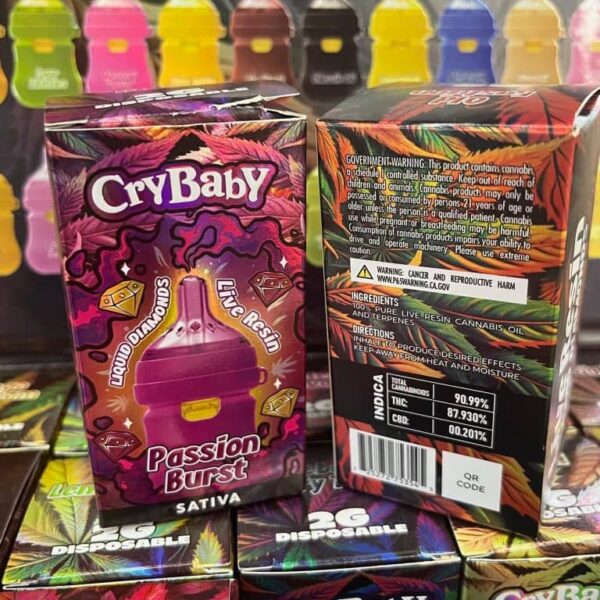
Cannabis edible packaging often provides information such as:
- Total cannabinoid content
- Cannabinoid content per serving
- Number of gummies
- Ingredient list
- Batch number
- Manufacturing date
- Laboratory testing information
- Required warnings
Reading the complete label helps consumers understand what the package contains.
Laboratory Testing
In regulated markets, cannabis edibles may undergo independent laboratory testing.
Testing may evaluate:
- Cannabinoid concentration
- Product consistency
- Heavy metals
- Pesticide residues
- Microbial contaminants
- Residual solvents, where applicable
Testing requirements vary depending on local laws and regulations.
Ingredients and Allergens
Like other food products, cannabis gummies may contain ingredients that are important for consumers to review.
Possible ingredients include: cube 3000mg infused gummies cube 3000mg infused gummies cube 3000mg infused gummies cube 3000mg infused gummies cube 3000mg infused gummies cube 3000mg infused gummies cube 3000mg infused gummies cube 3000mg infused gummies cube 3000mg infused gummies cube 3000mg infused gummies cube 3000mg infused gummies cube 3000mg infused gummies cube 3000mg infused gummies cube 3000mg infused gummies cube 3000mg infused gummies cube 3000mg infused gummies cube 3000mg infused gummies cube 3000mg infused gummies cube 3000mg infused gummies.
- Gelatin or pectin
- Sugar
- Corn syrup
- Citric acid
- Natural flavors
- Artificial flavors
- Food colorings
Manufacturers may also identify potential allergens on the packaging where required.
Storage Recommendations
Proper storage can help preserve product quality.
General recommendations include:
- Store in a cool, dry place.
- Protect from direct sunlight.
- Keep the package sealed when not in use.
- Avoid excessive heat and humidity.
- Keep out of reach of children and pets.
Storage recommendations may differ among manufacturers.
Packaging Features
Many regulated cannabis markets require child-resistant packaging and standardized warning information.
Packaging may also include: cube 3000mg infused gummies cube 3000mg infused gummies cube 3000mg infused gummies cube 3000mg infused gummies cube 3000mg infused gummies cube 3000mg infused gummies cube 3000mg infused gummies
- Tamper-evident seals
- Lot numbers
- Expiration or best-by dates
- Manufacturer information
- Regulatory symbols
These features support product identification and consumer information.
Responsible Handling
Because infused gummies resemble conventional candy, secure storage is important.
General handling recommendations include:
- Store products separately from non-infused snacks.
- Follow all local regulations.
- Review the product label before use.
- Avoid leaving products where children or pets may access them.
Legal Considerations
Cannabis laws vary significantly among countries, states, provinces, and municipalities.
Regulations may address:
- Minimum age requirements
- Purchase limits
- Possession limits
- Packaging standards
- Testing requirements
- Transportation rules
Consumers should understand the laws that apply where they live or travel.
Frequently Asked Questions
What does 3000 mg on the package mean?
It generally refers to the total amount of cannabinoids contained in the entire package, not per gummy.
Does every gummy contain the same amount?
Many products are formulated so that each gummy contains an equal amount, but consumers should verify this by reading the product label.
Why is laboratory testing important?
Laboratory testing helps verify cannabinoid content and may screen for contaminants, depending on regulatory requirements.
Why should gummies be stored securely?
Because they may resemble ordinary candy, secure storage helps reduce the risk of accidental consumption by children or pets.
How long can infused gummies be stored?
Shelf life depends on ingredients, packaging, storage conditions, and manufacturer guidance. Consumers should refer to the date information and storage instructions on the package.
Cannabis-infused gummies are edible products that combine food ingredients with cannabis-derived cannabinoids. A package labeled 3000 mg typically refers to the total cannabinoid content across all gummies in the package. Understanding labels, laboratory testing, ingredients, storage recommendations, and applicable regulations can help consumers interpret product information more effectively.
This article is intended for educational purposes only and should not be considered medical, legal, or purchasing advice. Individuals should consult local laws and official product information when seeking accurate guidance about cannabis products.
Frequently Asked Questions About 3000 mg Cannabis-Infused Gummies
What does “3000 mg” mean on a package of cannabis-infused gummies?
A label stating 3000 mg generally refers to the total cannabinoid content in the entire package, not the amount in each gummy. The cannabinoid content per piece depends on how many gummies are included and how the product is formulated.
For example, if a package contains 30 gummies with a total of 3000 mg of cannabinoids, each gummy would contain approximately 100 mg. Consumers should verify serving information by reviewing the product label.
What are cannabis-infused gummies?
Cannabis-infused gummies are edible products made by combining a gummy candy base with cannabinoids derived from cannabis. Depending on the formulation, the product may contain different cannabinoid profiles.
A typical gummy includes ingredients such as:
- Sweeteners
- Flavorings
- Gelling agents (such as gelatin or pectin)
- Colors
- Cannabis extract
The exact ingredient list varies by manufacturer.
What cannabinoids may be found in infused gummies?
Cannabis naturally produces many cannabinoids. Common examples include:
- THC (tetrahydrocannabinol)
- CBD (cannabidiol)
- CBG (cannabigerol)
- CBN (cannabinol)
- CBC (cannabichromene)
The cannabinoid profile depends on the product formulation and is usually listed on the package.
How are cannabis-infused gummies manufactured?
Production generally includes several stages:
- Preparing the gummy mixture
- Adding measured cannabis extract
- Mixing thoroughly for consistency
- Filling molds
- Cooling and setting
- Packaging
- Laboratory testing where required
Manufacturing standards vary according to local regulations.
Why is laboratory testing important?
In regulated markets, laboratory testing helps verify product information and may include analysis of:
- Cannabinoid content
- Product consistency
- Heavy metals
- Pesticide residues
- Microbial contaminants
- Residual solvents where applicable
Testing requirements differ by jurisdiction.
What information appears on cannabis gummy packaging?
Depending on local regulations, packaging may include:
- Total cannabinoid content
- Cannabinoid content per serving
- Number of gummies
- Ingredient list
- Nutrition information
- Batch or lot number
- Manufacturing or packaging date
- Laboratory testing information
- Required warnings
Reading the complete label provides useful product information.
Why is serving information important?
Serving information indicates how much cannabinoid content is associated with a single serving according to the manufacturer.
The package may define:
- Serving size
- Number of servings
- Total cannabinoids
- Cannabinoids per serving
Consumers should rely on the package label for accurate serving information.
What ingredients are commonly used?
Cannabis gummies may contain:
- Sugar
- Corn syrup
- Gelatin or pectin
- Citric acid
- Fruit concentrates
- Natural or artificial flavors
- Food colorings
- Cannabis extract
Manufacturers may also identify allergens when required by regulation.
How should cannabis gummies be stored?
General storage recommendations include:
- Store in a cool, dry location.
- Keep away from direct sunlight.
- Avoid excessive heat and humidity.
- Keep the container sealed.
- Store securely away from children and pets.
Following storage instructions may help maintain product quality.
Why is child-resistant packaging used?
Many jurisdictions require child-resistant packaging because cannabis edibles may resemble ordinary candy. Packaging requirements are intended to reduce the risk of accidental access by children.
Do cannabis gummies have an expiration date?
Many products include a best-by or expiration date provided by the manufacturer. Shelf life can depend on ingredients, packaging, and storage conditions.
Consumers should review the package for date information and storage guidance.
What is a batch number?
A batch number identifies a specific production run. It helps manufacturers and regulators track products for quality control and testing purposes.
Are cannabis laws the same everywhere?
No. Cannabis laws vary widely between countries, states, provinces, and municipalities.
Regulations may address:
- Minimum legal age
- Purchase limits
- Possession limits
- Packaging standards
- Testing requirements
- Transportation rules
Consumers should understand the laws that apply in their jurisdiction.
Why should consumers read the entire label?
The label provides important information about the product, including ingredients, cannabinoid content, serving information, storage recommendations, and regulatory warnings. Reviewing this information can help consumers understand the product’s characteristics.
A package labeled 3000 mg cannabis-infused gummies generally indicates the total cannabinoid content across all gummies in the package. Product labels, laboratory testing information, ingredient lists, and storage recommendations provide useful context for understanding these products in regulated markets.
Technical Overview of Cannabis-Infused Gummies
Cannabis-infused gummies are edible products that combine a traditional gummy candy base with cannabinoids derived from cannabis. In regulated markets, manufacturers typically produce these products under food safety and cannabis-specific regulations that govern labeling, testing, packaging, and quality control. While formulations vary, the production process generally follows standard food manufacturing practices with additional controls for cannabinoid measurement and product consistency.
Primary Ingredients
Most cannabis-infused gummies contain a combination of ingredients that provide structure, flavor, and stability.
Common ingredients include:
- Sugar
- Glucose or corn syrup
- Water
- Gelatin or pectin
- Citric acid
- Natural or artificial flavors
- Food coloring
- Cannabis extract
- Preservatives (in some formulations)
The exact recipe depends on the manufacturer and the intended product characteristics.
Gelatin vs. Pectin
Two common gelling agents are used in gummy production.
Gelatin
Gelatin is an animal-derived protein that creates a soft, elastic texture. It is widely used in traditional gummy candy manufacturing.
Pectin
Pectin is a plant-derived ingredient obtained primarily from fruit. It produces a different texture and is commonly used in vegan formulations.
The choice between gelatin and pectin depends on the desired texture and product formulation.
Cannabis Extracts Used in Gummies
Manufacturers may use different cannabis extracts depending on the intended formulation.
Examples include:
- Distillate
- Broad-spectrum extracts
- Full-spectrum extracts
- Isolate-based formulations
The extraction method influences the cannabinoid profile of the finished product.
Cannabinoid Distribution
One important manufacturing goal is achieving uniform cannabinoid distribution throughout the batch.
Production typically includes controlled mixing procedures designed to distribute cannabinoids evenly before the mixture is deposited into molds.
Quality assurance measures may be used to verify consistency across production lots.
Production Process
Although methods vary, production generally follows these stages:
- Ingredient preparation
- Mixing the gummy base
- Incorporating the cannabis extract
- Depositing the mixture into molds
- Cooling and setting
- Removing gummies from molds
- Applying optional coatings
- Packaging
- Quality inspection
Each stage is monitored to support product consistency and compliance with applicable regulations.
Packaging Considerations
Packaging serves several functions, including product protection, labeling, and regulatory compliance.
Packaging may include:
- Child-resistant features
- Tamper-evident seals
- Batch identification
- Ingredient information
- Cannabinoid content
- Storage instructions
- Required warnings
Requirements vary by jurisdiction.
Laboratory Testing
Many regulated markets require cannabis edibles to undergo laboratory testing.
Testing may include:
- Cannabinoid concentration
- Product uniformity
- Heavy metals
- Pesticide residues
- Microbial contamination
- Residual solvents (where applicable)
Laboratory testing helps verify that products meet regulatory standards.
Product Labeling
Labels commonly provide information such as:
- Total cannabinoid content
- Cannabinoid content per serving
- Number of servings
- Ingredient list
- Nutrition information
- Batch or lot number
- Manufacturing or packaging date
- Expiration or best-by date
Consumers should review the entire label before using any regulated cannabis product.
Storage Recommendations
Proper storage helps maintain product quality.
General recommendations include:
- Store in a cool, dry location.
- Keep away from direct sunlight.
- Reseal the package after opening.
- Avoid excessive heat and humidity.
- Store securely away from children and pets.
Environmental conditions may influence texture and shelf stability.
Shelf Life
Shelf life depends on factors such as:
- Ingredient composition
- Moisture content
- Packaging quality
- Storage conditions
Manufacturers typically provide date information and storage guidance on the package.
Quality Assurance
Quality assurance programs may include:
- Ingredient verification
- Equipment sanitation
- Batch documentation
- Weight verification
- Packaging inspection
- Label accuracy checks
These procedures help support product consistency and traceability.
Environmental Considerations
Manufacturers may work to reduce environmental impact by:
- Using recyclable packaging where feasible
- Improving manufacturing efficiency
- Reducing production waste
- Optimizing transportation and distribution
The availability of sustainable packaging options varies among producers.
Regulatory Considerations
Cannabis edible products are subject to different regulations depending on the jurisdiction.
Rules may address:
- Licensing
- Manufacturing standards
- Packaging requirements
- Laboratory testing
- Labeling
- Distribution
Consumers should consult local laws and official guidance for current requirements.
Conclusion
Cannabis-infused gummies are food products manufactured by combining a gummy base with cannabis-derived cannabinoids under controlled production conditions. Product quality is influenced by ingredient selection, manufacturing practices, laboratory testing, packaging, and storage. Understanding these technical aspects can help consumers interpret labels and product information more effectively in jurisdictions where cannabis products are legally regulated.





Reviews
There are no reviews yet.