



Push Halloween Edition 2G Disposable – Product Overview, Design, and Packaging Guide
Introduction to Push Halloween Edition 2G Disposable
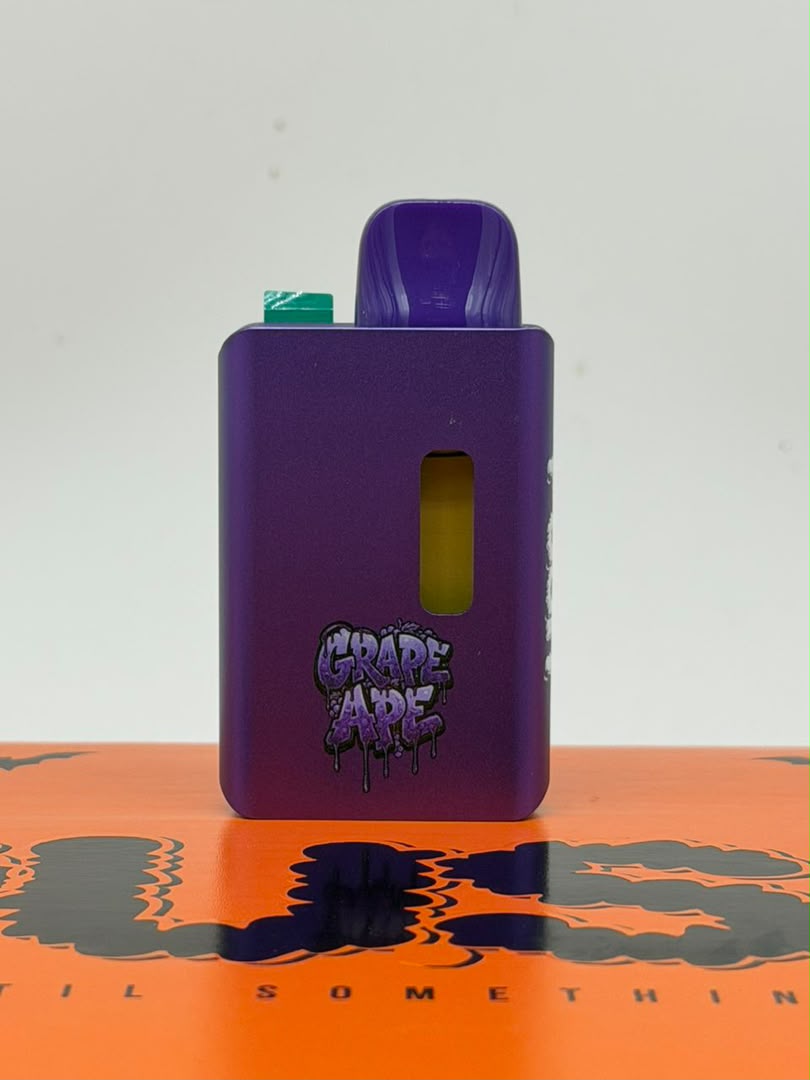
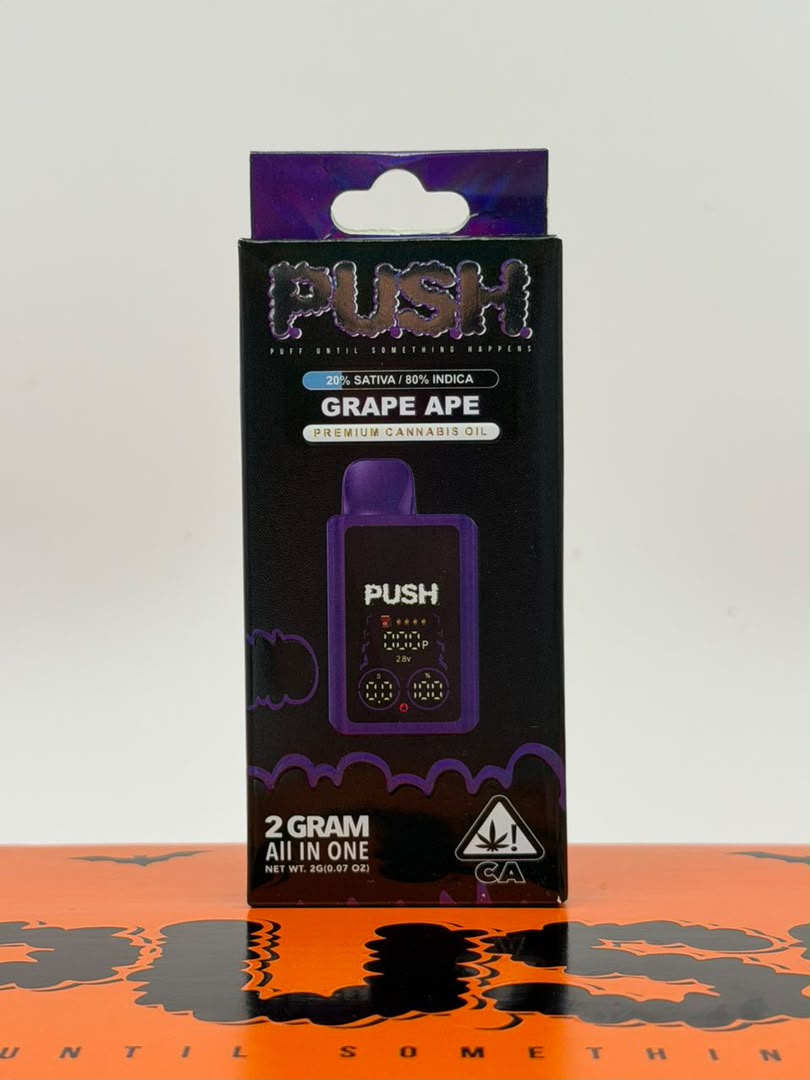
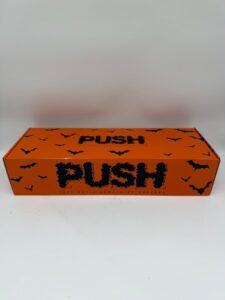
The push halloween edition 2g disposable is a themed product listing associated with the Push disposable device range. Its name combines three identifying elements: the Push brand, a stated 2G quantity, and a Halloween-inspired edition designation.
The Halloween Edition name gives this product a seasonal identity. It may distinguish the listing from other Push product variations through its packaging, artwork, or collection theme. However, the exact design and technical specifications should always be confirmed using the physical package and manufacturer documentation.
For online retailers, presenting this product accurately involves more than writing an attractive title. A complete listing should explain the product’s identifying details, describe its visible hardware, clarify packaging information, and provide appropriate documentation where available.
This guide explores the main elements of the Push Halloween Edition 2G Disposable, including its product name, seasonal design concept, device components, packaging, batch identification, and online catalog organization.
push halloween edition 2g disposable
Understanding the Push Brand and Product Identification
Push is the brand identifier used in the product name. Within an online catalog, the brand name helps distinguish this listing from similarly named products offered by other manufacturers.
However, products carrying the same brand name may have different packaging, hardware configurations, and product specifications. Therefore, retailers should avoid transferring information from another Push model without checking whether it applies to the Halloween Edition.
A reliable product record should identify:
- Brand name: Push.
- Product category: Disposable device.
- Edition: Halloween Edition.
- Stated quantity: 2G.
- Variant name: As printed on the package.
- Batch or lot identification.
- Manufacturer or distributor information.
- Relevant product documentation.
These details create a consistent foundation for the product page.
Why Exact Product Identification Matters
Accurate identification helps customers understand which product a listing represents. It also helps retailers organize inventory and avoid mixing specifications between different product editions.
For example, a standard Push disposable and a Halloween-themed Push model may share some branding elements without having identical exterior designs or internal components.
Consequently, every product page should be based on the exact model being documented.
Understanding the Halloween Edition Concept
Halloween is widely associated with seasonal artwork, themed packaging, decorative graphics, and limited-edition collections.
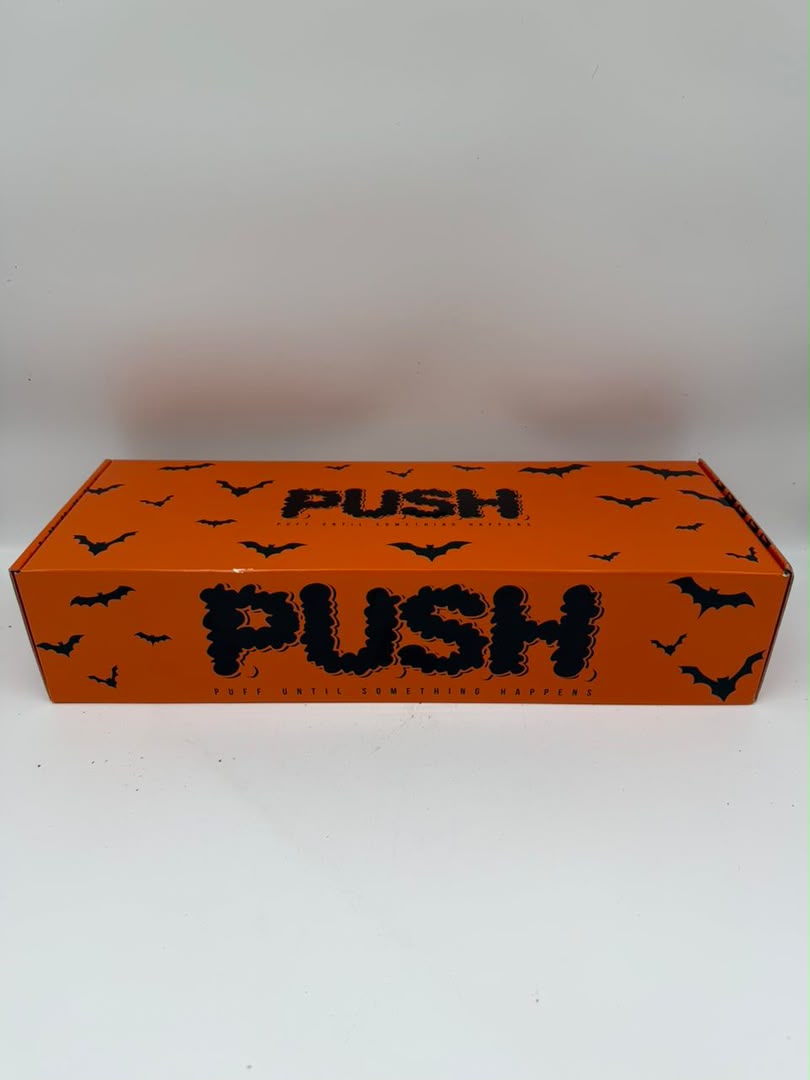
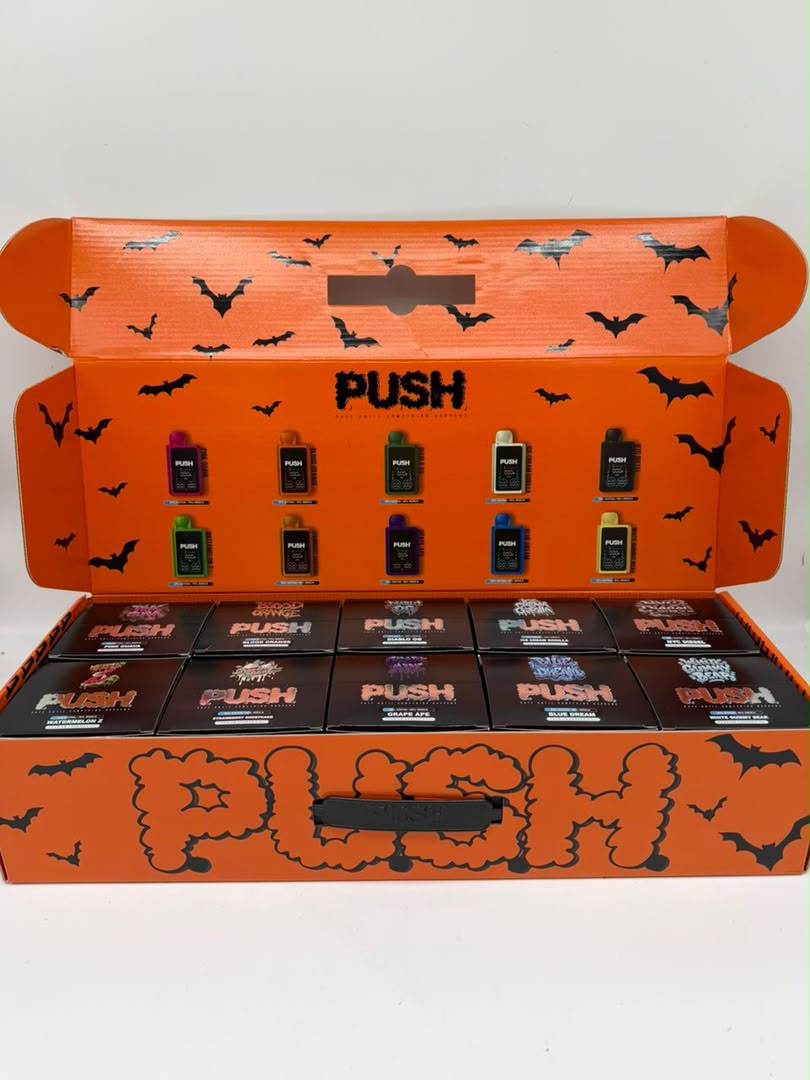
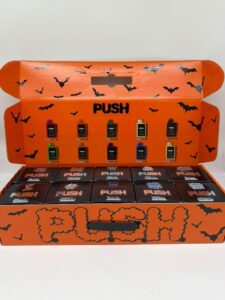
A product carrying the Halloween Edition name may use visual elements connected with this seasonal theme. These could include darker color combinations, festive illustrations, Halloween-inspired lettering, or special package artwork.
However, the exact appearance of the Push Halloween Edition should be verified through current product photographs.
Seasonal Packaging and Visual Identity
Seasonal packaging provides a way to distinguish one product collection from another.
For an online listing, useful visual details may include:
- Halloween-themed package artwork.
- Printed Push branding.
- Edition identification.
- Product quantity information.
- Variant labeling.
- Visible model details.
Retailers should describe only the features that can be confirmed from the actual product.
The Halloween designation should also not be interpreted as proof of a specific manufacturing process, formulation, or technical upgrade.
Understanding the 2G Product Designation
The 2G designation is an important part of the product title. It commonly refers to a stated two-gram quantity.
Nevertheless, the exact meaning of the quantity should be checked against the package. Retailers should not assume that every product using a similar title has identical contents or packaging.
A clear product page should explain the designation without making unsupported statements about composition.
Quantity Information and Product Records
The declared quantity should match the manufacturer’s labeling.
For better inventory management, retailers can maintain separate records for:
- Product name.
- Declared quantity.
- Edition name.
- Package configuration.
- Batch identification.
- Supplier information.
- Current inventory status.
This approach helps keep online descriptions consistent with the actual products received.
Device Design and Exterior Construction
Disposable electronic devices generally combine multiple components within a compact housing. Depending on the specific model, these may include an outer casing, an internal power source, electronic controls, an airflow pathway, and a heating assembly.
push halloween edition 2g disposable
The exact configuration of the Push Halloween Edition should be confirmed before any individual component is described as a model-specific feature.
Outer Housing
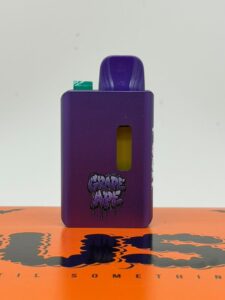
The outer housing forms the visible exterior of the device. It protects internal components and provides the product with its physical shape.
When describing this section, retailers can document observable details such as:
- Exterior shape.
- Visible material or finish.
- Printed brand identification.
- Decorative design.
- Display placement, if present.
- Charging-port placement, if present.
These details should come from direct product inspection or manufacturer-supported photographs.
Portability and Physical Format
Disposable devices are generally presented as compact electronic products. Their overall dimensions and exterior shape may influence how they are classified within a retail catalog.
However, exact measurements should not be invented. If the manufacturer provides dimensions, those measurements can be included in a technical specification section.
Otherwise, a simple description of the visible form is sufficient.
Internal Electronic Components
Some disposable device formats combine an internal power source with electronic controls and other integrated components.
The presence and configuration of these components may vary between models.
Therefore, a product page should not claim a specific battery capacity, heating system, sensor, or electronic feature without reliable documentation.
Display and Indicator Features
Certain disposable devices include visible indicators or digital display elements. These features may differ across product models.
If the Push Halloween Edition includes a screen or LED, its purpose should be confirmed before describing what information it displays.
For example, a visible indicator should not automatically be described as a battery-level monitor or quantity display.
Accurate technical descriptions are more useful than assumptions based on photographs of similar products.
Packaging and Product Presentation
Packaging is one of the most important sources of product identification information.
For the Push Halloween Edition 2G Disposable, the physical package should be checked before a retailer publishes detailed product specifications.
Relevant package information may include:
- Push brand identification.
- Halloween Edition wording.
- Declared quantity.
- Variant name.
- Manufacturer or distributor details.
- Batch or lot number.
- Ingredient information, where applicable.
- Product warnings.
- Verification details, where provided.
Why Package Accuracy Matters
Product packaging may change between production runs or distribution channels.
A retailer using an older photograph may accidentally display artwork that does not match the current inventory. Similarly, an outdated product description may contain specifications that no longer apply.
Using current product photographs and checking the package before publishing details can reduce these problems.
Batch Identification and Traceability
Batch identification helps connect an individual product to its associated production or distribution records.
A batch or lot number may appear on the package or supporting documentation.
Retailers should record this information when receiving inventory and use it when reviewing supplier records or laboratory documents.
A basic traceability record may contain:
- Product name.
- Edition identification.
- Declared quantity.
- Batch or lot number.
- Supplier details.
- Delivery date.
- Supporting documentation.
- Inventory status.
These records can help identify inconsistencies and make catalog updates easier.
Laboratory Documentation and Verification
Laboratory documentation may provide information about a tested product sample.
Where a Certificate of Analysis is available, it should be checked against the relevant product and batch.
A report associated with another product does not automatically verify the Push Halloween Edition.
Before publishing laboratory-related information, retailers should review:
- Product identification.
- Batch or lot number.
- Laboratory identity.
- Testing date.
- Reported results.
- Document availability.
- Relevant testing scope.
If no suitable documentation is available, the product page should not claim that a specific batch has been independently verified.
Understanding Verification Codes
Some packages may contain QR codes or other verification identifiers.
Retailers should explain these features only when their purpose is supported by the manufacturer or an appropriate verification system.
A printed code should not be presented as proof of authenticity unless the relevant system confirms that result.
Authenticity and Supplier Information
A brand name or decorative package does not independently establish product authenticity.
Retailers should maintain suitable supplier records and use manufacturer-supported verification channels where available.
push halloween edition 2g disposable
Useful checks include comparing the product name, edition wording, package identifiers, and batch details with the relevant documentation.
If any information conflicts, the retailer should investigate the difference before publishing detailed specifications.
Product Storage and Inventory Organization
Inventory management is an important part of maintaining accurate product information.
The Push Halloween Edition should have a distinct product record so that its seasonal designation is not confused with other Push products.
A basic inventory entry can include:
| Field | Product information |
|---|---|
| Brand | Push |
| Product category | Disposable device |
| Edition | Halloween Edition |
| Quantity | As declared on packaging |
| Variant | As printed on packaging |
| Batch | Package identification |
| Supplier | Verified supplier record |
| Stock status | Current inventory status |
Storage conditions should follow the manufacturer’s instructions and applicable local requirements.
Retailers should not invent specific storage temperatures or handling instructions.
Recommended Page Structure
A useful page layout can include:
H1: Push Halloween Edition 2G Disposable
H2: Product Overview
H2: Halloween Edition Design
H2: Device Components and Exterior
H2: Packaging and Product Identification
H2: Batch Documentation and Verification
H2: Frequently Asked Questions
This structure creates a clear information hierarchy.
Avoiding Keyword Stuffing
Repeating the same phrase in every paragraph can make a product page difficult to read.
Instead, use the main keyword where it provides context and use related terms naturally in supporting sections.
Clear headings and concise explanations can improve the reading experience while helping search engines understand the page.
Frequently Asked Questions
What is the Push Halloween Edition 2G Disposable?
It is a product listing identified by the Push brand, a stated 2G quantity, and a Halloween Edition designation.
What does Halloween Edition mean?
It identifies a seasonal product variation or collection. The exact artwork and packaging details should be confirmed using current product photographs.
What does 2G mean?
The designation commonly refers to a stated two-gram quantity. The exact declared contents should be confirmed on the physical packaging.
Does the Halloween Edition have special hardware?
The edition name alone does not establish a different hardware configuration. Any technical differences should be supported by manufacturer documentation.
Does the device include a screen?
This should be confirmed from the exact model and its packaging. Features from other Push products should not automatically be attributed to this edition.
Where can retailers find the batch number?
The batch or lot identifier may appear on the package or related product documentation.
How can a retailer verify product information?
Retailers should compare the physical package, supplier records, manufacturer information, and relevant batch documentation.
Can product specifications change?
Packaging, model details, and product documentation can change. Retailers should review new inventory before updating or reusing an older product description.
Responsible Product Information and Legal Considerations
Product descriptions should provide accurate information and avoid unsupported claims.
Retailers should not present unverified statements about ingredients, composition, quality, or technical performance as established facts.
Applicable age restrictions, advertising requirements, product regulations, and consumer-protection rules should also be considered.
Because requirements vary by location, retailers should review the laws that apply to their business and intended market.
The Push Halloween Edition 2G Disposable can be presented through a clear product page that explains its brand identification, seasonal edition, stated quantity, visible device design, and packaging information.
The Halloween theme provides a recognizable seasonal classification, while the 2G designation helps distinguish the listing within a wider product catalog.
Seasonal Product Collections and Catalog Organization
Seasonal product collections require careful organization because their names and packaging may distinguish them from standard product listings.
The Push Halloween Edition 2G Disposable can be placed within a seasonal collection category while retaining its own individual product record. This makes it easier for retailers to separate Halloween-themed products from other editions in the same brand range.
A well-organized catalog may include separate categories for seasonal editions, standard product variations, and products with different documented hardware configurations.
Organizing Seasonal Product Pages
Retailers can use several details to organize seasonal products:
- Brand identification.
- Seasonal edition name.
- Product category.
- Declared package quantity.
- Variant identification.
- Current packaging design.
- Inventory availability.
These details make product searches more organized and reduce confusion between similar listings.
For example, a Halloween-themed package should not be grouped with a different seasonal edition merely because both products use the same brand name.
Packaging Changes Between Production Runs
Product packaging can change over time. Manufacturers may update artwork, printed information, package materials, or product identifiers.
For this reason, retailers should review every new shipment before reusing an existing product description.
The Push Halloween Edition may appear in different packaging versions depending on its production or distribution history. However, retailers should only identify a packaging update when they can confirm it through the actual product or reliable manufacturer information.
Maintaining Updated Product Photographs
Product images should represent the current inventory as closely as possible.
If a new shipment arrives with different artwork, the retailer should consider updating the main product image. Older photographs can remain in an image archive for internal reference, but they should not misrepresent the current package.
Image captions should also remain factual. A photograph showing seasonal artwork does not establish a different technical specification.
Product Information for Customer Support Teams
Customer support teams benefit from having consistent product information available.
When a customer asks about the Push Halloween Edition 2G Disposable, staff should be able to identify the correct listing and refer to its documented specifications.
A useful internal information sheet may contain:
- Full product title.
- Brand and edition.
- Declared quantity.
- Confirmed variant.
- Visible packaging details.
- Available documentation.
- Supplier reference.
- Relevant product warnings.
This information can help staff respond consistently without relying on assumptions or details from unrelated product models.
Handling Questions About Specifications
If a customer asks about a particular hardware feature, the support team should consult the manufacturer’s documentation.
If the information cannot be confirmed, it is better to explain that the specification is unavailable than to provide an unsupported answer.
This approach encourages clear communication and helps maintain accurate product records.
Product Page Readability and Content Quality
A useful product page should be easy to scan. Long blocks of text can make important information difficult to locate.
For the Push Halloween Edition, retailers can divide the page into short sections covering product identification, seasonal design, packaging, technical documentation, and frequently asked questions.
Bullet points can help present package information, while paragraphs can explain why those details matter.
Improving the Reading Experience
A few simple writing practices can make the page easier to understand:
- Use one main idea in each paragraph.
- Explain technical terms in everyday language.
- Avoid repeating the product name unnecessarily.
- Use descriptive headings.
- Separate confirmed details from unverified information.
- Keep the FAQ answers direct and relevant.
Transition phrases such as “in addition,” “however,” “for example,” and “therefore” can also help connect related ideas.
push halloween edition 2g disposable push halloween edition 2g disposable push halloween edition 2g disposable push halloween edition 2g disposable push halloween edition 2g disposable push halloween edition 2g disposable push halloween edition 2g disposable push halloween edition 2g disposable push halloween edition 2g disposable push halloween edition 2g disposable push halloween edition 2g disposable push halloween edition 2g disposable push halloween edition 2g disposable push halloween edition 2g disposable.
Managing Seasonal Search Demand
Seasonal product names can have changing search interest throughout the year.
A Halloween Edition listing may attract more relevant searches when seasonal collections are being discussed or cataloged. Nevertheless, retailers should keep the page accurate throughout the year rather than adding artificial claims about limited availability.
Search Intent and Relevant Keywords
The primary search phrase should remain focused on the exact product name.
Related terms can support the main keyword when they genuinely describe the listing. Examples include:
- Push Halloween Edition 2G Disposable.
- Push Halloween product information.
- Push seasonal edition.
- Push disposable packaging.
- Push product identification.
Avoid using unrelated product names or technical terms simply to attract additional search traffic.
Final Product Record Review
Before publishing the listing, retailers should compare the online description with the physical product and available supporting records.
The review should confirm that the brand, edition, quantity, images, and variant information are consistent.
If the manufacturer provides updated documentation, the retailer should review the product page and correct any outdated details.
A consistent process helps maintain an organized website and makes future product updates easier.
Additional Frequently Asked Questions
Is the Push Halloween Edition a seasonal collection?
The Halloween Edition designation identifies a Halloween-themed product variation in the listing. Its exact release details should be confirmed through the supplier or manufacturer.
Should retailers use the same images for every Push edition?
No. Product images should match the exact edition and packaging being listed.
Why should batch information be recorded?
Batch information helps connect inventory to relevant supplier records and supporting product documentation.
Can retailers reuse an older product description?
They can reuse general informational sections after reviewing them, but edition-specific details, images, and specifications should be checked against the current package.
What makes a product listing reliable?
A reliable listing uses accurate product identification, current photographs, verified specifications, clear wording, and appropriate documentation.
Closing Notes on Product Presentation
The Push Halloween Edition 2G Disposable deserves a product listing that clearly explains its seasonal identity without confusing decorative packaging with technical specifications.
By organizing the product under the correct brand and edition, retailers can maintain a more consistent catalog. Meanwhile, accurate photographs, supplier records, and clear customer information can support better product identification.

Reviews
There are no reviews yet.