




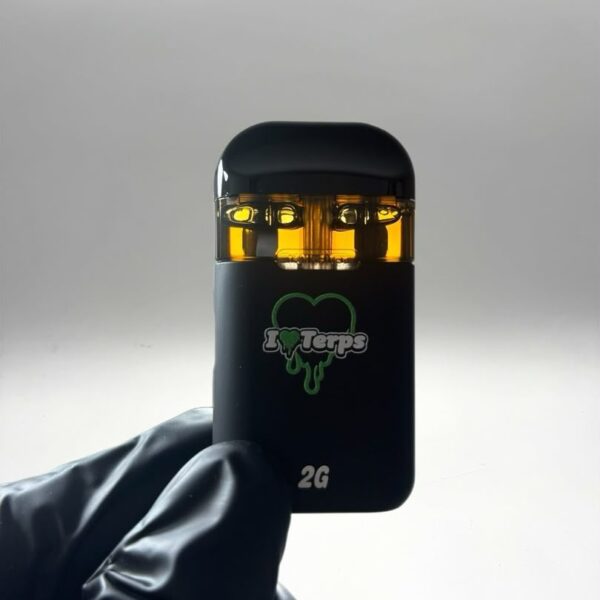
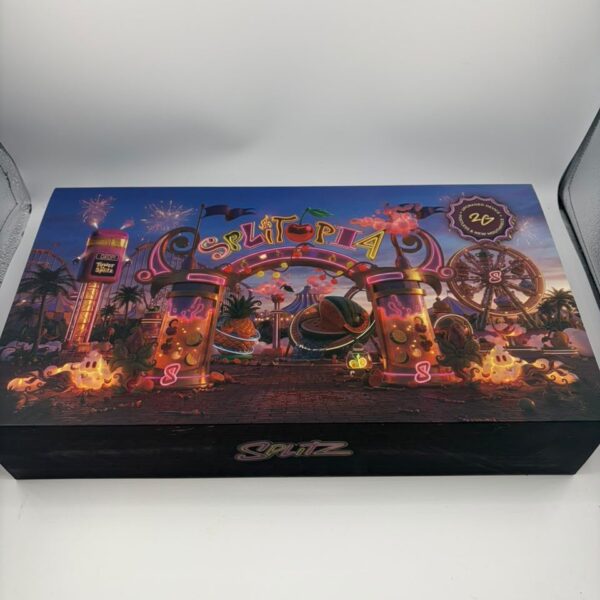
By the Gram Extracts 2G Disposable
Introduction
The by the gram extracts 2g disposable is a product name that combines a brand identifier, an extracts-related product designation, a 2G capacity label, and a disposable device format. Each part of the name helps distinguish the listing within a product catalog.
When preparing an online product page, accurate information matters. Readers need a clear explanation of the product’s identity, packaging, device category, and available documentation. In addition, retailers need consistent product records to manage inventory and prevent confusion between similar models.
This guide explores the By the Gram Extracts 2G Disposable from an informational perspective. It covers the product name, general device construction, packaging, identification, batch records, documentation, authenticity considerations, inventory management, and search engine optimization.
The guide does not assume unverified product specifications, ingredients, laboratory results, or performance characteristics. Product-specific details should always be checked against the physical packaging and reliable manufacturer documentation.
Understanding the By the Gram Extracts Brand Name
Brand identification is the starting point of an accurate product description. By the Gram Extracts is the brand name supplied for this product listing. It should appear consistently throughout the product title, description, image captions, and catalog records.

Brand names help distinguish one product listing from another. However, a brand name alone does not confirm the manufacturer, production location, formulation, or quality of an individual item. Those details require appropriate supporting documentation.
Why brand consistency matters
Inconsistent naming can create confusion for website visitors and inventory managers. For example, a product might appear as By the Gram Extracts in one section and as By Gram Disposable in another. Although these names may look similar, they should not automatically be treated as identical.
For better organization, retain the complete supplied brand name and use it consistently.
A product identification record should include:
- Brand name as printed on the packaging
- Complete product name
- Model or product-line designation, if available
- Capacity label
- Package identification details
- Batch or lot number, where available
- Manufacturer or distributor information, where documented
These details create a useful foundation for product catalog management.
What the 2G Designation Means
The 2G label is a capacity designation included in the supplied product name. It is an important part of the product’s identity and should be reproduced accurately in the online listing.
However, the label alone does not establish the complete composition, ingredients, or independently verified contents of the product. Website owners should consult the packaging and relevant documentation before adding further information.
Accurate capacity descriptions
Capacity labels can help distinguish products with different listed quantities. Consequently, retailers should avoid changing or expanding these labels without evidence.
When preparing the product page:
- Check the exact capacity wording on the package.
- Use the same designation in the product title.
- Avoid adding unsupported measurements.
- Keep batch-specific records connected to the correct listing.
- Review the description whenever packaging information changes.
This approach helps maintain consistency across the website.
Understanding the Disposable Device Category
The word disposable identifies the general device category used in the supplied product name. Disposable electronic devices are generally described as self-contained products rather than products with separately replaceable main components.
Nevertheless, the exact design and construction of the By the Gram Extracts model should be confirmed through reliable product documentation.
General device components
Electronic devices may contain several integrated components, depending on the model. These can include:
- An exterior enclosure
- Electronic circuitry
- A power source
- Internal electrical connections
- Other integrated hardware components
These are general examples, not a confirmed component list for this particular model.
A responsible product description should avoid claiming that the By the Gram Extracts device contains a particular battery type, charging port, display, sensor, or internal mechanism unless that information has been verified.
by the gram extracts 2g disposable by the gram extracts 2g disposable by the gram extracts 2g disposable by the gram extracts 2g disposable by the gram extracts 2g disposable by the gram extracts 2g disposable by the gram extracts 2g disposable by the gram extracts 2g disposable by the gram extracts 2g disposable by the gram extracts 2g disposable by the gram extracts 2g disposable by the gram extracts 2g disposable
Why hardware information matters
Hardware descriptions help readers understand the general product category. They also help website managers organize products into consistent catalog sections.
For example, a store might separate disposable electronic devices from rechargeable accessories, replacement components, and other electronic products.
Clear categorization makes product information easier to navigate.
Product Identification and Naming Structure
A product title should communicate the most important identifying details without becoming unnecessarily complicated.
For the By the Gram Extracts 2G Disposable, the supplied name contains three main elements:
- By the Gram Extracts: Brand identification.
- 2G: Capacity designation.
- Disposable: General device category.
These elements should remain consistent across the website.
Recommended product title
By the Gram Extracts 2G Disposable – Product Information
Suggested short description
The By the Gram Extracts 2G Disposable is identified by its brand name, 2G capacity designation, and disposable device format. This product guide covers its naming, packaging, general hardware terminology, and available identification records.
Why accurate titles are important
Search engines and website visitors use product titles to understand page content. A clear title makes it easier to distinguish a specific listing from other products.
Avoid adding unverified model numbers, edition names, flavor descriptions, or technical features. If those details are not shown on the packaging or supported by reliable documentation, leave them out.
Packaging and Product Presentation
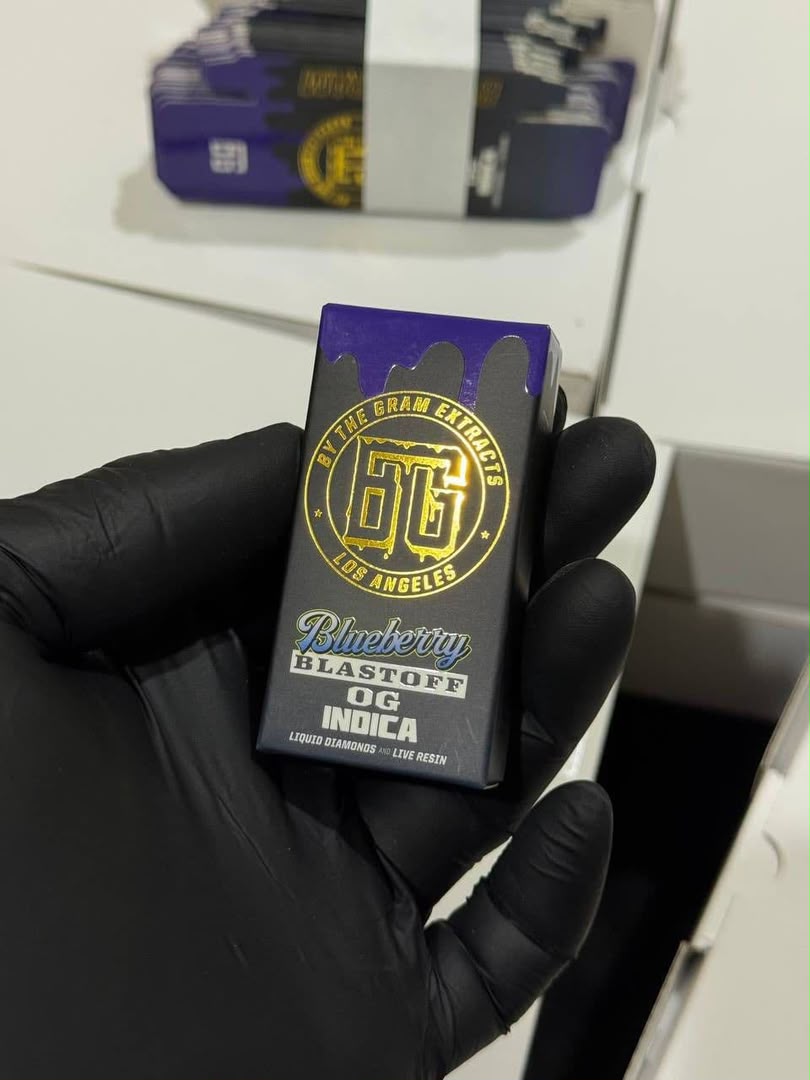
Packaging is an important source of product identification information. It may contain the brand name, capacity label, product description, manufacturer details, batch number, and other relevant information.
Retailers should examine the actual packaging before publishing a detailed description.
Important packaging information
Check for the following details where available:
- Exact brand spelling
- Complete product name
- Capacity designation
- Model identification
- Manufacturer or distributor information
- Batch or lot reference
- Applicable warnings
- Documentation references
Not every package contains all these details. Only include information that can be verified.
Packaging design and presentation
The packaging contributes to the product’s visual identity. Colors, typography, printed logos, and layout can help distinguish one product version from another.
However, visual appearance should not be treated as proof of authenticity or product quality.
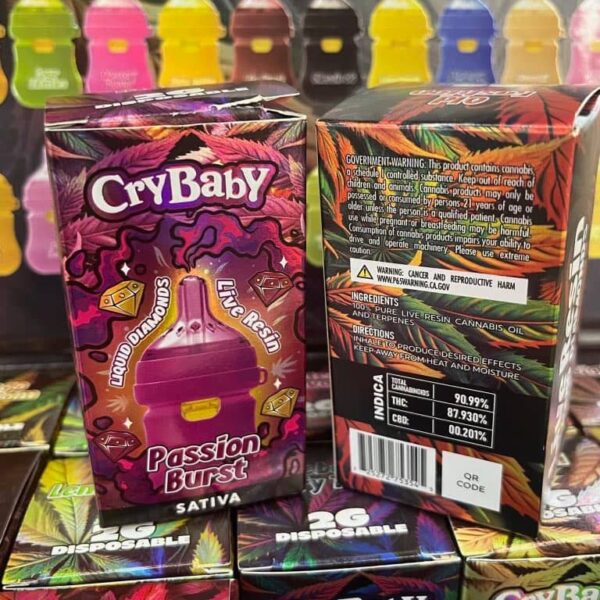
For accurate catalog information, use photographs of the actual package rather than generic images from unrelated products.
Product Photography and Image Organization
Product photographs help visitors recognize the item described on the page. They also support catalog maintenance by giving website managers a visual reference.
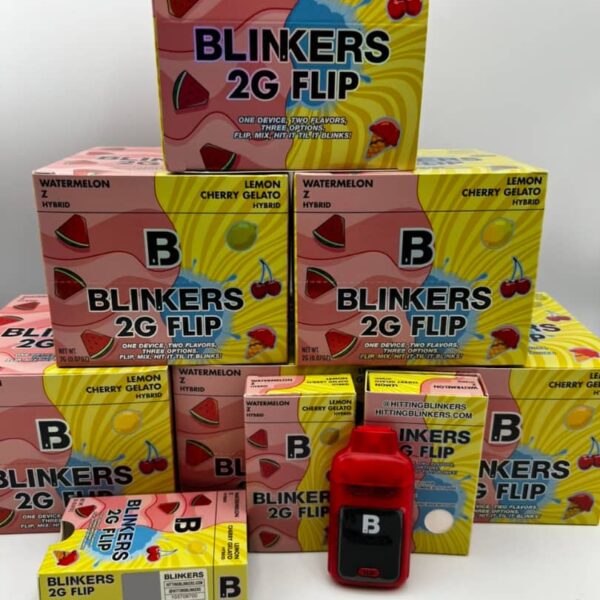
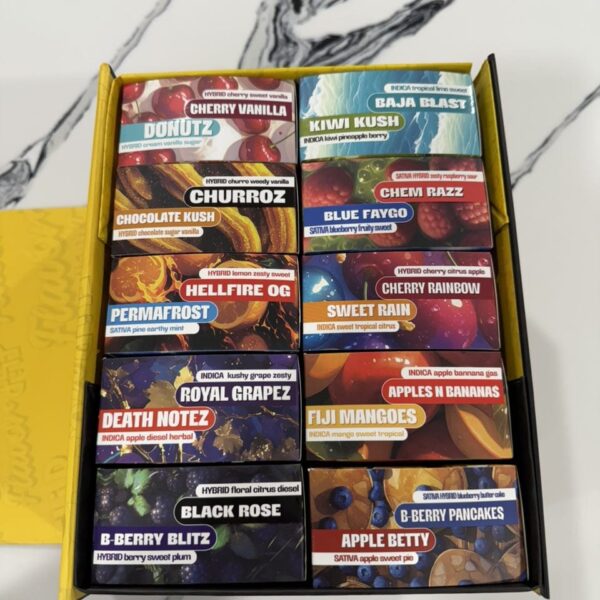
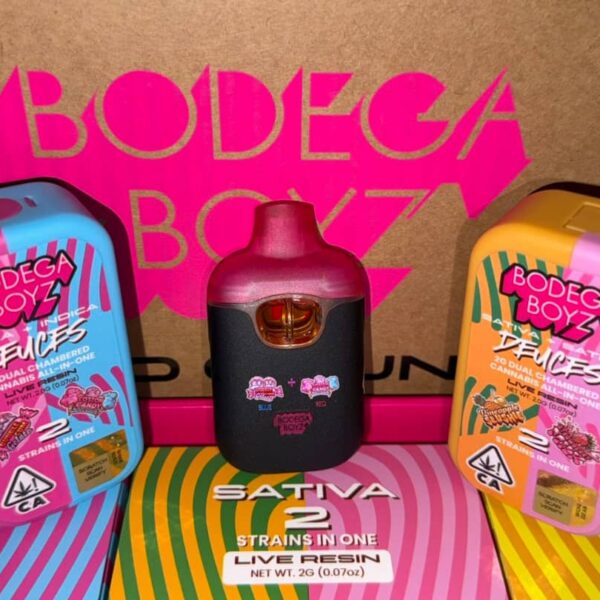
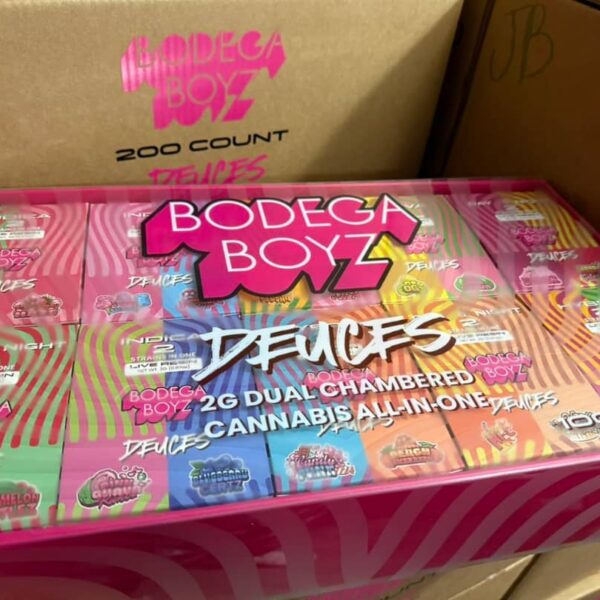
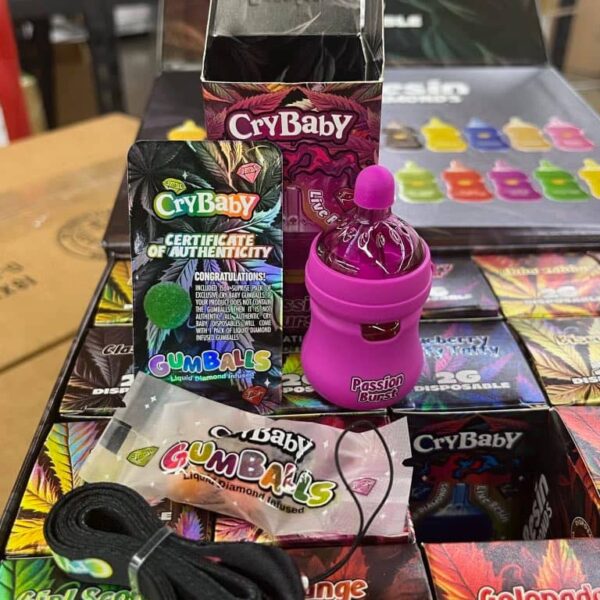
For the By the Gram Extracts 2G Disposable, useful photographs may include:
- A front-facing package image.
- A rear image showing available printed information.
- A side view displaying identification details.
- A close-up of the product label.
- A clear image of the complete package.
Images should be sharp, properly lit, and representative of the actual product.
Alternative text
Alternative text describes an image for visitors using assistive technology and helps search engines understand its subject.
A suitable example is:
“By the Gram Extracts 2G Disposable product packaging.”
Avoid filling image descriptions with repeated keywords. The purpose is to describe the actual image clearly.
General Hardware and Construction Information
Electronic devices can contain an outer enclosure, internal electrical components, and other integrated parts. The exact materials and component arrangement depend on the specific product.
For this reason, product pages should distinguish general device information from confirmed model specifications.
Exterior enclosure
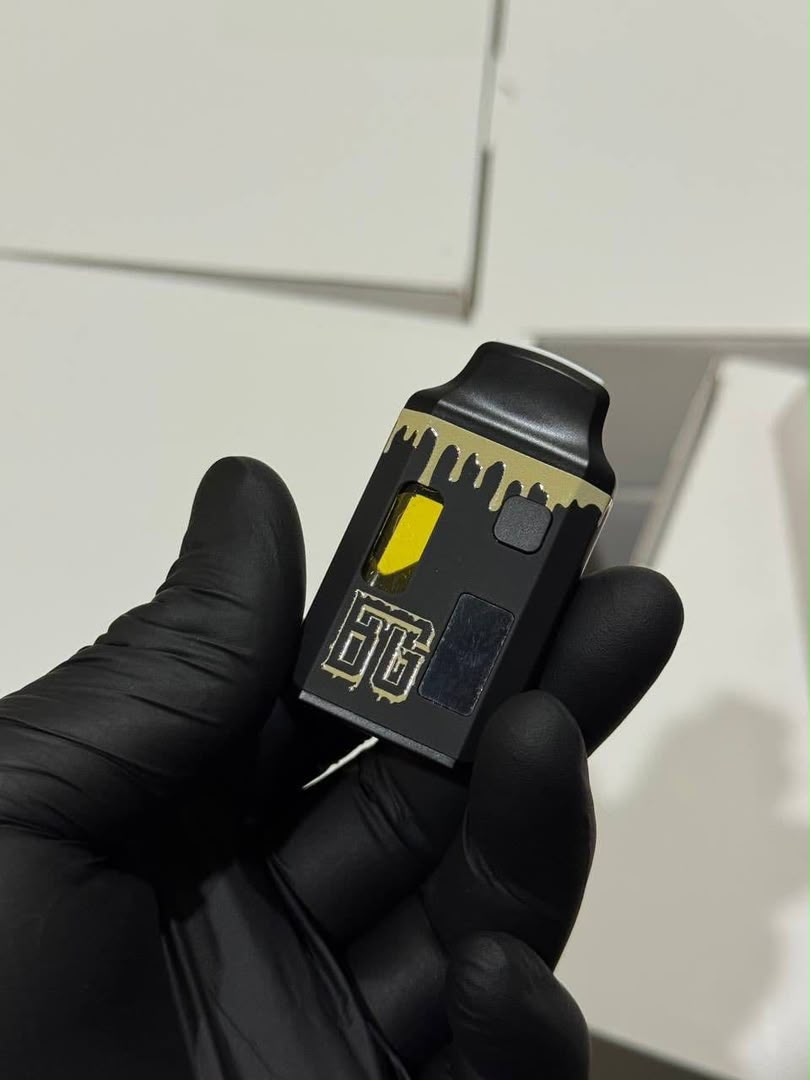
The exterior enclosure forms the visible body of an electronic device. It may display product identification, printed branding, or other design elements.
When describing the By the Gram Extracts model, website owners can record visible details such as:
- Exterior color
- Printed product name
- Visible model label
- Packaging design
- Clearly documented exterior features
Do not identify the enclosure material unless it has been confirmed.
Internal electronic components
Internal components are not always visible from the outside. Their arrangement and specifications should be obtained from reliable technical documentation.
by the gram extracts 2g disposable by the gram extracts 2g disposable by the gram extracts 2g disposable by the gram extracts 2g disposable by the gram extracts 2g disposable by the gram extracts 2g disposable by the gram extracts 2g disposable by the gram extracts 2g disposable by the gram extracts 2g disposable by the gram extracts 2g disposable by the gram extracts 2g disposable by the gram extracts 2g disposable
Avoid assuming that the device includes a particular battery capacity, heating element, charging system, or electronic display.
Product documentation
Manufacturer documents can provide additional details about a product’s construction. Where available, these records should be retained with the product’s inventory information.
Batch Information and Product Traceability
Batch information helps connect a product with its associated production or packaging records.
For businesses managing multiple products, batch tracking is an important part of inventory organization.
What batch information can include
Depending on the manufacturer and package, records may contain:
- Batch number
- Lot reference
- Production date
- Packaging date
- Manufacturer identification
- Supplier information
- Related documentation
These details should be copied accurately from the available records.
Why traceability matters
Traceability helps businesses investigate product identification questions and resolve documentation inconsistencies.
For example, if a supplier provides updated information about a particular batch, the retailer can locate the corresponding inventory record more easily.
A reliable system should connect each product listing to the correct batch documentation rather than relying on a general brand description.
Certificates of Analysis and Laboratory Documentation
A Certificate of Analysis, commonly called a COA, may provide laboratory information about a specific product or batch where such documentation is applicable.
However, a product page should not claim that the By the Gram Extracts 2G Disposable has been tested, approved, or verified unless valid documentation supports that statement.
Reviewing available documents
When a laboratory document is provided, check:
- The product name
- The batch or lot number
- The issuing laboratory
- The document date
- The reported analytical information
- Whether the document corresponds to the specific item
A document associated with another product or batch should not be presented as evidence for this listing.
Maintaining accurate documentation
Store relevant documents in an organized location. Connect each file to the correct product and batch reference.
This process makes future verification easier and helps prevent outdated or unrelated documents from appearing on the product page.
by the gram extracts 2g disposable by the gram extracts 2g disposable by the gram extracts 2g disposable by the gram extracts 2g disposable by the gram extracts 2g disposable by the gram extracts 2g disposable by the gram extracts 2g disposable by the gram extracts 2g disposable by the gram extracts 2g disposable by the gram extracts 2g disposable by the gram extracts 2g disposable by the gram extracts 2g disposable
Authenticity and Supplier Verification
Authenticity is an important consideration when maintaining an accurate product catalog.
A recognizable brand name or familiar package design does not independently establish that an item is genuine. Retailers should rely on appropriate supplier and manufacturer records.
Useful verification records
A business may maintain:
- Supplier invoices
- Purchase records
- Supplier identification details
- Manufacturer information
- Product packaging photographs
- Batch references
- Applicable authorization records
- Relevant laboratory documents
These records can help establish the source of the product and support internal quality-control procedures.
Avoiding unsupported claims
Do not describe the item as officially certified, manufacturer-approved, or guaranteed authentic unless the relevant claim can be verified.
Instead, explain which records are available and how the product has been identified.
Clear documentation is more useful than broad statements that cannot be supported.
Creating an Effective Product Page
A well-organized product page should present important information in a logical order.
Visitors should be able to identify the product name, understand its category, and locate relevant packaging or documentation information without searching through repeated paragraphs.
Recommended page structure
Product overview: Introduce the By the Gram Extracts 2G Disposable and explain the identifying terms in its name.
Product identification: List the brand name, capacity label, and device category.
Hardware information: Provide general device-category information while separating confirmed specifications from unknown details.
Packaging information: Explain the available printed details and packaging references.
Documentation: Describe relevant supplier, batch, and laboratory records where available.
Frequently asked questions: Answer common questions about the name, capacity label, packaging, and identification.
This structure supports readability and makes the page easier to maintain
Readability and Content Structure
Readability is an important part of product-page quality. Even a detailed guide should remain easy to follow.
Use clear headings
Headings divide the page into smaller sections. Each heading should describe the information that follows.
Keep paragraphs focused
A paragraph should explain one main idea. This prevents the page from becoming difficult to scan.
Use bullet points carefully
Bullet points work well for packaging details, documentation requirements, and inventory fields.
However, long explanations should remain in ordinary paragraphs.
Use transition phrases naturally
Phrases such as “additionally,” “for example,” “however,” “therefore,” and “in addition” can improve the connection between ideas.
They should be used where they make the writing clearer rather than inserted simply to increase a percentage.
Inventory Management and Catalog Organization
Accurate inventory records help businesses distinguish similar products and maintain consistent product information.
The By the Gram Extracts 2G Disposable should have a clearly identified catalog entry.
Suggested inventory fields
| Field | Record |
|---|---|
| Product name | By the Gram Extracts 2G Disposable |
| Brand | By the Gram Extracts |
| Capacity label | 2G |
| Product category | Disposable device |
| Model | Record if printed on packaging |
| Batch number | Record from package |
| Supplier | Record from invoice |
| Documentation | Attach available records |
| Image reference | Link verified product images |
Keeping product records updated
Whenever new packaging or documentation becomes available, review the corresponding product entry.
If a new version has a different model name or identifying label, determine whether it needs a separate listing.
This prevents unrelated product details from being combined.
Common Product Description Mistakes
Product pages can become inaccurate when writers add details that are not supported by available information.
Common mistakes include:
- Inventing battery specifications.
- Assuming the exact internal device configuration.
- Adding unverified ingredients.
- Claiming laboratory testing without documentation.
- Treating a brand name as proof of authenticity.
- Using photographs of a different model.
- Confusing a capacity label with independently verified contents.
- Repeating keywords excessively.
- Combining details from different product editions.
Avoiding these mistakes improves the reliability of the catalog.
Legal and Responsible Product Information
Products associated with regulated substances may be subject to different laws in different countries and regions.
Businesses should review applicable rules before publishing listings, distributing products, or making product-related statements.
Relevant requirements may concern product classification, importation, distribution, labeling, advertising, age restrictions, and documentation.
A website should not imply that a product is legal in every location or that packaging alone establishes legal approval.
Retailers should also review the rules of their hosting providers, payment services, and advertising platforms.
Frequently Asked Questions
What is the By the Gram Extracts 2G Disposable?
It is the product identified by the supplied name as a By the Gram Extracts disposable device with a 2G capacity designation.
What does 2G mean?
The 2G label is the capacity designation included in the product name. Its exact interpretation should be confirmed using the packaging and relevant documentation.
Is the By the Gram Extracts 2G Disposable a disposable device?
Yes. The supplied product name identifies it as a disposable device. Specific hardware details require manufacturer confirmation.
What information should appear on the product page?
A useful listing should include the complete product name, brand identification, capacity label, device category, available packaging information, and relevant documentation.
Are battery specifications available?
The supplied product name does not establish the battery capacity or charging configuration. These details should only be added when supported by reliable documentation.
Does the product have laboratory documentation?
That cannot be confirmed from the product name alone. Any laboratory information should be checked against valid documentation for the relevant product and batch.
How can retailers organize product records?
Retailers can use separate product entries containing the brand, capacity label, batch number, supplier reference, packaging photographs, and available documentation.
Why should product photographs match the packaging?
Matching photographs help prevent confusion between different models and product versions. They also give website managers a reliable visual reference.
Final Overview
The By the Gram Extracts 2G Disposable is identified by its brand name, 2G capacity designation, and disposable device format. These details provide the starting point for an accurate and informative product listing.
A complete product page should explain the available identifying information, discuss the general device category, and provide clear details about packaging and documentation. It should also distinguish verified information from specifications that still require confirmation.
Ultimately, a strong informational product description is not defined by the number of repeated keywords or unsupported technical claims. It is defined by clarity, consistency, and useful information that readers can understand.



Reviews
There are no reviews yet.