



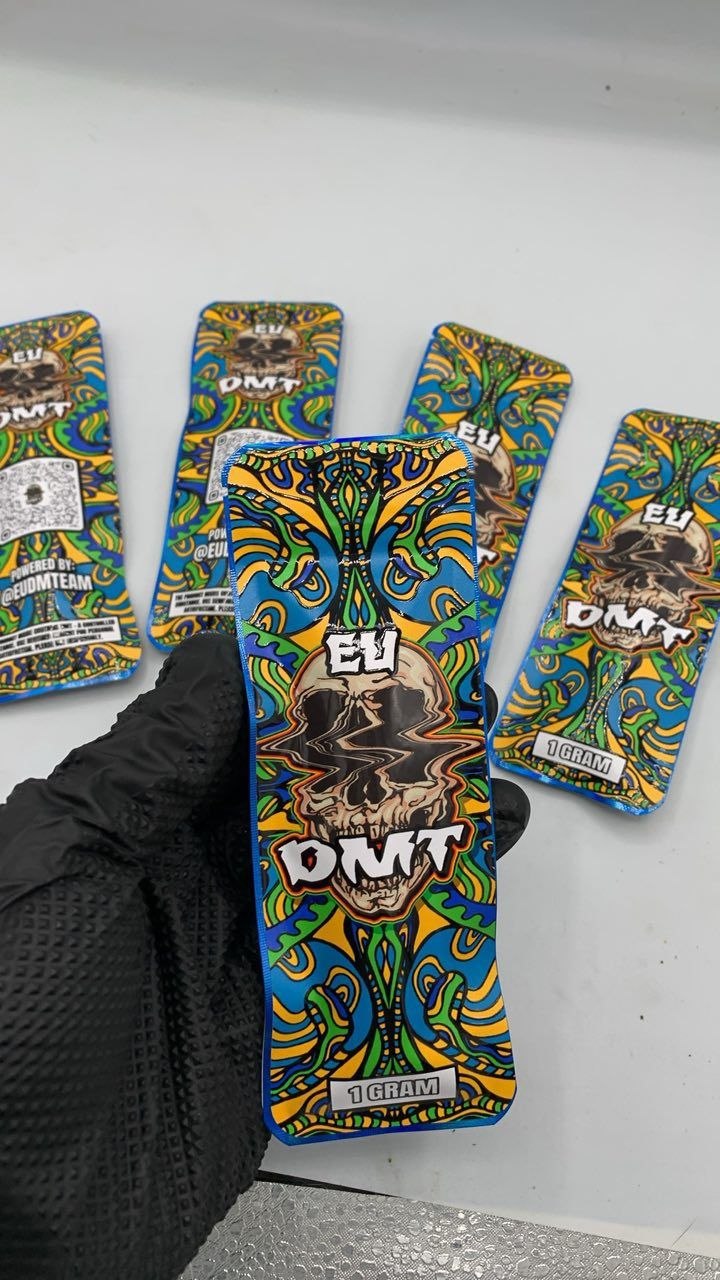
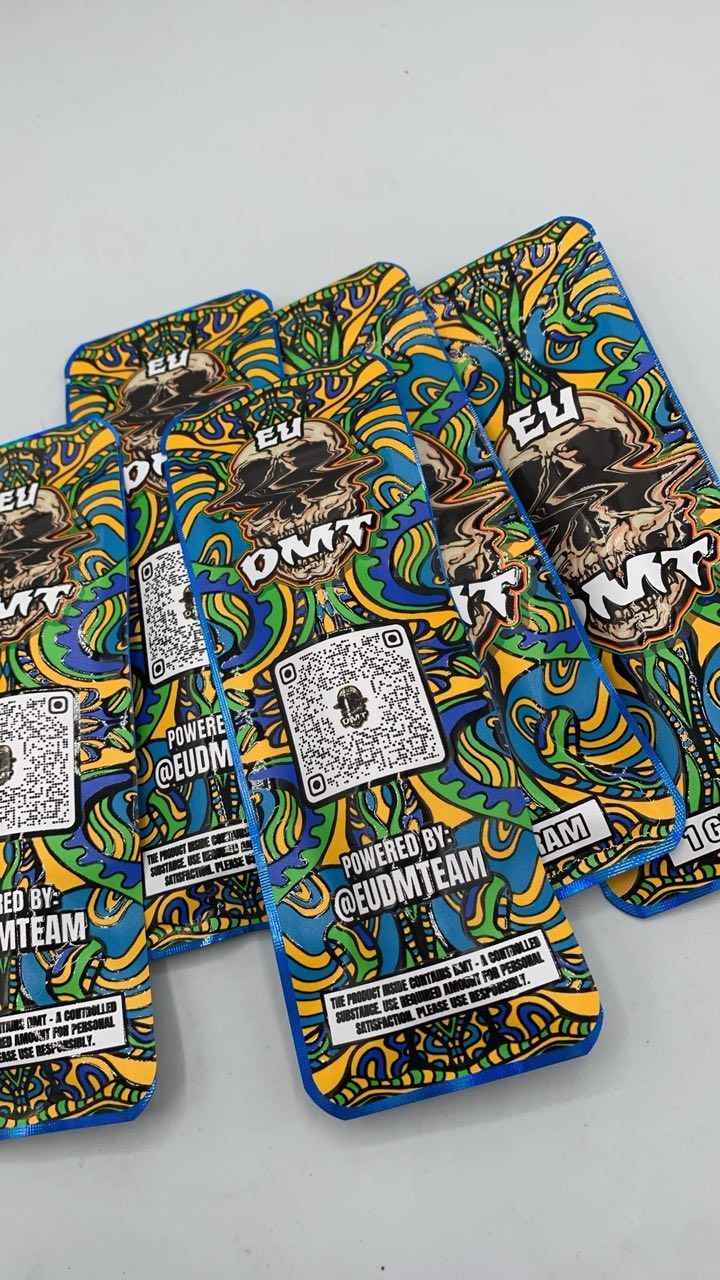


EU DMT V2 Disposable 1G: An Educational Overview, Effects, Risks, and Legal Considerations
Introduction
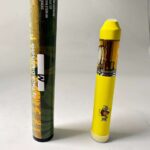
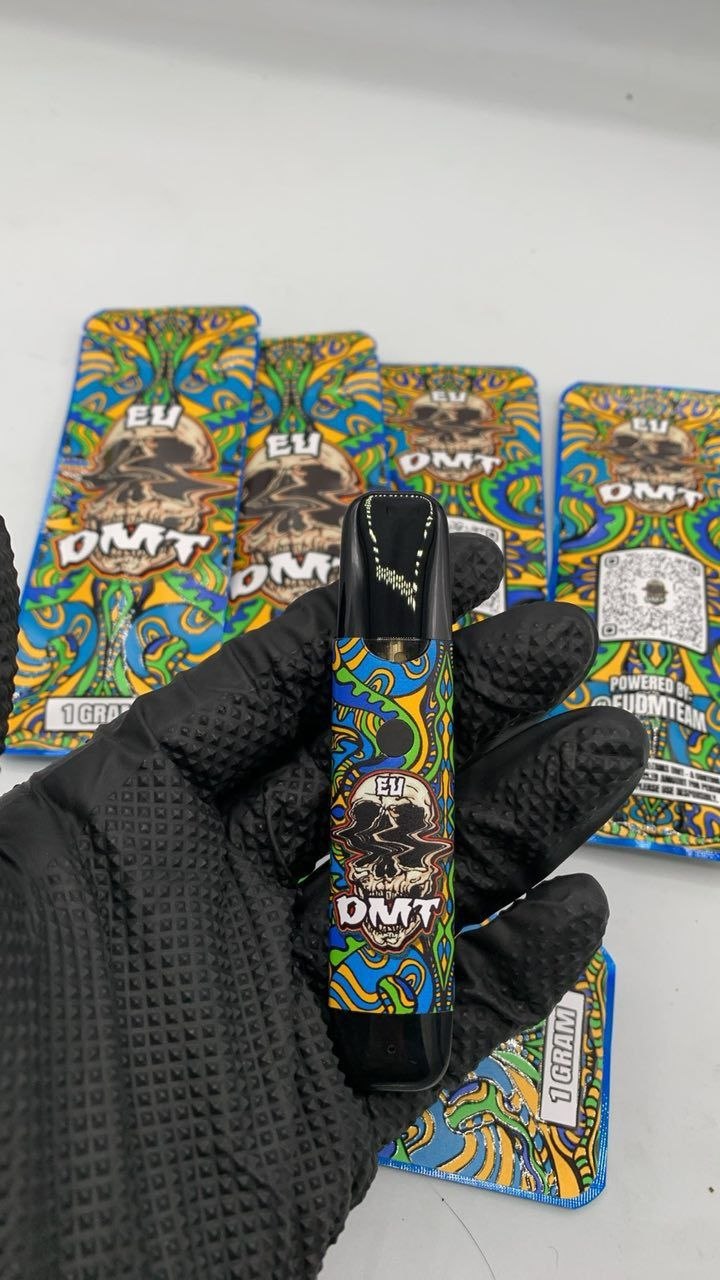
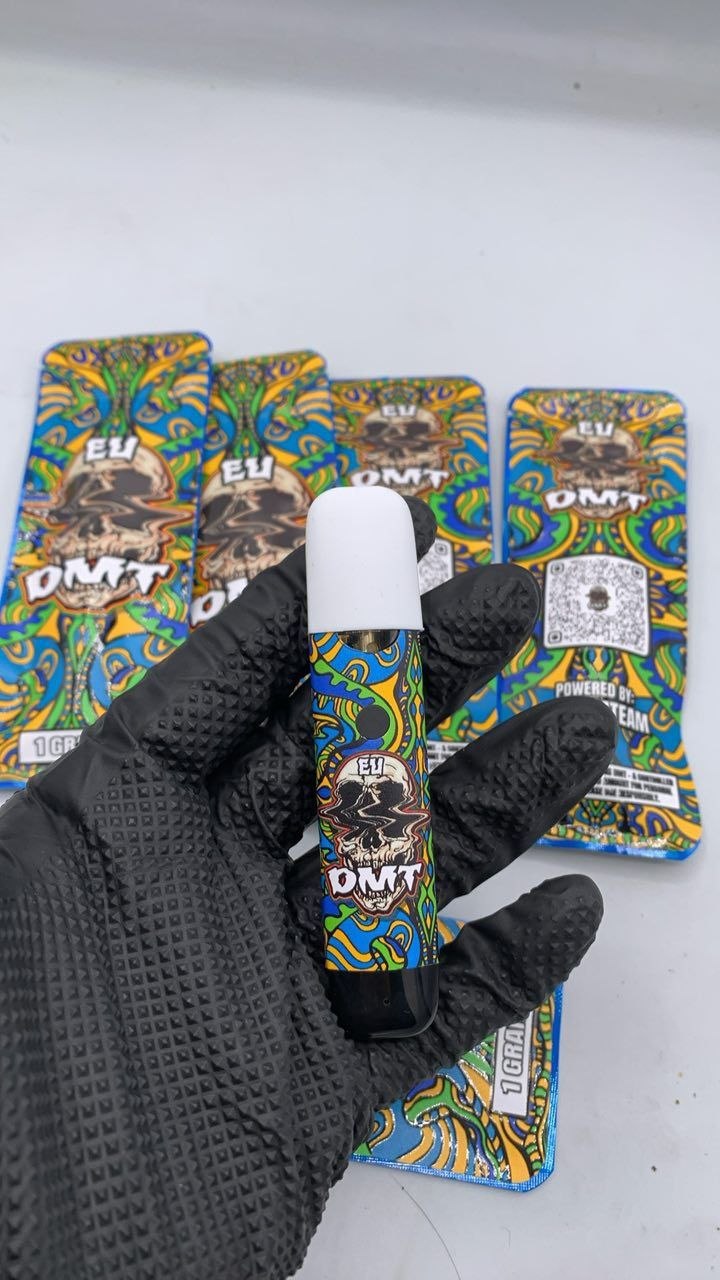
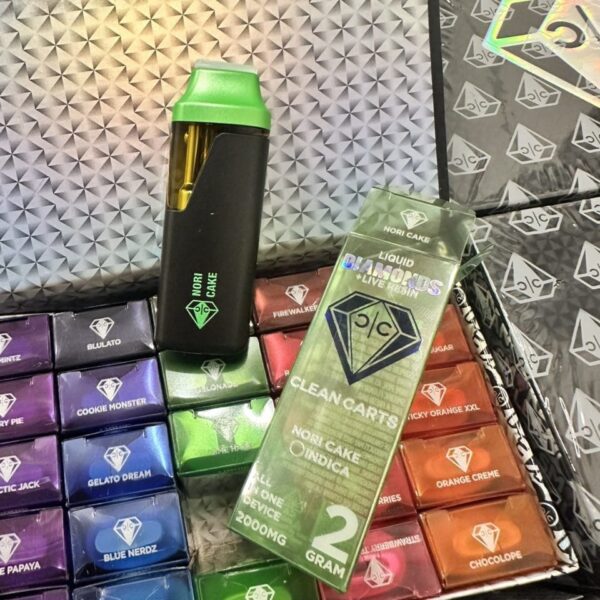
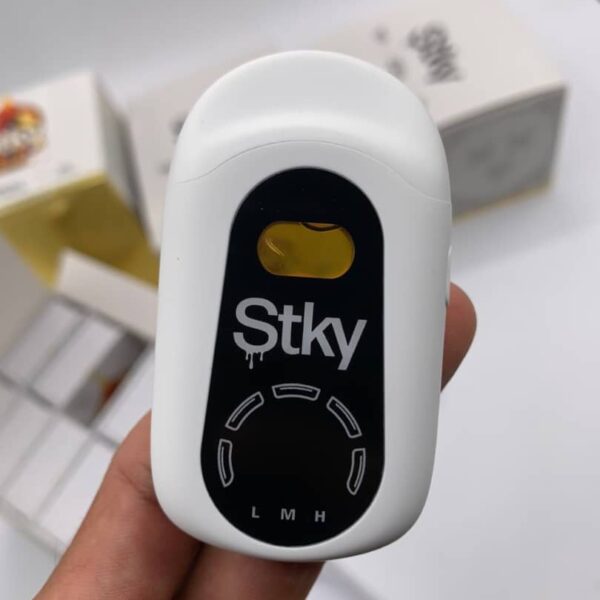
The term eu dmt v2 disposable 1g appears to describe a disposable vaping product marketed as containing 1 gram of DMT. Because product names and formulations can vary between sellers, however, the name alone does not establish what is actually inside a particular device. A label may identify an intended active ingredient, but it does not independently verify concentration, purity, contaminants, or manufacturing quality.
DMT, or N,N-dimethyltryptamine, is a powerful psychedelic compound belonging to the tryptamine family. It occurs naturally in numerous plants and can also be produced synthetically. Historically, DMT-containing preparations have been associated with ceremonial and religious practices, particularly in South America. Today, DMT is also encountered in recreational contexts and is being investigated scientifically for possible therapeutic applications.
Importantly, scientific research should not be confused with evidence that a particular commercial disposable product is safe or medically beneficial. Clinical research generally involves controlled substances of known composition, carefully measured quantities, medical supervision, and defined research protocols. An unregulated disposable device can differ substantially from those conditions.
This article therefore provides an educational overview rather than a product endorsement or purchasing guide. It explains what DMT is, why vaping can produce an intense experience, what effects may occur, what risks researchers have identified, and why the composition of an unregulated product matters.
What Is DMT?
DMT is a naturally occurring psychedelic tryptamine. Chemically, it belongs to a group of compounds that share structural similarities with serotonin and other biologically active molecules.
Its psychedelic effects are strongly associated with activity at serotonin receptors, particularly the 5-HT2A receptor. Through its interaction with neural signaling systems, DMT can dramatically alter perception, cognition, emotion, and the subjective experience of time and space.
Consequently, the experience can be considerably different from ordinary changes in mood or relaxation. People may experience vivid imagery, unusual bodily sensations, rapidly changing thoughts, emotional intensity, or a profound alteration in their sense of identity and surroundings.
At the same time, responses are not uniform. A person’s expectations, psychological state, environment, previous experience, and physical condition can all influence the experience. NIDA notes that psychedelic experiences can range from pleasurable and stimulating to frightening and intensely distressing.
Understanding the “1G” Label
The “1G” portion of a product name generally suggests that the device is advertised as containing one gram of material, but the label should not automatically be interpreted as one gram of pure DMT.
That distinction matters.
A commercial vape formulation may contain a mixture of active compounds, carrier ingredients, flavoring substances, or contaminants. Without independent laboratory analysis, the exact composition cannot reliably be established from a product name or online description alone.
Furthermore, the amount of material in a device does not tell a reader exactly how much active substance is delivered during any particular use. Delivery depends on formulation, hardware, temperature, aerosol characteristics, and other factors.
For that reason, a responsible product discussion should avoid treating the “1G” designation as proof of potency, purity, quality, or safety.
What Happens When DMT Is Inhaled?
Inhaled DMT can produce effects very rapidly because the lungs provide an efficient route for substances to enter the bloodstream. Research involving inhaled or other rapidly administered DMT has found that psychedelic effects can begin quickly and can be comparatively short-lived.
The speed of onset is one reason inhaled DMT can feel particularly intense. There may be little time for a person to adjust psychologically to the developing effects.
Reported experiences can include dramatic visual changes, altered spatial awareness, unusual perceptions of sound and color, intense emotional changes, and profound changes in the perception of one’s body or identity. NIDA specifically describes DMT-associated effects such as increased heart rate, agitation, hallucinations involving radically altered environments, body and spatial distortions, and rapidly shifting emotions.
Although the acute experience may be brief compared with some other psychedelics, “short-lasting” does not mean harmless. A rapidly developing altered state can impair judgment and coordination while it is occurring.
Psychological Effects
The psychological effects of DMT can be extraordinarily powerful.
Some people report experiences interpreted as meaningful, spiritual, mysterious, euphoric, or personally significant. Others experience confusion, fear, panic, paranoia, or overwhelming sensory stimulation.
These reactions can occur because psychedelic substances alter ordinary patterns of perception and cognition. A person may temporarily have difficulty distinguishing ordinary surroundings from internally generated imagery.
Moreover, emotional changes can occur rapidly. Someone may move from curiosity to fear or from excitement to confusion within a relatively short period.
NIDA describes adverse psychedelic experiences as potentially involving terrifying thoughts, anxiety, despair, fear of losing control, and fear of death.
Therefore, descriptions that present DMT experiences as universally positive are misleading. The same pharmacological effects that produce profound perceptual experiences can also produce severe psychological distress.
Physical Effects
DMT can affect the cardiovascular and autonomic systems as well as perception.
Reported physical effects include increased heart rate, increases in blood pressure, agitation, nausea, dizziness, and other transient physiological changes. Recent systematic-review evidence from early clinical trials has also identified dose-dependent cardiovascular effects, including increases in blood pressure and heart rate.
These effects may be particularly relevant to people with cardiovascular conditions or other medical vulnerabilities.
The absence of serious complications in a small controlled clinical study should not be interpreted as proof that every DMT product is safe. Clinical trials typically use characterized materials and carefully selected participants, whereas an unknown commercial formulation may introduce additional uncertainties.
Why Product Quality Matters
One of the most important issues surrounding an unregulated disposable product is uncertainty about its contents.
A reputable scientific study can identify the substance being administered, determine its concentration, test for impurities, and document the manufacturing process. By contrast, a product purchased through an informal or unregulated supply chain may not provide equivalent evidence.
Potential concerns include inaccurate labeling, unexpected psychoactive compounds, contamination, degradation products, or unsuitable ingredients.
The device itself can introduce additional variables. Heating a formulation produces an aerosol rather than simply delivering the original liquid or solid material. Consequently, the chemical composition of the aerosol can depend on the ingredients, heating conditions, and construction of the device.
For this reason, a product name should never be treated as a laboratory certificate.
DMT Is Not the Same as 5-MeO-DMT
Another important distinction concerns terminology.
DMT and 5-MeO-DMT are different substances. Their names look similar, but their pharmacology and subjective effects are not identical.
Scientific literature describes 5-MeO-DMT as a serotonergic psychedelic with a particularly strong interaction with 5-HT1A receptors, while ordinary N,N-dimethyltryptamine has a different pharmacological profile.
Therefore, claims that treat these substances as interchangeable should be approached cautiously.
This distinction becomes especially important when evaluating product descriptions. A vague or poorly documented label may not provide enough information to establish precisely which compound is present.
Potential Drug Interactions
Interactions represent another important concern.
DMT affects serotonin-related signaling, and combining psychoactive substances can create unpredictable effects. Particular caution is warranted with substances that affect serotonin or monoamine metabolism.
The interaction profile becomes even more complicated when DMT is combined with compounds that inhibit monoamine oxidase, as occurs with the harmala alkaloids involved in traditional ayahuasca preparations. Scientific reviews have emphasized that combinations involving DMT and monoamine oxidase inhibitors can alter DMT metabolism and may increase the potential for adverse interactions.
This is one reason information about a single substance cannot automatically be applied to a mixture.
Anyone taking prescription medication should therefore discuss potential interactions with a qualified healthcare professional rather than assuming that a psychedelic is compatible with their medication.
Mental Health Considerations
Psychedelic experiences can be psychologically intense, and individual vulnerability matters.
Someone experiencing severe anxiety, significant psychological instability, or vulnerability to psychotic symptoms may respond differently from a participant carefully screened for a clinical study.
Furthermore, an overwhelming psychedelic experience can be difficult to interpret while it is occurring. Confusion and fear may temporarily become extremely intense.
Research into psychedelic-assisted therapies is expanding, but therapeutic research does not mean that unsupervised use of commercial psychedelic products has been established as an effective treatment.
Recent clinical research has produced encouraging findings concerning the tolerability of DMT in controlled settings, but the available evidence remains limited. A 2025 systematic review emphasized the small number of early-phase trials and the need for larger, well-controlled studies before firm conclusions about safety and therapeutic effectiveness can be drawn.
Dependence and Long-Term Effects
DMT differs from substances that are commonly associated with strong physical dependence.
However, the absence of a typical dependence pattern does not eliminate other risks.
Long-term effects remain incompletely understood, partly because controlled research involving DMT has historically been limited. Researchers continue to investigate questions involving repeated exposure, psychological outcomes, cardiovascular effects, and possible therapeutic applications.
It is therefore more accurate to describe the evidence as incomplete than to claim that DMT has no long-term risks.
Likewise, the findings from controlled studies should not automatically be generalized to repeated exposure to unknown commercial formulations.
Legal Considerations
The legal status of DMT varies by jurisdiction, so a product advertised as “EU” should not be assumed to be legal throughout Europe or elsewhere.
For example, in the United States, the Drug Enforcement Administration identifies DMT as a Schedule I controlled substance under the federal Controlled Substances Act.
That classification concerns DMT itself and does not mean that every country uses the same legal framework.
Accordingly, anyone researching the legal status of DMT should consult the laws and regulations applicable to their specific jurisdiction. Possession, manufacture, distribution, importation, and other activities can be regulated differently.
Legal status can also change. Therefore, an old product listing or forum discussion should not be treated as authoritative evidence of current legality.
Recognizing a Potential Medical Emergency
Most psychedelic experiences do not necessarily result in a medical emergency, but serious reactions can occur.
Emergency medical attention is appropriate when someone develops severe or persistent symptoms such as:
- Loss of consciousness
- Difficulty breathing
- Severe chest pain
- Seizures
- Extreme agitation that creates an immediate danger
- Severe confusion that does not resolve
- Dangerous overheating
- Serious injury during an altered state
- Signs of a potentially dangerous medication or drug interaction
In an emergency, contacting local emergency medical services is more important than trying to manage the situation through online advice.
Importantly, medical professionals should be given accurate information about what was reportedly taken whenever possible. Concealing substance use can make it harder for clinicians to assess potential causes and provide appropriate treatment.
Why Disposable Devices Add Uncertainty
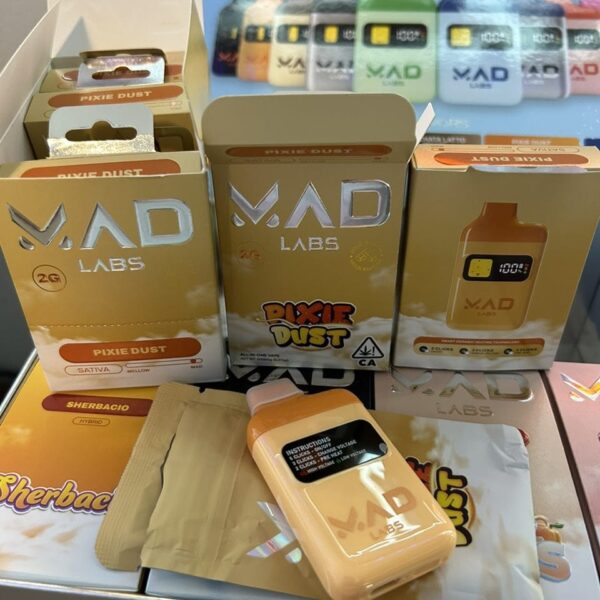
A disposable vape combines the chemical formulation and delivery hardware into one compact product.
From a consumer perspective, that may appear straightforward. From a scientific and safety perspective, however, it creates several variables.
The formulation may determine aerosol characteristics. The heating element may influence what compounds are produced during use. The battery and hardware may affect heating behavior. Manufacturing quality can also vary.
Therefore, even if two devices carry similar names, they cannot necessarily be assumed to contain identical materials or deliver identical exposure.
This is especially important when a product has not been independently tested.
Interpreting Product Claims Responsibly
Descriptions such as “pure,” “premium,” “lab-grade,” “safe,” or “clean” should not be accepted solely because they appear on packaging or a website.
A meaningful claim about chemical purity requires evidence.
Ideally, such evidence would include testing by an appropriately qualified independent laboratory, identification of the tested sample, analytical methodology, concentration measurements, and screening for relevant contaminants.
Without that information, consumers may have little basis for determining whether a claimed composition is accurate.
Consequently, responsible educational content should distinguish between what a product claims to contain and what has actually been independently demonstrated to be present.
Research Into Therapeutic Applications
Interest in DMT has increased considerably because researchers are investigating whether psychedelic experiences might have therapeutic applications.
Early clinical research has explored DMT in controlled environments, including studies involving depression and other psychiatric outcomes. Recent reviews suggest that DMT can produce rapid and transient psychedelic effects and that some early clinical trials have reported favorable short-term tolerability.
Nevertheless, this field remains under development.
Small trials cannot answer every question about long-term safety, effectiveness, appropriate patient selection, dosing strategies, or possible interactions.
Furthermore, a research compound administered under clinical supervision is fundamentally different from an unidentified commercial disposable.
Thus, promising research should be understood as a reason for further scientific investigation rather than as proof that an unregulated product constitutes a treatment.
Responsible Interpretation of the “EU DMT V2 Disposable 1G” Name
Taken by itself, the name EU DMT V2 Disposable 1G communicates very little about verified chemical quality.
“EU” may refer to a target market, branding, or seller terminology.
“V2” may indicate a version or product revision.
“Disposable” describes the intended hardware format.
“1G” may describe the advertised quantity of material.
None of these terms independently establishes purity, concentration, manufacturing standards, medical safety, or legal status.
For that reason, the most responsible way to discuss such a product is to separate marketing terminology from independently verifiable scientific information.
eu dmt v2 disposable 1g eu dmt v2 disposable 1g eu dmt v2 disposable 1g eu dmt v2 disposable 1g eu dmt v2 disposable 1g eu dmt v2 disposable 1g eu dmt v2 disposable 1g eu dmt v2 disposable 1g eu dmt v2 disposable 1g eu dmt v2 disposable 1g eu dmt v2 disposable 1g eu dmt v2 disposable 1g eu dmt v2 disposable 1g.
Key Takeaways
DMT is a potent psychedelic compound with significant effects on perception, cognition, emotion, and physiological functioning. Its effects are associated substantially with serotonin receptor activity, particularly involving the 5-HT2A system.
Inhaled DMT can produce rapid and intense effects. These may include profound perceptual changes, hallucinations, altered body awareness, emotional fluctuations, increased heart rate, and increases in blood pressure.
The phrase “1G disposable” should not be interpreted as proof of a particular dose, purity level, or safety profile. A commercial label cannot substitute for independent chemical analysis.
Moreover, DMT research is still developing. Early clinical studies have generated interest in potential therapeutic applications, but larger and better-controlled studies remain necessary.
Finally, legal status varies between jurisdictions. In the United States, DMT remains federally classified as a Schedule I controlled substance.
Conclusion
The EU DMT V2 Disposable 1G label describes what appears to be a disposable vaping product associated with DMT, but the name alone cannot establish its chemical contents or safety.
DMT itself is a powerful psychedelic with well-documented effects on perception and consciousness. Research has identified both intense psychological effects and measurable physiological changes, while modern clinical studies continue to investigate possible therapeutic applications.
At the same time, uncertainty increases substantially when a product comes from an unregulated market. Questions about identity, concentration, contaminants, manufacturing quality, hardware, and legal status cannot be answered reliably by marketing terminology alone.
A balanced understanding therefore requires separating verified scientific evidence from promotional claims. DMT should not be assumed to be harmless simply because its effects are brief, nor should promising clinical research be interpreted as an endorsement of unsupervised commercial products.
For anyone encountering a product marketed under the name “EU DMT V2 Disposable 1G,” the most important facts are straightforward: the product’s advertised name does not establish its contents; DMT can produce powerful psychological and physical effects; interactions and individual vulnerabilities matter; and applicable laws should always be checked through authoritative local sources.
















Reviews
There are no reviews yet.