




Penjamin 2G Disposable: Product Overview, Device Design, Safety, and Consumer Information
Introduction
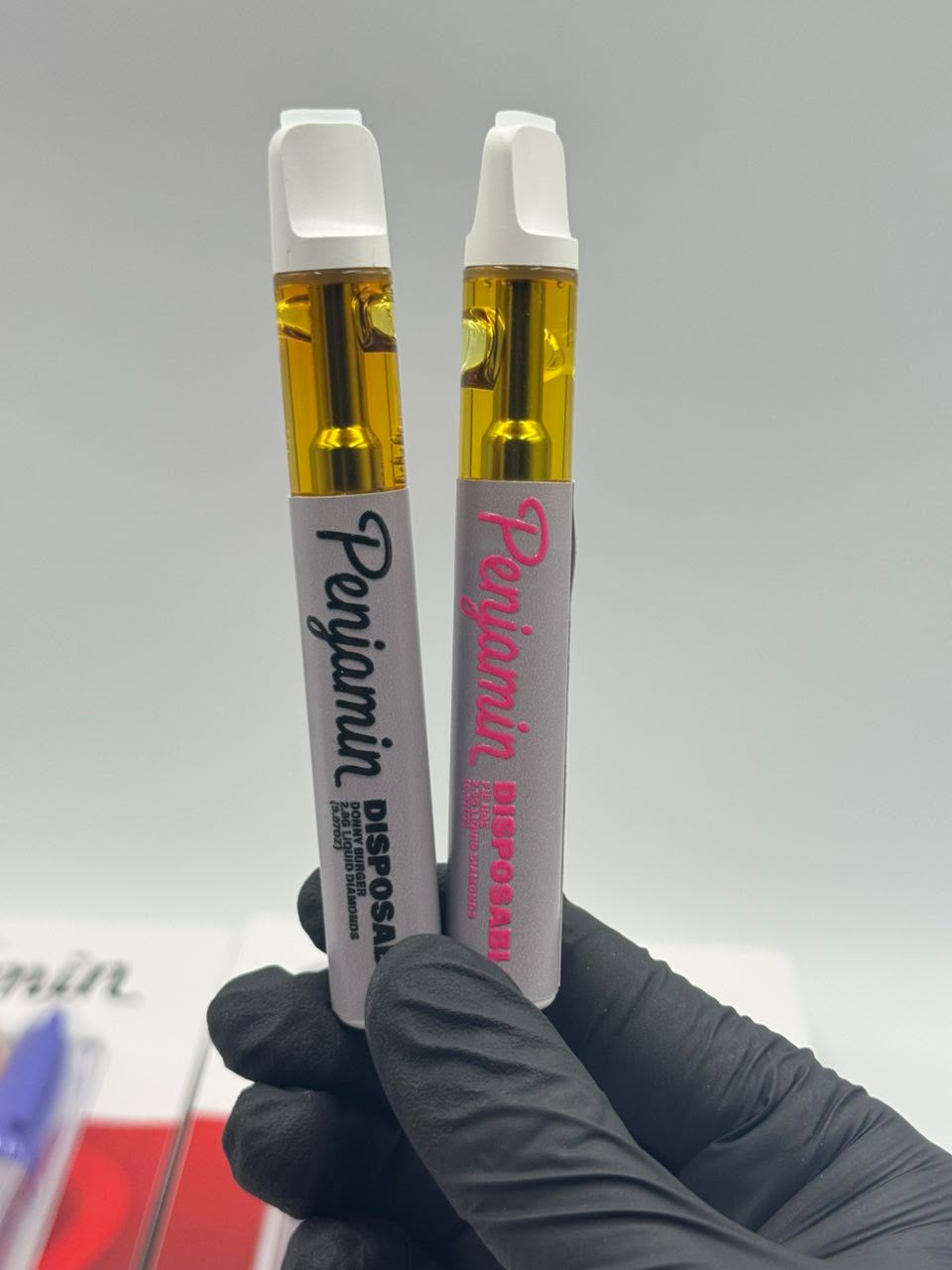
The penjamin 2g disposable is a product name associated with the disposable vape-device category. Products in this category typically combine a compact electronic unit, an internal power source, a heating component, and a prefilled reservoir in one portable housing. The 2G designation commonly refers to a stated two-gram product quantity, although the exact meaning and contents should always be confirmed through the manufacturer’s packaging and documentation.
For consumers researching the Penjamin 2G Disposable, understanding the product label, device construction, battery information, and safety documentation is important. In addition, buyers should distinguish between verified product details and claims made in online listings. Packaging, model numbers, manufacturer information, and applicable compliance records provide a more reliable basis for product identification.
Understanding the Penjamin 2G Disposable Name
The name Penjamin 2G Disposable identifies a product listing, but the name alone does not establish its manufacturer, ingredients, production standards, or authenticity.
Before relying on a product description, consumers should check:
-
Product identification: Confirm the complete product name and model designation.
-
Quantity information: Check what the stated 2G measurement represents.
-
Manufacturer details: Look for a verifiable company name and contact information.
-
Ingredient disclosure: Review the complete ingredient list where applicable.
-
Batch information: Check for a lot number, production date, and other traceability details.
-
Compliance information: Look for relevant testing and regulatory documentation.
These details help readers assess whether an online description accurately represents the item being advertised.
General Disposable Device Construction
Disposable electronic devices generally combine several components inside a compact exterior. Although construction varies between manufacturers, common components include an outer casing, an internal battery, electronic connections, and a heating assembly.
Outer Housing
The outer housing protects the internal components and gives the device its overall shape. Manufacturers may use plastic, metal, or combinations of different materials.
A well-documented device should provide enough information to identify its materials and construction standards. However, appearance alone cannot establish product quality or safety.
penjamin 2g disposable
Internal Battery
A disposable electronic device may contain a rechargeable or non-rechargeable battery, depending on its design. Battery information should be available through the product documentation.
Consumers should pay attention to warnings about overheating, physical damage, charging compatibility, and disposal. A damaged lithium-based battery can create fire and injury risks.
Electronic Components
Small electronic components can control power distribution and other device functions. Their design and quality are not always visible from the outside.
For this reason, product documentation matters. A professional-looking exterior does not guarantee that the internal electronics meet recognized safety standards.
penjamin 2g disposable
Product Identification and Authenticity
Online listings sometimes use similar names, product images, and descriptions. As a result, buyers may encounter products that appear identical but have different origins or specifications.
For the Penjamin 2G Disposable, reliable identification should begin with the original packaging and manufacturer information.
Check the following details before accepting a listing as accurate:
-
The complete product name and model.
-
The manufacturer’s legal or business name.
-
A batch or lot identification number.
-
Ingredient and quantity disclosures.
-
Relevant laboratory documentation.
-
Clear safety warnings.
-
Consistent information across the packaging and accompanying records.
A QR code or printed verification label should not automatically be treated as proof of authenticity. Its destination and supporting documentation should also be reviewed.
Battery Safety and Electronic Handling
Battery safety is an important part of understanding any portable electronic product. Small devices can still contain energy-storage components that require careful handling.
General precautions include:
-
Keep damaged or swollen devices away from heat.
-
Do not expose electronic devices to water or excessive moisture.
-
Avoid crushing, puncturing, or dismantling the housing.
-
Do not use a device with visible battery damage.
-
Follow the manufacturer’s charging and storage instructions.
-
Keep electronic products away from children and pets.
If a device becomes unusually hot, produces an unusual smell, or shows signs of swelling, stop handling it and follow appropriate local guidance for damaged battery products.
penjamin 2g disposable
Ingredient Transparency and Laboratory Documentation
A product’s name or stated quantity does not explain what it contains. Consumers should look for clear ingredient information and independent testing documentation where applicable.
Useful documentation may include:
-
Ingredient identification.
-
Contaminant screening.
-
Heavy-metal testing.
-
Residual-solvent testing, where relevant.
-
Batch-specific laboratory results.
-
Testing laboratory identification and accreditation details.
Documentation should correspond to the actual product and batch. A generic certificate that cannot be connected to the item being advertised offers limited assurance.
Health and Risk Awareness
Disposable vape products may involve exposure to substances that can affect the respiratory system. The exact risks depend on the ingredients, device construction, product condition, and individual circumstances.
Potential concerns include respiratory irritation, exposure to contaminants, nicotine-related effects where nicotine is present, and unexpected reactions to undisclosed ingredients. Product labels and online descriptions cannot eliminate these risks.
People who experience breathing difficulty, chest pain, severe dizziness, or another serious reaction should seek appropriate medical assistance.
Storage and Disposal Considerations
Storage and disposal are important parts of responsible electronic-product management.
Keep devices in a secure location where children and pets cannot reach them. Avoid leaving battery-powered products in hot vehicles or near open flames. Follow the manufacturer’s storage instructions rather than relying on assumptions based on the device’s size.
Disposable electronic products should also be handled as electronic waste when local facilities provide that option. Batteries and electronic components may require special collection because they can create fire risks or environmental harm when placed in ordinary waste.
Frequently Asked Questions
What does 2G mean in Penjamin 2G Disposable?
The 2G designation generally indicates a stated two-gram quantity. However, consumers should confirm exactly what is being measured by checking the original packaging and product documentation.
Is Penjamin 2G Disposable rechargeable?
The name alone does not confirm whether the device includes a rechargeable battery. Check the manufacturer’s specifications for the exact model.
How can consumers check product authenticity?
Review the manufacturer details, batch information, packaging, ingredient disclosures, and any independently verifiable laboratory documentation.
Does the product name confirm its ingredients?
No. A product name is not a substitute for a complete ingredient list or batch-specific testing records.
How should a damaged device be handled?
Avoid using, charging, opening, or dismantling it. Keep it away from heat and combustible materials, and follow local guidance for damaged battery disposal.
The Penjamin 2G Disposable is best evaluated through accurate product identification, transparent labeling, and reliable documentation. While the product name provides a starting point for research, it does not independently confirm the device’s specifications, ingredients, manufacturing origin, or safety standards.
Additional Consumer Guide to Penjamin 2G Disposable
Why Accurate Product Information Matters
When researching a product such as the Penjamin 2G Disposable, accurate information should remain the foundation of any product description. Online product pages often contain short titles, limited specifications, and promotional language. However, consumers need more than a product name to understand what an item contains and how it is manufactured.
A detailed product profile should separate confirmed information from general category descriptions. For example, the term disposable describes a product format, while the 2G designation communicates a stated quantity. Neither term confirms the materials, ingredients, battery capacity, or manufacturing process.
Furthermore, accurate descriptions help reduce misunderstandings. A reader should be able to distinguish between verified specifications, manufacturer statements, and information that still requires confirmation.
A reliable product listing should therefore provide clear details without making unsupported promises. This approach improves transparency and gives readers a more useful understanding of the product category.
Packaging Information and Label Clarity
Packaging provides an important source of information about consumer products. It can identify the product, communicate manufacturer details, and display warnings or handling instructions.
For the Penjamin 2G Disposable, any available packaging should be reviewed carefully. Important information may include the complete product designation, batch identification, stated quantity, ingredient disclosures, and relevant warnings.
Clear packaging should make important information easy to locate. Small or unclear labels can make it difficult for consumers to understand what they are reviewing. Similarly, missing manufacturer information can make independent verification more difficult.
A well-organized product information section should address the following areas:
-
Product name and model identification.
-
Manufacturer or responsible business information.
-
Batch number and traceability details.
-
Ingredient information, where applicable.
-
Relevant product warnings.
-
Storage and disposal instructions.
-
Independent testing documentation, where required.
These details support more informed product research and help establish a consistent standard for online product information.
Understanding the Two-Gram Designation
The 2G designation is an important part of the product name. Nevertheless, quantity descriptions should always be interpreted in the context of the original packaging.
Consumers should not assume that a stated quantity automatically describes the capacity of every internal component. Product quantity, battery capacity, and overall device dimensions are different measurements.
For instance, battery capacity is commonly expressed in milliamp-hours (mAh), while physical dimensions may be expressed in millimeters. A gram measurement refers to mass, not electrical capacity.
Understanding these differences helps prevent inaccurate comparisons between products.
A useful product page should explain the stated quantity without confusing it with battery specifications or other technical measurements. Where the manufacturer does not provide additional details, the description should avoid presenting estimates as confirmed facts.
Material Quality and Exterior Inspection
The exterior of a compact electronic device can provide basic information about its visible condition. However, appearance cannot establish the quality of its internal components.
When examining a packaged electronic product, consumers may look for visible cracks, damaged seals, loose exterior pieces, or other signs of poor handling. These observations can help identify obvious concerns, but they cannot replace professional quality testing.
The following characteristics are useful to understand when reviewing general device construction:
Housing condition: The exterior should not show obvious structural damage.
Label condition: Product identification and warnings should remain readable.
Packaging integrity: Broken seals or inconsistent packaging may require further verification.
Material disclosure: Manufacturer documentation should identify relevant materials where appropriate.
Component information: Technical documentation should explain the electronic components and applicable safety standards.
In addition, product photographs should accurately represent the actual item. Images that show a different model or an unrelated package can create confusion.
Manufacturing Transparency
Manufacturing transparency helps consumers understand where a product originates and which organization is responsible for its production.
A complete manufacturer profile may include the company name, business address, customer-support details, and relevant compliance information. Depending on the product category and jurisdiction, additional records may also be necessary.
For online product descriptions, it is important to avoid inventing factory locations, production methods, or quality certifications. These claims should only appear when supporting documentation exists.
Transparency also involves acknowledging missing information. If a manufacturer has not published a battery specification, for example, a product page should not create an estimated value simply to make the description appear complete.
This principle is particularly important for products with electronic components, because consumers may rely on technical information when evaluating potential safety concerns.
Electronic Product Quality and Documentation
Electronic quality involves more than exterior appearance. Internal electrical components, battery construction, insulation, and manufacturing controls can all influence the reliability of a device.
However, consumers cannot verify these characteristics through photographs alone.
Product documentation may identify applicable electrical safety standards and explain how the manufacturer evaluates product performance. Where independent certification exists, the certification should be traceable to the relevant model.
A useful technical information section can include:
-
Battery type, if disclosed.
-
Battery capacity, if verified.
-
Applicable charging specifications.
-
Electrical safety information.
-
Manufacturer identification.
-
Model-specific technical documentation.
-
Relevant compliance certifications.
Not every disposable product will publish every technical detail. Nevertheless, missing information should be acknowledged rather than replaced with unsupported specifications.
Product Photography and Online Listing Accuracy
Product photography is an important part of online product identification. Clear images help readers compare packaging, recognize model differences, and understand the general exterior appearance.
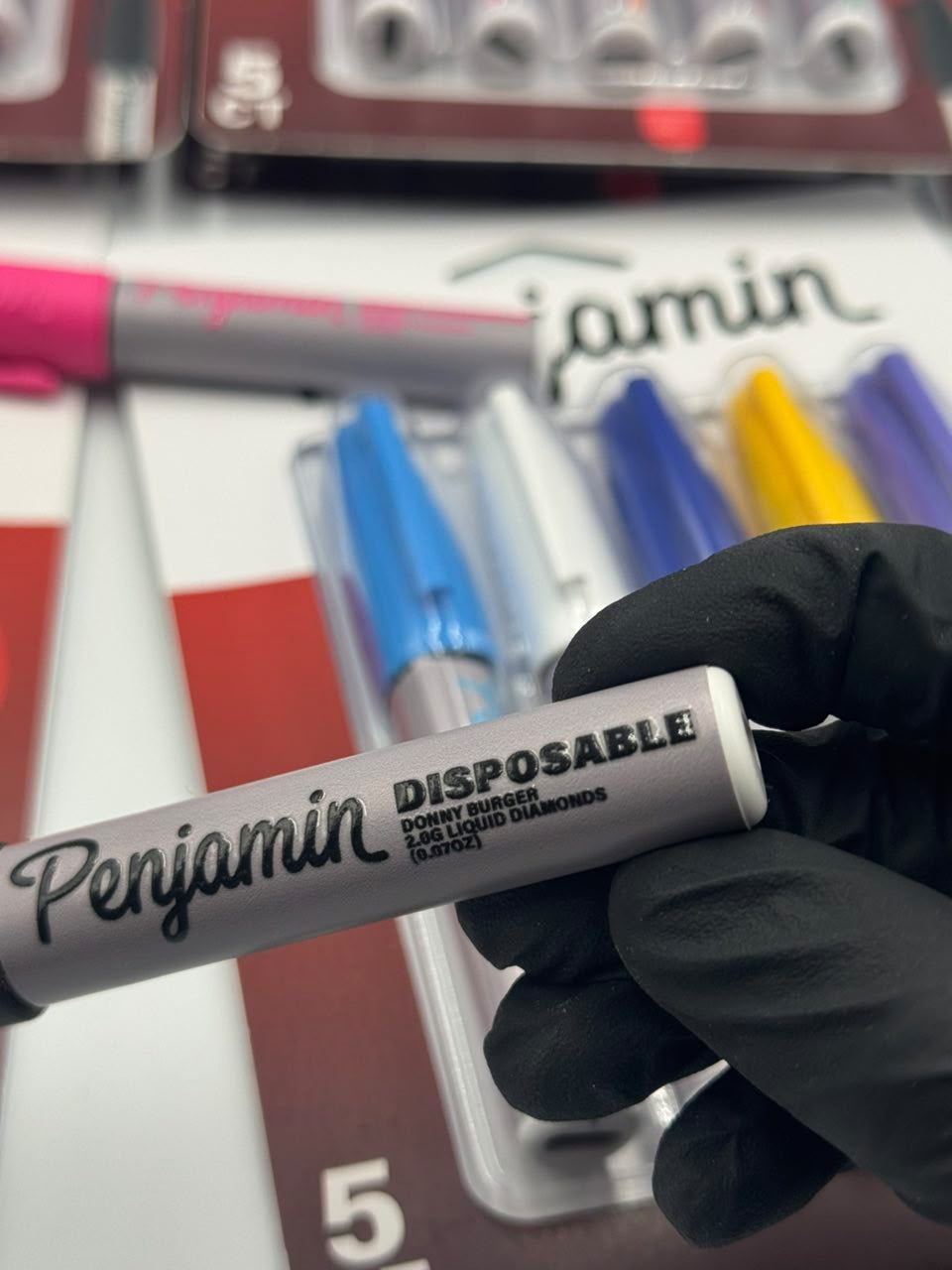
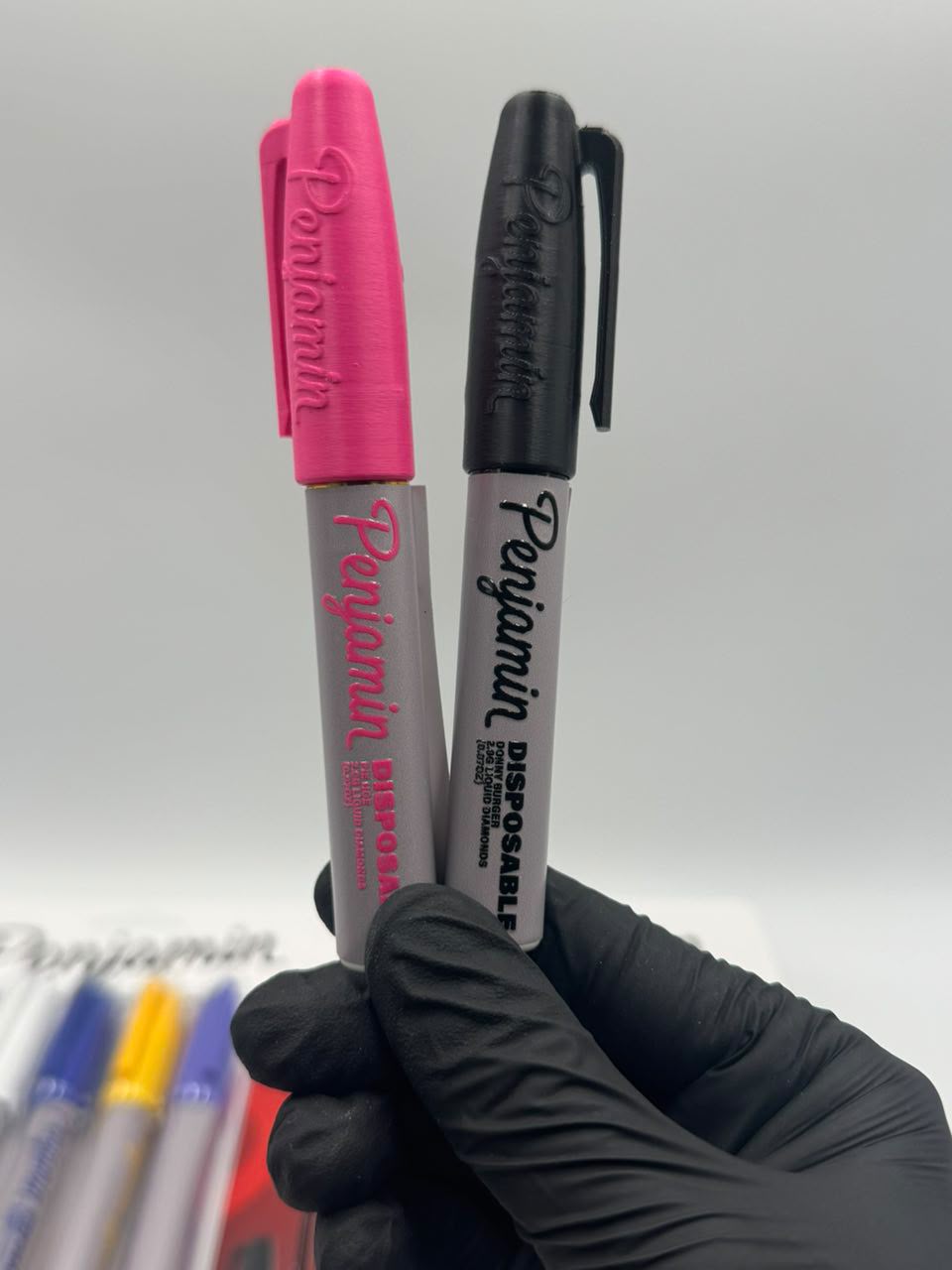
For the Penjamin 2G Disposable, photographs should represent the actual product being discussed. If a listing uses a generic image, that fact should be made clear.
A useful product image collection may include:
-
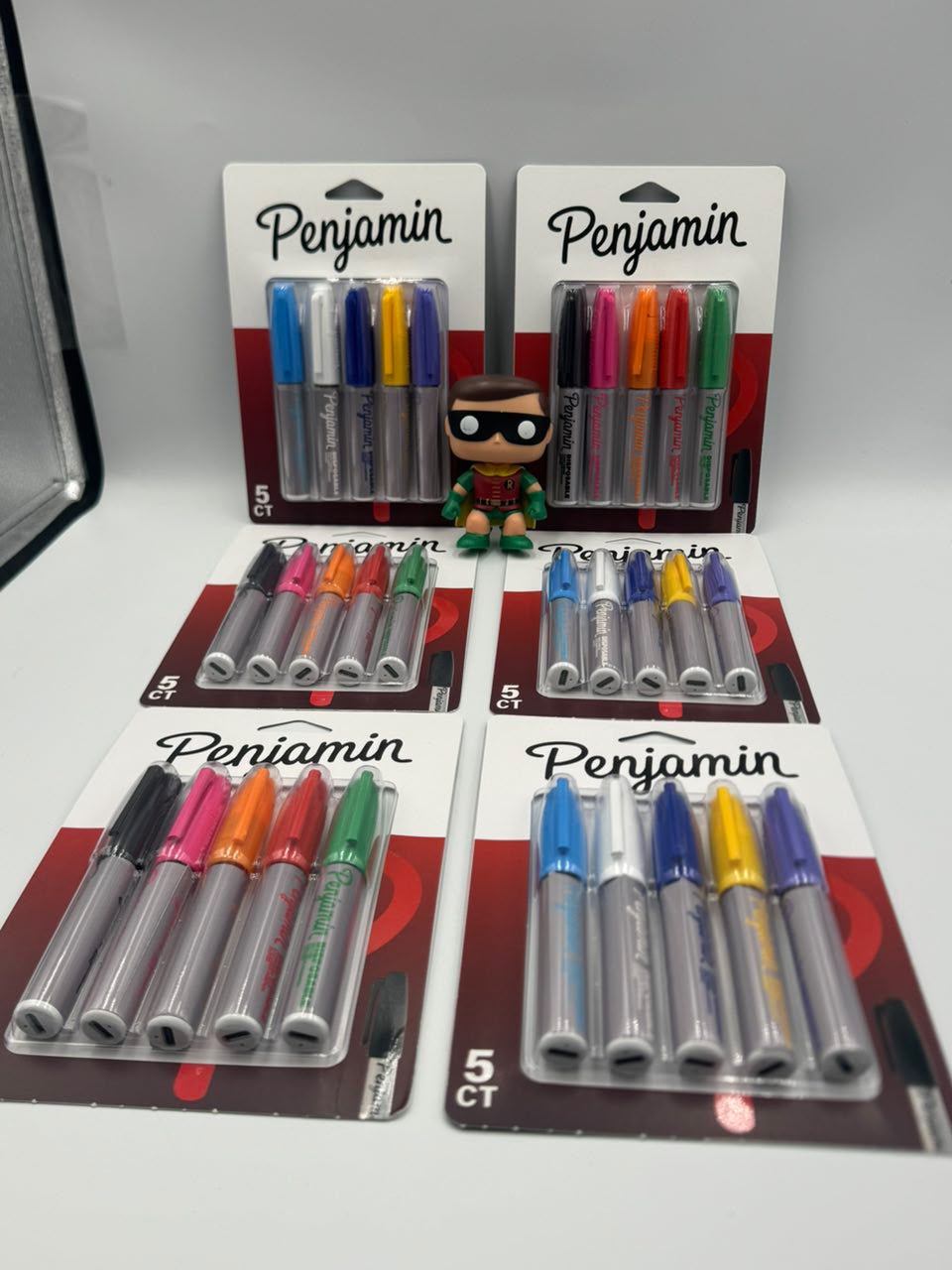
A clear photograph of the complete package.
-
A readable view of the product label.
-
A photograph showing the model designation.
-
An image of relevant manufacturer information.
-
A view of any printed warnings and instructions.
Image accuracy also supports search visibility because useful, relevant images improve the overall quality of a product page.
However, photographs should never be treated as proof of ingredients, authenticity, laboratory results, or electrical safety.
Responsible Online Product Descriptions
An effective product description should answer common questions while avoiding exaggerated claims. This is especially important when the listing concerns an electronic product with ingredients or components that require careful verification.
A balanced description should explain what the product name identifies, what information is available, and which specifications require confirmation.
For example, statements about battery life, charging time, component materials, and manufacturing standards should only be included when reliable records support them.
Likewise, claims about purity, quality, performance, or safety should not be presented as established facts without appropriate evidence.
A transparent description can still provide substantial value through clear explanations of product identification, documentation, packaging, and general electronic safety.
Consumer Awareness and Product Verification
Consumer awareness begins with careful examination of available information. Before accepting an online listing as accurate, readers should compare the product page with the manufacturer’s published details.
Differences in spelling, model numbers, packaging, and stated quantities may indicate that two listings refer to different products.
The following questions can help guide an information review:
-
Does the product name match the original packaging?
-
Is the manufacturer clearly identified?
-
Are the quantity details explained?
-
Is there a traceable batch number?
-
Are ingredient details available?
-
Can laboratory documentation be independently verified?
-
Are the safety warnings clearly presented?
-
Does the product photograph match the listed model?
These questions create a consistent approach to evaluating online product information.
Moreover, they help separate factual product details from assumptions that may appear in third-party descriptions.
Storage, Environmental Responsibility, and Waste Management
Disposable electronic products raise environmental questions because their construction may involve batteries, plastics, metals, and electronic components.
These materials should not automatically be treated as ordinary household waste. Battery-containing products can present fire risks when damaged, crushed, or disposed of incorrectly.
Consumers should follow local electronic-waste collection guidance whenever available. They should also avoid dismantling sealed electronic devices to separate their internal materials.
Responsible waste management involves several important principles:
-
Keep damaged batteries away from heat and combustible materials.
-
Do not puncture or crush electronic housings.
-
Follow local collection and recycling instructions.
-
Keep discarded devices away from children and animals.
-
Avoid placing damaged battery products into unsuitable waste containers.
-
Use authorized waste-management services where available.
Although individual products may appear small, responsible disposal becomes increasingly important as disposable electronics become more common.
Understanding Health and Safety Information
Product descriptions should also provide clear health and safety information whenever a product category involves inhalable substances.
The potential health effects of vaping products depend on their ingredients, concentration, contamination status, and other factors. A product name or advertised quantity cannot establish that a product is safe.
Some substances may irritate the respiratory system, while undisclosed ingredients or contaminants can introduce additional risks. Product descriptions should not promise that a particular device or formulation prevents these concerns.
People with existing respiratory concerns, young people, and pregnant individuals should be especially cautious about exposure to vaping products. Keeping such products away from children and pets is also important.
If someone experiences severe breathing problems, chest pain, fainting, or another serious reaction after exposure, they should seek urgent medical attention.
Frequently Asked Questions About Product Information
What information should a Penjamin 2G Disposable product page contain?
A useful page should include the complete product name, verified quantity information, manufacturer details, relevant packaging information, ingredient disclosures, and appropriate safety warnings.
Does the 2G designation describe battery capacity?
No. Grams measure mass, while battery capacity is generally expressed in milliamp-hours. These measurements describe different properties.
Can product photographs confirm authenticity?
No. Photographs can help with visual identification, but authenticity requires verifiable manufacturer or distribution information.
Why are batch numbers important?
Batch numbers help connect a particular product to manufacturing and testing records. They can also support traceability when a product concern arises.
Should unverified specifications be included in an online description?
No. Technical claims should be supported by reliable documentation. Unknown specifications should be identified as unconfirmed.
Can the exterior appearance establish electronic safety?
No. Internal components and manufacturing standards cannot be fully assessed through exterior inspection.
How should electronic disposable products be discarded?
Follow local electronic-waste and battery collection instructions. Avoid dismantling or crushing sealed devices.
The Importance of Clear Product Information
Clear product information benefits consumers, manufacturers, retailers, and online publishers. It creates a more dependable environment in which readers can distinguish confirmed details from unsupported statements.
For a listing such as Penjamin 2G Disposable, this means maintaining consistency across the title, description, photographs, specifications, and packaging information.
It also means avoiding unnecessary repetition. Every section should contribute something useful, whether that involves explaining terminology, discussing documentation, identifying safety concerns, or describing responsible disposal.
A well-structured product page should make information easy to understand. Short paragraphs, descriptive headings, and direct answers to common questions can improve readability without sacrificing important details.
penjamin 2g disposablepenjamin 2g disposable penjamin 2g disposable penjamin 2g disposable penjamin 2g disposable penjamin 2g disposable penjamin 2g disposable penjamin 2g disposable penjamin 2g disposable penjamin 2g disposable penjamin 2g disposable penjamin 2g disposable penjamin 2g disposable penjamin 2g disposable penjamin 2g disposable penjamin 2g disposable penjamin 2g disposable penjamin 2g disposable
Furthermore, factual writing creates a stronger foundation for long-term content quality. Instead of relying on exaggerated claims, publishers can build useful pages around transparency, accurate terminology, and consumer education.
Final Conclusion
The Penjamin 2G Disposable can be researched through several important areas, including product identification, packaging, quantity information, electronic construction, manufacturer transparency, and general safety considerations.
penjamin 2g disposablepenjamin 2g disposable penjamin 2g disposable penjamin 2g disposable penjamin 2g disposable penjamin 2g disposable penjamin 2g disposable penjamin 2g disposable penjamin 2g disposable penjamin 2g disposable penjamin 2g disposable penjamin 2g disposable penjamin 2g disposable penjamin 2g disposable penjamin 2g disposable penjamin 2g disposable penjamin 2g disposable penjamin 2g disposable.
The 2G designation provides a starting point, but it does not establish every product specification. Therefore, manufacturer documentation and verifiable labeling remain essential when describing the item accurately.















Reviews
There are no reviews yet.