




Hitz Hitzquiat 2G Disposable: Product Overview, Device Design, and Consumer Information
Introduction to Hitz Hitzquiat 2G Disposable
The hitz hitzquiat 2g disposable is a name associated with the disposable cannabis vaporizer category, a product segment that combines a compact electronic device with an integrated reservoir and heating system. These products are generally designed as single-unit devices, meaning the reservoir, battery, and heating components are housed within one assembly. Consequently, understanding the device’s construction, labeling, and safety information can help consumers make more informed decisions.
Disposable vaporizers have become a recognizable part of the broader vaporizer market. However, product names, packaging designs, and advertised specifications may vary between sellers and manufacturers. For that reason, product identification should rely on verified packaging information, batch details, and independent testing rather than branding alone.
The Hitz Hitzquiat 2G Disposable name references a two-gram product designation. Nevertheless, the number printed on a package should not automatically be treated as proof of the contents, product quality, or performance. Instead, consumers should verify the information through reliable documentation whenever possible.
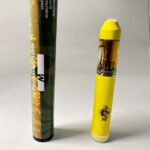
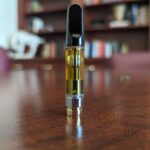
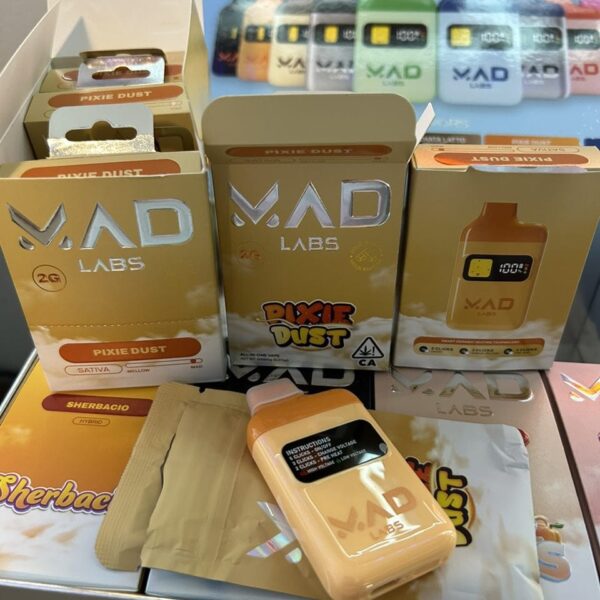
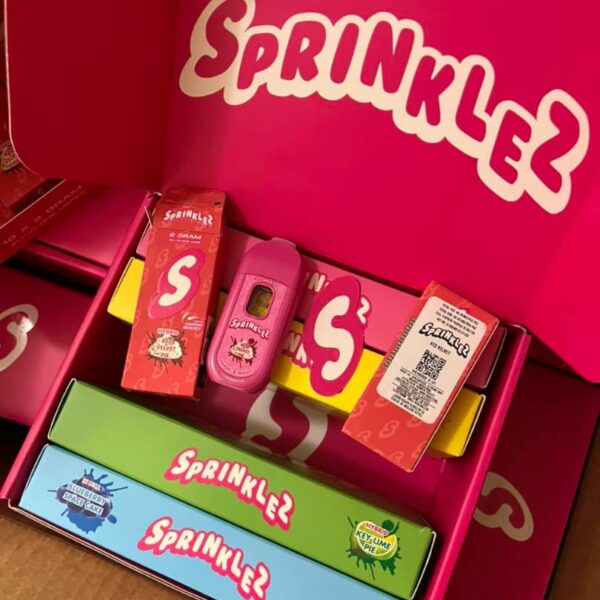
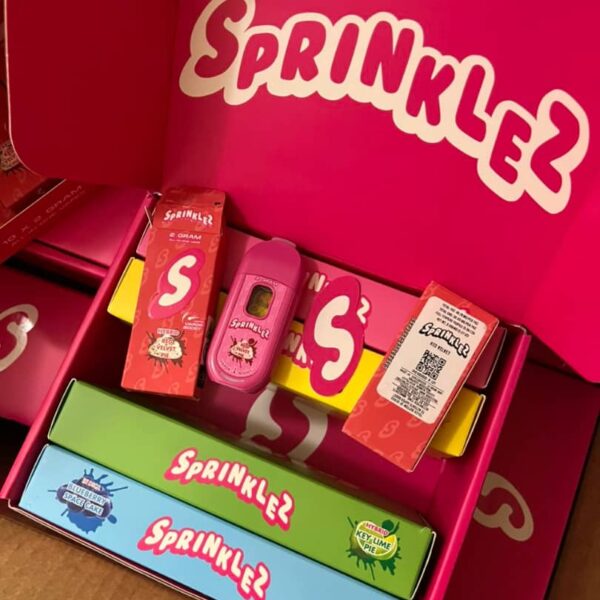
hitz hitzquiat 2g disposable
Understanding the Disposable Device Format
Disposable vaporizer products typically combine several electronic components within a compact housing. Although the external appearance may differ, many devices share a similar general construction.
Integrated housing
The housing contains and protects the internal components. Depending on the design, it may incorporate plastic, metal, or other materials intended to support the device’s structure.
Furthermore, the exterior may include branding, printed labels, indicators, or other visual elements. These features can help identify a particular product design, although they do not establish authenticity.
Electronic components
A disposable vaporizer commonly contains an electronic circuit, a battery, and a heating assembly. These components work together as part of the device’s electrical system.
However, the internal components may not be accessible to the consumer. Therefore, opening, dismantling, or attempting to repair a disposable device can introduce unnecessary risks.
Reservoir and internal assembly
The reservoir is generally the component that holds the material associated with the product. Its size, internal arrangement, and construction may vary among models.
In addition, internal assemblies can differ even when two devices have similar external designs. A product’s appearance alone cannot confirm its construction, materials, or manufacturing standards.
The Meaning of the 2G Product Label
The term 2G is commonly used in product descriptions to refer to a stated two-gram quantity. Still, consumers should distinguish between a printed specification and a verified measurement.
Product labels can provide useful information, including:
-
The stated product quantity
-
Manufacturer or distributor information
-
Batch or lot identification
-
Manufacturing or packaging details
-
Laboratory-testing information, where applicable
-
Applicable safety warnings
-
Storage and handling information
Moreover, labels should be reviewed carefully because packaging claims may not always be independently verified. When documentation is available, it should correspond to the exact batch or lot number associated with the product.

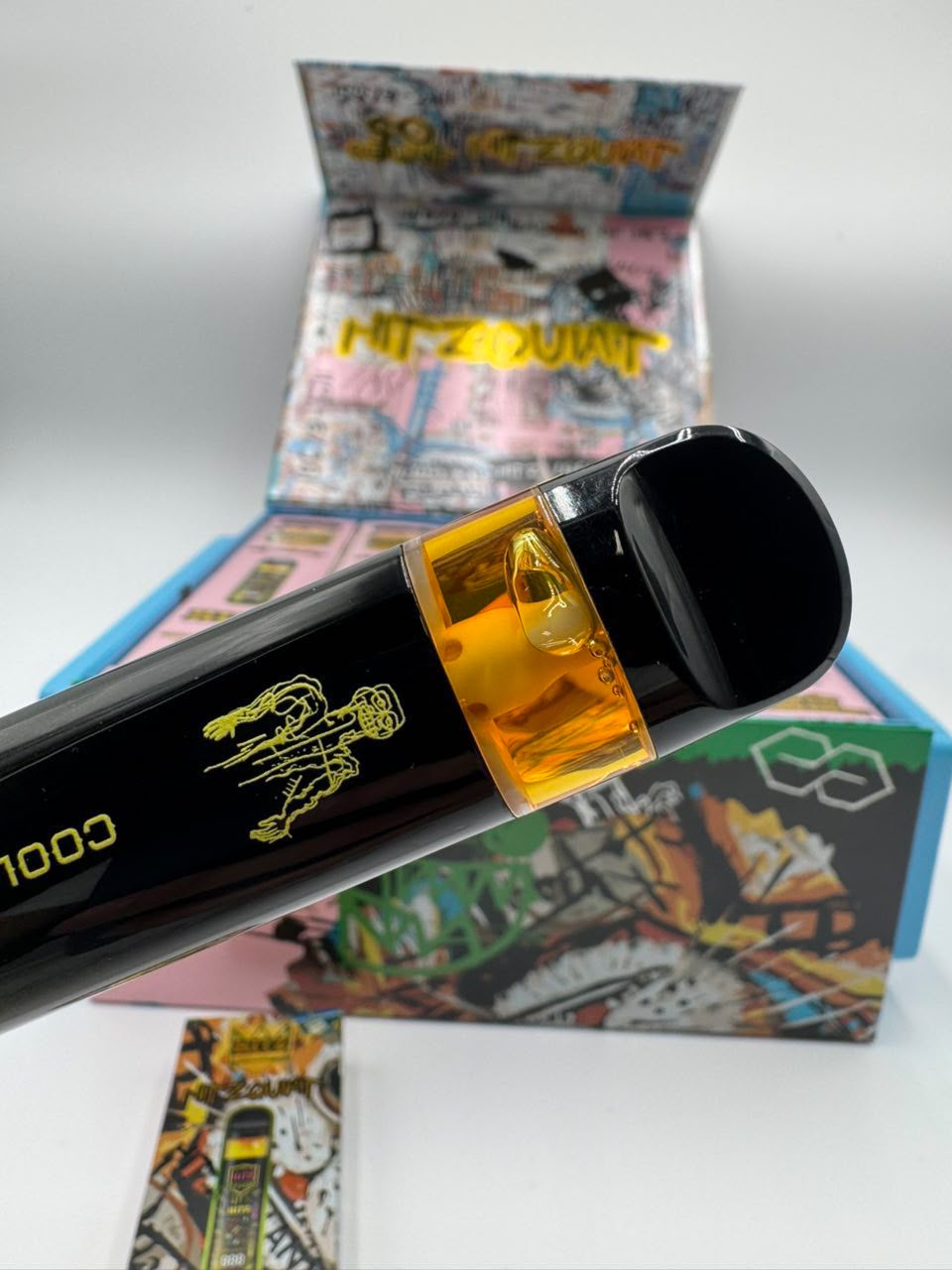
hitz hitzquiat 2g disposable
Design and Exterior Appearance
The appearance of a disposable device may be one of its most noticeable identifying features. Branding, color combinations, graphics, and packaging presentation can distinguish one product from another.
Nevertheless, exterior design is primarily an identification feature. It does not independently demonstrate the quality, reliability, composition, or safety of the contents.
Compact form factor
Disposable devices are generally constructed around a compact format. This arrangement places multiple components within a relatively small housing.
However, compact construction can make internal inspection difficult. Consequently, visible damage, loose parts, unusual odors, or unexplained leakage should not be ignored.
Product identification
The name Hitz Hitzquiat may appear on product packaging or related marketing materials. Yet brand names and visual presentation can be copied.
Therefore, consumers should avoid relying exclusively on logos, colors, graphics, or online photographs when assessing product identity.
Quality Verification and Product Authenticity
Product verification is an important consideration in markets where packaging and product names can be reproduced. Even a professionally printed label does not establish the identity of the contents.
Where legally available, consumers should look for credible information from licensed suppliers and independent testing organizations.
Verification may involve examining:
-
Batch or lot numbers
-
Manufacturer details
-
Laboratory documentation
-
Packaging consistency
-
Applicable regulatory information
-
Supplier licensing or authorization
Additionally, laboratory reports should be reviewed for their scope, date, and connection to the specific product batch. A generic certificate that does not match the product may provide limited assurance.

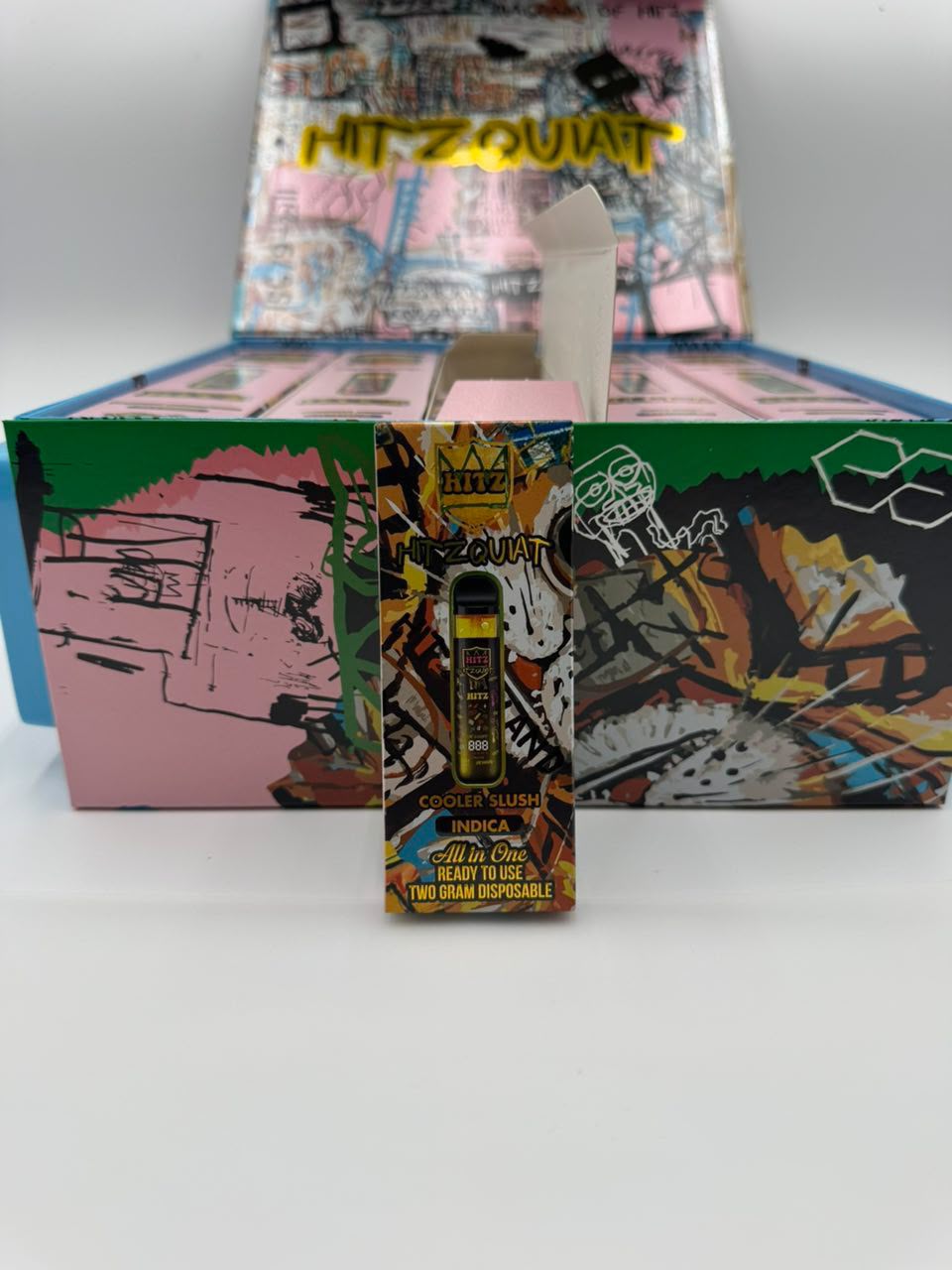
hitz hitzquiat 2g disposable
Responsible Handling and Storage
Electronic disposable products require careful handling. This is particularly important because their compact housings may contain batteries and other electrical components.
Avoid damaged products
A device with a cracked housing, leaking material, unusual heat, or visible battery damage should not be used. Likewise, a device that appears to have been tampered with deserves caution.
Protect against heat
Extreme temperatures can affect electronic components and the materials contained within a device. For that reason, disposable electronic products should not be left in hot vehicles, near direct sunlight, or close to heat sources.
Keep away from children and pets
Cannabis-containing products can pose serious risks to children and animals. Accordingly, products should be kept securely stored, away from food, and inaccessible to children and pets.
Avoid unnecessary dismantling
Opening a disposable device can expose its internal electrical components and potentially create battery-related hazards. Instead, damaged products should be handled according to applicable safety and disposal guidance.
Battery and Electronic Safety
The battery is an important part of the construction of many disposable vaporizer devices. Although batteries allow electronic components to operate, they can also present risks if damaged, improperly handled, or exposed to unsuitable conditions.
For example, puncturing or crushing a battery can cause dangerous damage. Similarly, excessive heat or improper charging equipment may increase the risk of malfunction.
Consumers should follow the manufacturer’s instructions where available and avoid modifying the device’s electrical components.
In addition, disposable electronic products should not automatically be placed in ordinary household waste. Local battery and electronic-waste collection programs may provide safer disposal options.
Understanding Product Claims
Product descriptions sometimes contain statements about quality, composition, performance, or manufacturing. However, such statements should be evaluated carefully.
Words such as premium, authentic, advanced, pure, or high-quality are not independent proof of a product’s characteristics.
Instead, reliable information generally requires appropriate documentation, transparent manufacturing information, and testing performed by qualified independent laboratories where applicable.
Furthermore, product appearance and packaging should not be used as substitutes for laboratory verification.
Frequently Asked Questions
What does Hitz Hitzquiat 2G Disposable mean?
The name refers to a product identified within the disposable cannabis vaporizer category. The 2G designation commonly represents a stated two-gram quantity, although the label should be verified.
Is the Hitz Hitzquiat 2G Disposable rechargeable?
Rechargeability can vary between product designs. The specific device’s packaging or manufacturer documentation should be consulted rather than assuming that all similarly named products have identical electrical features.
How can a consumer verify product authenticity?
Verification may involve checking batch identification, supplier information, laboratory documentation, and applicable licensing details. Packaging appearance alone cannot establish authenticity.
How should a disposable device be stored?
Electronic disposable products should be protected from excessive heat, physical damage, and moisture. Cannabis-containing products must also be securely stored away from children and pets.
What should happen if the device appears damaged?
A damaged, leaking, unusually hot, or malfunctioning device should not be used. Consumers should avoid opening it and follow appropriate safety and disposal guidance.
Can packaging confirm the quality of a product?
No. Packaging can provide identification and labeling information, but it cannot independently establish composition, safety, or quality.
The Hitz Hitzquiat 2G Disposable falls within the disposable vaporizer product category, which generally combines a compact housing, electronic components, a battery, and an integrated reservoir. Understanding these basic characteristics provides a useful starting point for examining the product.
However, branding and printed specifications should not be treated as proof of product identity or quality. Instead, consumers should prioritize verified documentation, applicable regulations, responsible handling, battery safety, and secure storage.
Hitz Hitzquiat 2G Disposable: Additional Product Information, Technology, Labeling, and Consumer Awareness
Exploring the Broader Disposable Vaporizer Market
The disposable vaporizer market has evolved considerably as electronic products have become smaller and more integrated. Manufacturers across the industry have explored different housing materials, electronic layouts, indicator systems, and packaging styles. Consequently, consumers encounter a wide range of products that share similar general characteristics but may differ in construction, documentation, and manufacturing quality.
The Hitz Hitzquiat 2G Disposable name can be discussed within this broader category of compact electronic vaporizer products. However, understanding the category does not necessarily establish the specifications of a particular device. Product-specific claims should always be supported by reliable information.
Moreover, the growing availability of different product designs makes it increasingly important to understand the distinction between appearance, technology, and verified product characteristics.
Electronic Device Construction and Component Awareness
An electronic vaporizer is generally composed of several interconnected parts. Each component contributes to the device’s overall structure, although the exact configuration varies according to the manufacturer’s design.
The exterior shell
The exterior shell provides a protective structure around the internal assembly. It may also support printed graphics, product identification, and other visible design elements.
In compact electronics, the housing serves several practical purposes. It can help protect sensitive components from ordinary physical contact and provide a structure for holding the device. Nevertheless, the level of protection depends on the actual materials and construction.
A visually attractive shell does not automatically indicate superior manufacturing. Instead, appropriate material selection, assembly standards, and quality-control procedures are more meaningful considerations.
Internal electronic architecture
Electronic devices often contain circuitry that controls or manages the interaction between different components. Depending on the product design, these systems may involve electrical connections, control components, and indicator elements.
Because disposable products are often sealed, the internal architecture may not be visible. Therefore, consumers should avoid assuming that a device includes particular electronic features unless the manufacturer provides reliable specifications.
Furthermore, internal electronic components should not be modified by users. Attempting to alter the circuitry may introduce electrical hazards or damage the device.
Electrical connections and component integrity
The integrity of electrical connections is an important aspect of electronic product construction. Poor connections, damaged wiring, or compromised components can contribute to malfunction.
Although consumers cannot usually inspect these elements directly, visible signs of damage can provide reasons for caution. A cracked shell, exposed wiring, unusual heat, or signs of leakage should be taken seriously.
In addition, a device that behaves unexpectedly should not be treated as though its malfunction is harmless.
Product Packaging and Information Transparency
Packaging is an important part of product identification. It may contain the product name, manufacturer information, stated quantity, warnings, and other details relevant to consumers.
However, packaging quality can vary, and printed information is not always independently verified.
Reviewing product labels
A label should be examined for clarity, consistency, and completeness. Consumers may find the following information useful:
-
Product identification and stated quantity.
-
Manufacturer or distributor details.
-
Batch or lot number.
-
Applicable health and safety warnings.
-
Testing or certification information, where applicable.
-
Relevant storage instructions.
-
Regulatory information, where required.
Additionally, consumers should consider whether the information is consistent across the packaging and supporting documentation.
A missing batch number, unclear manufacturer information, or unverifiable testing claim may limit the ability to establish product identity.
The importance of batch identification
Batch identification helps connect a product to a particular manufacturing or packaging group. In regulated markets, this information can support traceability and product accountability.
For example, if a manufacturer identifies a particular batch as requiring additional investigation, batch numbers may help determine which products are affected.
Consequently, batch information is more than a decorative label. It can be an important part of product documentation and traceability.
Understanding laboratory documentation
Independent laboratory testing may help evaluate the composition of cannabis-containing products. However, testing documents must be interpreted carefully.
A useful report should identify the laboratory, the sample, the testing date, and the scope of the analysis. Moreover, the report should correspond to the specific product or batch being examined.
Testing claims should not be accepted automatically. A report that relates to a different product or batch may not provide meaningful evidence about the item in question.
Product Design and Consumer Expectations
The design of a compact electronic device can influence its general usability, portability, and physical handling. However, design considerations should be separated from claims about the effects of cannabis-containing materials.
Compact construction
Compact electronic devices generally aim to reduce the amount of space occupied by their components. This arrangement can make products easier to carry, although smaller construction may also limit the space available for internal components.
The physical size of a device does not independently establish its durability or quality.
Material considerations
The materials used in electronic product construction can influence weight, structural characteristics, and resistance to everyday physical contact.
However, consumers should not assume that a particular material has been used simply because a device looks metallic, plastic-based, or otherwise distinctive.
Manufacturing documentation remains the more reliable source of information.
Visual presentation
Product graphics, packaging colors, typography, and exterior styling are frequently used to distinguish one product from another.
Nevertheless, visual presentation is not a substitute for reliable identification. Counterfeit products may reproduce branding or packaging, which makes documentation and supplier verification especially important.
General Risk Awareness Regarding Cannabis Products
Cannabis-containing products may pose health risks. These risks can vary depending on the product’s composition, concentration, individual circumstances, and method of exposure.
Therefore, product descriptions should not imply that a product is safe, harmless, or suitable for everyone.
Individual differences
People may respond differently to cannabis exposure. Factors such as age, health, medications, individual sensitivity, and other circumstances can influence potential risks.
As a result, general product information cannot predict an individual’s response.
Impairment and everyday activities
Cannabis may impair attention, coordination, reaction time, judgment, and other functions necessary for everyday activities.
For this reason, people should not drive, operate machinery, or perform safety-sensitive tasks while impaired. Moreover, impairment can make certain activities dangerous even when someone feels capable of completing them.
Potential adverse experiences
Cannabis exposure can be associated with unwanted experiences, including anxiety, dizziness, confusion, nausea, impaired coordination, and changes in perception.
The experience may vary considerably between individuals. Consequently, a product’s name, appearance, or advertised quantity cannot establish how a person will respond.
Keeping products away from vulnerable groups
Cannabis products should be kept securely away from children, adolescents, and pets. Accidental exposure can be particularly dangerous for these groups.
Secure storage, clear separation from ordinary food, and responsible handling are important preventive measures.
Responsible Product Information for Online Retail Pages
Online product descriptions should present factual information clearly and avoid claims that cannot be verified. This is especially important when describing products associated with cannabis.
A responsible product page can include information about product identification, packaging, documentation, applicable legal restrictions, and safety considerations.
Avoiding unsupported statements
Claims about purity, potency, quality, authenticity, or performance should not be presented as established facts without supporting evidence.
Similarly, claims about medical benefits should not be made without appropriate evidence and legal authorization.
A balanced description can still explain the general product category, identify the relevant packaging information, and provide clear consumer guidance.
Clear product identification
A product page should clearly identify the item being discussed. Where product-specific details cannot be verified, the page should avoid inventing specifications.
This approach helps prevent confusion between products that may have similar names or packaging.
Transparent information
Transparency is useful when information is incomplete. Rather than presenting uncertain claims as facts, a description should identify what is known and what requires confirmation.
For example, a seller should not claim that a product has undergone laboratory testing unless the relevant documentation can be provided and verified.
Electronic Waste and Environmental Considerations
Disposable electronic devices present environmental considerations because they may contain batteries, electrical components, and materials that require appropriate disposal.
Although the word disposable suggests a product intended for limited use, it does not mean the device should automatically be discarded in ordinary waste.
Battery disposal
Battery-containing electronics may require special handling. Damaged batteries, in particular, can create fire or environmental risks.
Where available, battery collection programs and electronic-waste facilities may offer more appropriate disposal options.
Reducing environmental risks
Responsible disposal helps reduce the possibility that electronic components will enter inappropriate waste streams.
hitz hitzquiat 2g disposable hitz hitzquiat 2g disposable hitz hitzquiat 2g disposable hitz hitzquiat 2g disposable hitz hitzquiat 2g disposable hitz hitzquiat 2g disposable hitz hitzquiat 2g disposable hitz hitzquiat 2g disposable hitz hitzquiat 2g disposable hitz hitzquiat 2g disposable hitz hitzquiat 2g disposable hitz hitzquiat 2g disposable hitz hitzquiat 2g disposable hitz hitzquiat 2g disposable hitz hitzquiat 2g disposable hitz hitzquiat 2g disposable.
Furthermore, consumers should avoid dismantling sealed devices to separate their components unless they have the appropriate expertise and equipment.
Environmental awareness
The environmental impact of electronic products can extend beyond their immediate use. Materials, manufacturing, transportation, and disposal may all contribute to the broader environmental footprint.
Therefore, awareness of electronic waste is an important consideration when evaluating disposable products.












Reviews
There are no reviews yet.