





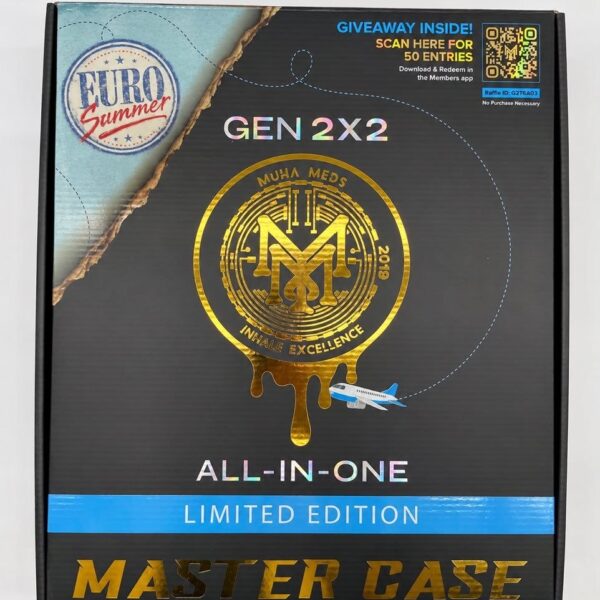
HollowTips V2 2G Disposable: Product Overview, Device Design, Technology, and Technical Features
Introduction to the HollowTips V2 2G Disposable
The hollowtips v2 2g disposable is a product name associated with a portable, single-use vaporizer format. Its name identifies two important details: the V2 designation, which suggests a second version or product generation, and the 2G capacity reference, which describes the advertised material quantity.
For an accurate product description, it is important to separate confirmed information from assumptions. The name alone does not establish the device’s battery capacity, heating technology, charging method, airflow design, ingredients, cannabinoid concentration, or available variations. Those details should be confirmed through the manufacturer’s packaging or official technical documentation.
This guide examines the product from an informational perspective, focusing on disposable-device construction, component identification, labeling, manufacturing considerations, and responsible product information.
Understanding the V2 Product Designation
The term V2 commonly identifies a second version of a product. In consumer electronics, manufacturers use version numbers to distinguish product generations, updated components, revised exterior designs, or changes in manufacturing specifications.
However, a V2 label does not automatically prove that a device has a particular technical improvement.
When documenting the HollowTips V2 2G Disposable, product information should distinguish between:
-
Confirmed changes from an earlier version.
-
Changes to the exterior housing or packaging.
-
Updates to internal electronic components.
-
Differences in product dimensions.
-
Changes to the stated material capacity.
-
New manufacturing or quality-control specifications.
Without official documentation, these details should remain unconfirmed rather than being presented as established product features.

hollowtips v2 2g disposable
Understanding the 2G Capacity Reference
The 2G designation refers to an advertised quantity of two grams. This is a measurement of mass, not a measurement of battery capacity, device weight, or vapor output.
Several measurements are often confused in product listings:
Material quantity: The stated mass of material associated with the product.
Battery capacity: The electrical capacity of the power source, commonly expressed in milliamp-hours (mAh).
Device weight: The combined weight of the housing, battery, electronic components, and contents.
Physical dimensions: The length, width, and thickness of the complete device.
These measurements describe different properties. Therefore, a technically accurate product listing should identify each one separately when the manufacturer provides the information.
Disposable Device Construction
A disposable vaporizer generally combines several components inside a compact enclosure. Although designs differ between manufacturers, common component categories include:
Outer Housing
The housing protects internal components and provides the device’s external structure. It may contain the battery, electronic connections, internal chamber, and airflow passages.
Materials vary between manufacturers. Plastic, metal, and composite materials are commonly used in small electronic-device construction.
Internal Power Source
A battery supplies electrical energy to the device’s electronic system. Its specifications determine important electrical characteristics, including nominal voltage and available capacity.
A product listing should not assign a specific battery rating unless that information appears in verified manufacturer documentation.
Heating Assembly
Electronic vaporizer designs may use a heating assembly that converts electrical energy into heat. Different manufacturers use different materials and construction methods.
The precise heating element used in the HollowTips V2 should be confirmed before describing it as ceramic, mesh, or another specific technology.
Airflow Components
Airflow components form the internal passage through which air moves. Their design can involve openings, channels, seals, and internal connections.
Product documentation should distinguish confirmed airflow specifications from general descriptions of disposable-device construction.
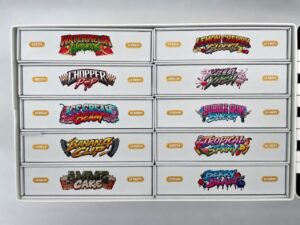
hollowtips v2 2g disposable
Mouthpiece and External Openings
The mouthpiece forms part of the external housing. Its dimensions, material, and construction may differ between product versions.
These details can help identify physical design differences, but they should be documented using actual product photographs or manufacturer specifications.
Product Identification and Authenticity
Product identification is an important part of responsible catalog management. Similar product names, packaging styles, and version numbers can create confusion between unrelated manufacturers or product variations.
For the HollowTips V2 2G Disposable, useful identification information includes:
-
Full printed product name.
-
Manufacturer or responsible brand owner.
-
Model or version designation.
-
Batch or lot number.
-
Manufacturing date, where supplied.
-
Packaging identifiers.
-
Applicable laboratory documentation.
-
Regulatory warnings and required labeling.
A product’s appearance alone cannot establish its authenticity or contents. Where verification is available, the relevant manufacturer or authorized distributor should be consulted.
Laboratory Testing and Product Documentation
Laboratory documentation can help establish what a product contains and whether it meets applicable testing requirements.
Depending on the product category and jurisdiction, relevant documentation may address:
-
Ingredient identification.
-
Cannabinoid measurements.
-
Contaminant screening.
-
Pesticide testing.
-
Heavy-metal screening.
-
Residual-solvent testing.
-
Microbial testing.
-
Batch identification.
A certificate of analysis should correspond to the specific batch being documented. A generic laboratory report or unrelated certificate should not be presented as proof of a particular product’s composition.
Packaging and Labeling Information
Packaging serves several purposes, including product identification, storage protection, traceability, and communication of required warnings.
A responsible product information page should record only details that can be verified from the actual packaging.
Important information may include:
-
Product name and model.
-
Advertised quantity.
-
Manufacturer information.
-
Batch identification.
-
Ingredient declaration.
-
Laboratory documentation.
-
Applicable age restrictions.
-
Health and safety warnings.
-
Storage instructions.
-
Disposal information.
Where information is missing, a product listing should say so rather than filling the gaps with assumptions.
Battery and Electronic Device Safety
Disposable electronic devices contain electrical components that require careful handling. Battery damage, excessive heat, physical impact, and exposure to moisture can create safety concerns.
For general battery safety:
-
Do not use a device with a swollen, cracked, or damaged housing.
-
Keep electronic devices away from excessive heat.
-
Avoid exposure to water and other liquids.
-
Do not puncture or dismantle the battery.
-
Do not place damaged batteries in ordinary household waste.
-
Follow applicable local electronic-waste disposal guidance.
The correct disposal method depends on the battery type and local waste-management rules.
Frequently Asked Questions
What is the HollowTips V2 2G Disposable?
It is a product identified by the HollowTips V2 2G Disposable name. The name indicates a V2 designation and an advertised 2G quantity, but additional specifications require manufacturer confirmation.
What does V2 mean?
V2 generally refers to a second version or generation. It does not independently confirm which components or specifications have changed.
What does 2G mean?
The 2G designation refers to an advertised quantity of two grams. It does not describe battery capacity or device dimensions.
What type of heating technology does it use?
The specific heating technology should be confirmed through official product documentation. It should not be assumed from the product name.
Does the product have a rechargeable battery?
The product name does not establish whether the battery is rechargeable. The packaging or manufacturer’s technical specifications should provide that information.
Where can its ingredients and laboratory results be verified?
The appropriate sources are batch-specific laboratory documentation and the manufacturer’s product information.
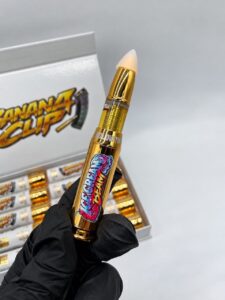
hollowtips v2 2g disposable
HollowTips V2 2G Disposable: Extended Technical and Product Information Guide
Understanding Product Specifications and Technical Accuracy
A detailed product profile should explain more than the name printed on the packaging. Technical specifications help readers understand the physical characteristics, construction, identification details, and limitations of an electronic device.
For the HollowTips V2 2G Disposable, the available product name identifies the V2 version and an advertised two-gram quantity. However, additional technical information should come from reliable product documentation.
A complete specification sheet may include:
-
Product model and manufacturer.
-
Advertised material quantity.
-
Overall device dimensions.
-
Net product weight.
-
Battery chemistry and capacity.
-
Housing materials.
-
Internal electronic components.
-
Manufacturing batch information.
-
Packaging and labeling details.
-
Applicable safety documentation.
These details create a more useful product record. Furthermore, they help prevent confusion between different versions or similarly named products.
The Importance of Consistent Manufacturing
Manufacturing consistency is an important consideration for electronic consumer products. A well-documented manufacturing process helps ensure that individual units meet established design and quality requirements.
Several stages contribute to manufacturing consistency.
Component Selection
Electronic devices contain multiple components that must fit together within a defined physical structure. Manufacturers establish component requirements to support compatibility and consistent assembly.
Material selection also matters. The durability, dimensions, and electrical characteristics of individual components influence the overall construction of a finished device.
Assembly Standards
Assembly procedures establish how components are positioned and connected. Manufacturers may use automated equipment, manual inspection, or a combination of both.
A documented assembly process helps identify production differences and provides a basis for quality checks.
Quality Inspection
Inspection procedures can identify visible defects, damaged packaging, inconsistent labeling, and component problems.
However, visual inspection alone cannot establish the chemical composition or laboratory quality of a product. Those questions require appropriate testing and documentation.
Understanding Electronic Components
Small electronic devices often combine electrical, mechanical, and structural elements in a compact enclosure.
Although exact HollowTips V2 components have not been independently confirmed, the following categories explain common elements found in portable electronic products.
Electrical Connections
Electrical connections allow energy to move between the battery and other electronic components. Their design depends on the device’s electrical requirements and internal layout.
Connection quality is important because poorly manufactured electrical connections can contribute to inconsistent operation or component failure.
Circuit Protection
Some electronic devices include protective electronic systems. Depending on their design, these systems may monitor electrical conditions and help prevent certain faults.
The presence and capabilities of any protection system in the HollowTips V2 should be verified through manufacturer documentation.
Internal Insulation
Insulating materials separate electrical components and help prevent unwanted contact between conductive surfaces.
Their selection depends on operating conditions, material compatibility, and the manufacturer’s design standards.
Structural Supports
Internal supports help maintain component positions inside the housing. They can also reduce unwanted movement caused by ordinary handling.
The specific materials and construction methods vary between manufacturers.
Product Dimensions and Ergonomic Design
Physical dimensions influence how a compact electronic product fits into its packaging and how easily it can be stored.
A complete dimensional record generally includes:
-
Overall length.
-
Maximum width.
-
Maximum thickness.
-
Mouthpiece dimensions, where applicable.
-
External housing material.
-
Total packaged weight.
-
Individual device weight.
Ergonomic design refers to how the shape and physical arrangement of a product relate to human handling. Designers may consider rounded edges, surface texture, weight distribution, and the placement of external features.
Nevertheless, ergonomic quality should be assessed through actual measurements and product inspection rather than assumptions based on a product name.
Packaging Materials and Product Protection
Packaging protects products during transportation, storage, and distribution. It also provides space for product identification and required information.
Different packaging materials serve different purposes.
Paperboard packaging: Commonly used for printed product information and exterior presentation.
Protective inserts: Help keep individual components positioned within a package.
Protective films: May provide an additional barrier against dust or external contamination.
Printed labels: Communicate product identification, batch information, warnings, and other relevant details.
Packaging claims should accurately describe the materials used. For example, a product should not be labeled recyclable or environmentally friendly unless the relevant packaging materials and local recycling conditions support that statement.
Batch Numbers and Traceability
Traceability allows products to be connected with their manufacturing and distribution records.
A batch number is especially useful because it helps distinguish one production group from another.
A well-organized product record may connect a batch number with:
-
Manufacturing records.
-
Quality-control documentation.
-
Ingredient information.
-
Laboratory reports, where applicable.
-
Packaging records.
-
Distribution information.
-
Product recall notices, if necessary.
This information can make it easier to investigate reported defects or documentation problems.
For online product catalogs, batch information should be handled carefully. Public pages should not expose confidential manufacturing or distribution records unless disclosure is authorized.
Storage Conditions and Material Stability
Storage conditions can influence the condition of electronic devices and their packaging.
Temperature, humidity, direct sunlight, and physical pressure may affect different materials in different ways.
For general electronic-device storage, consider the following points:
-
Keep products in a cool, dry environment.
-
Avoid prolonged exposure to direct sunlight.
-
Protect packaging from excessive moisture.
-
Avoid placing heavy objects on delicate enclosures.
-
Keep damaged electronic products separate from undamaged items.
-
Follow manufacturer-specific storage instructions.
Storage recommendations for any contents inside a device must come from the relevant manufacturer. General electronic storage guidance should not be mistaken for verified instructions about the product’s internal material.
Product Information and Consumer Transparency
Transparent product information helps readers distinguish between confirmed specifications and marketing language.
For example, descriptions such as “advanced heating system,” “high-capacity battery,” or “improved airflow” should not appear as factual claims without supporting documentation.
A stronger product information page uses specific, verifiable statements.
| Information category | Recommended documentation |
|---|---|
| Product identity | Printed product name |
| Version | Manufacturer model designation |
| Quantity | Verified packaging declaration |
| Battery | Manufacturer specification |
| Materials | Official materials information |
| Dimensions | Measured product specifications |
| Testing | Applicable laboratory report |
| Manufacturer | Verified company details |
| Safety | Official warnings and instructions |
This structure creates a reliable foundation for product descriptions, product databases, and technical catalogs.
Environmental Considerations
Disposable electronic products create waste because their components may include plastics, metals, electronic circuits, and batteries.
These materials can require different disposal processes. Consequently, ordinary household waste may not be suitable for every component.
Electronic-waste management can involve collection programs, battery recycling facilities, and specialized processing services.
Environmental considerations include:
-
Battery recovery.
-
Electronic component recycling.
-
Plastic waste management.
-
Packaging material reduction.
-
Manufacturing waste control.
-
Transportation and distribution impacts.
The environmental impact of an individual product depends on its materials, manufacturing process, packaging, transportation, and disposal route.
A responsible product description should avoid unsupported claims about sustainability or environmental performance.
Differences Between Product Generations
Version numbers provide a convenient way to identify product generations. However, they do not explain the exact nature of a revision.
A manufacturer may introduce a new version to reflect changes in appearance, component sourcing, packaging, dimensions, or production methods.
A useful comparison between two versions should examine:
Exterior construction: Are the dimensions, housing materials, or physical appearance different?
Internal components: Does official documentation identify changes to the electronic assembly?
Packaging: Have labeling, batch identification, or protective materials changed?
Documentation: Are updated safety information and technical records available?
Compatibility: Does the manufacturer identify any differences in component compatibility?
Without verified information about an earlier HollowTips model, it would be inaccurate to claim that the V2 offers specific improvements over a previous generation.
hollowtips v2 2g disposable hollowtips v2 2g disposable hollowtips v2 2g disposable hollowtips v2 2g disposable hollowtips v2 2g disposable hollowtips v2 2g disposable hollowtips v2 2g disposable hollowtips v2 2g disposable hollowtips v2 2g disposable hollowtips v2 2g disposable hollowtips v2 2g disposable hollowtips v2 2g disposable
Common Product Documentation Problems
Online product listings sometimes contain incomplete or inconsistent information. These problems can affect readers, distributors, and catalog managers.
Incorrect Capacity Statements
A listing may confuse the advertised material quantity with the total device weight. These measurements should always remain separate.
Missing Manufacturer Information
A product name does not necessarily identify the legal manufacturer. Listings should use verified company information.
Unverified Technical Claims
Claims about battery size, heating materials, and internal technology require supporting specifications.
Unclear Product Versions
A product may have several packaging variations or model identifiers. The exact version should be recorded rather than inferred from photographs.
Incomplete Testing Information
Laboratory references should identify the relevant batch and testing organization. Unrelated reports should never be attached to a product listing.
Building a Better Product Catalog Entry
A structured catalog entry makes product information easier to maintain.
For the HollowTips V2 2G Disposable, a catalog record could follow this format:
Product name: HollowTips V2 2G Disposable
Product category: Disposable electronic product
Version designation: V2
Advertised quantity: 2G
Manufacturer: Requires verification
Battery specifications: Requires manufacturer confirmation
Heating assembly: Requires manufacturer confirmation
Exterior materials: Requires manufacturer confirmation
Dimensions: Requires measurement or official documentation
Batch information: Refer to the original packaging
Testing documentation: Verify through applicable batch-specific records
Safety information: Follow official manufacturer instructions and applicable local requirements.
hollowtips v2 2g disposable hollowtips v2 2g disposable hollowtips v2 2g disposable hollowtips v2 2g disposable hollowtips v2 2g disposable hollowtips v2 2g disposable hollowtips v2 2g disposable hollowtips v2 2g disposable hollowtips v2 2g disposable hollowtips v2 2g disposable hollowtips v2 2g disposable hollowtips v2 2g disposable
This format keeps the product page organized while making missing information easy to identify.
Frequently Asked Questions About Product Information
Is HollowTips V2 a separate product version?
The V2 designation indicates a version label. Its precise differences from earlier models require manufacturer documentation.
Does the 2G designation describe the device’s weight?
No. It refers to the advertised quantity of material, not necessarily the complete device weight.
Can the battery capacity be determined from the product name?
No. Battery capacity must be confirmed through a technical specification or manufacturer label.
Are all V2 products technically identical?
No. Version labels are manufacturer-specific. Different companies may use similar naming conventions for unrelated products.
Why is batch identification important?
Batch identification helps connect a product with its manufacturing records, quality-control information, and applicable testing documents.
Why should technical specifications be verified?
Verified information reduces incorrect claims and helps readers understand the actual characteristics of a product.
What should be included in a complete product listing?
A complete listing should include product identification, verified specifications, manufacturer information, packaging details, relevant testing records, and safety information.
Final Technical Perspective
The HollowTips V2 2G Disposable can be described through its product identification, V2 designation, advertised quantity, and general electronic-device construction. However, a trustworthy technical description must distinguish confirmed information from specifications that remain unavailable.
Battery capacity, internal materials, heating technology, dimensions, and manufacturer details should be added only after verification. Likewise, testing information should correspond to the relevant product batch.









Reviews
There are no reviews yet.