






Glo Up 2G Disposable – Product Overview, Device Design and Technical Features
Introduction to Glo Up 2G Disposable
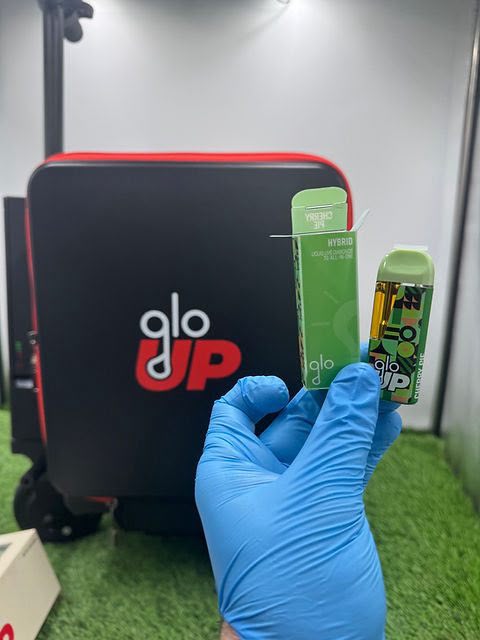
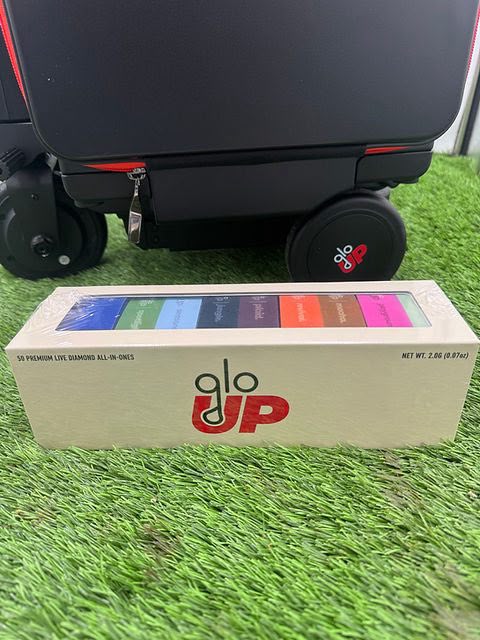
The glo up 2g disposable is a product identified by its compact electronic-device format and stated two-gram capacity. Its name combines the Glo Up branding with a product configuration commonly associated with portable disposable devices.
When examining this product category, it is important to understand the different components that contribute to its construction. These include the exterior housing, internal battery, electrical connections, heating components, and airflow architecture.
Furthermore, understanding these elements provides a clearer picture of how compact electronic devices are designed and manufactured.
Understanding the Glo Up Product Design
Product design plays an important role in the development of portable electronics. A well-organized exterior can provide a recognizable appearance while accommodating the internal components within a relatively small enclosure.
The Glo Up 2G Disposable name identifies a particular product configuration. However, exact information about its exterior materials, dimensions, colors, and construction should be confirmed through manufacturer documentation.
Several design considerations are relevant:
-
Compact exterior dimensions.
-
Enclosure construction and material quality.
-
Internal component arrangement.
-
Clearly identifiable product labeling.
-
Secure electrical connections.
-
Appropriate storage and disposal information.

glo up 2g disposable
Understanding the 2G Capacity
The 2G designation represents the stated capacity associated with the product. Nevertheless, this measurement should not be confused with battery capacity or the physical weight of the complete device.
In addition, capacity information should be interpreted alongside the manufacturer’s specifications.
Clear product documentation helps readers understand what the measurement represents without relying on assumptions.
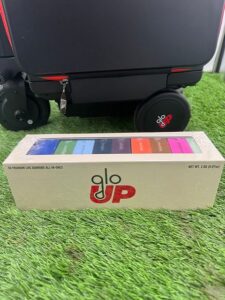
glo up 2g disposable
Exterior Construction and Materials
The exterior housing provides protection for the internal electronic components. Consequently, its construction deserves attention when evaluating overall product quality.
Material selection can influence several characteristics, including durability, surface finish, structural stability, and resistance to ordinary handling.
Moreover, consistent manufacturing standards help ensure that the enclosure and internal components fit together correctly.

glo up 2g disposable
Battery Technology and Electrical Components
Battery technology is an important consideration in portable electronic products.
A complete technical assessment should identify the battery type, rated voltage, capacity, charging configuration, and applicable safety certifications.
However, specific battery specifications for the Glo Up 2G Disposable should not be assumed without reliable documentation.
Damaged batteries, unusual heat, swelling, or electrical defects should always be treated as safety concerns.
Product Identification and Authenticity
Authenticity verification is an important part of responsible product research.
Packaging appearance alone cannot establish whether a product is genuine. Instead, useful verification information includes:
-
Manufacturer identification.
-
Product batch number.
-
Traceable production information.
-
Independent laboratory documentation, where applicable.
-
Clear ingredient and material disclosures.
-
Relevant regulatory information.
Frequently Asked Questions
What is Glo Up 2G Disposable?
It is a product identified by the Glo Up name and a stated two-gram capacity.
What does 2G represent?
It refers to the stated product capacity, rather than the battery’s electrical capacity.
What are its exact technical specifications?
Battery capacity, dimensions, materials, and other technical details should be confirmed through official product documentation.
How can authenticity be checked?
Look for verifiable manufacturer information, batch identification, and independent testing documentation.
Why is product construction important?
Construction influences enclosure integrity, component protection, and overall electrical safety.
The Glo Up 2G Disposable can be examined through several important product-information categories, including design, stated capacity, electronic construction, battery safety, and authenticity.
Glo Up 2G Disposable – Extended Product Design and Technical Information
Portable Electronic Device Engineering
Portable electronic devices require careful coordination between several internal and external components. Unlike larger electronic equipment, compact products have limited space for their electrical systems, protective housing, and supporting structures.
Consequently, manufacturers must consider component placement during the design process. Each component needs sufficient space while maintaining structural stability.
Additionally, the exterior enclosure should protect internal assemblies from ordinary environmental exposure. However, compact dimensions alone do not establish product quality or reliability.
A proper engineering assessment considers the materials used, manufacturing tolerances, electrical design, and applicable safety standards.
Internal Component Organization
Internal component organization is an important part of electronic product development.
A compact device may contain several interconnected assemblies. These can include a power source, electrical contacts, control components, and protective structures.
Furthermore, the arrangement of these components can influence the overall dimensions and weight of the finished product.
Manufacturing consistency is particularly important because poorly fitted components can create structural and electrical problems.
For that reason, product documentation should identify the major assemblies and explain their relevant safety requirements.
Exterior Finish and Surface Quality
Exterior finishing contributes to the overall appearance of a portable electronic product.
Manufacturers may consider several surface characteristics when developing an enclosure, including texture, color consistency, material strength, and resistance to ordinary handling.
Moreover, the finish should remain consistent across the product’s exterior surfaces.
Quality inspections can identify scratches, uneven edges, loose panels, and other visible manufacturing defects.
Nevertheless, an attractive exterior should never replace an assessment of internal electrical safety.
Manufacturing Quality Standards
Quality assurance helps manufacturers maintain consistency throughout production.
A reliable manufacturing process normally includes material inspection, component verification, assembly checks, and final product evaluation.
Each stage serves a different purpose. For example, incoming material inspections help identify defective components before assembly begins.
Similarly, final inspections can reveal visible defects and inconsistencies.
Important quality-control considerations include:
-
Material traceability.
-
Consistent component dimensions.
-
Electrical safety testing.
-
Manufacturing batch identification.
-
Packaging accuracy.
-
Documented inspection procedures.
Electronic Component Protection
Electronic components require suitable protection against physical damage and environmental conditions.
Protective enclosures help separate delicate internal assemblies from external contact. In addition, properly designed connections reduce the risk of mechanical instability.
However, enclosure protection should not be interpreted as proof that a device is waterproof, dustproof, or impact-resistant.
Those characteristics require appropriate testing and documented ratings.
Temperature Management and Material Stability
Temperature management is an important consideration in compact electronic products.
Electrical components can generate heat during operation. Therefore, designers must account for material limitations and relevant thermal safety requirements.
Furthermore, unsuitable materials or poor manufacturing practices may increase the possibility of component deterioration.
Consumers should pay attention to unusual heating, deformation, discoloration, and other visible signs of damage.
A product showing these warning signs should be removed from service.
Packaging and Product Information
Packaging provides an important source of product-identification information.
A complete package should communicate relevant details clearly and consistently. Depending on the product and applicable regulations, these may include:
-
Product name and model.
-
Manufacturer information.
-
Batch or lot identification.
-
Capacity declaration.
-
Material disclosures.
-
Safety warnings.
-
Storage and disposal instructions.
In addition, packaging information should correspond with the actual product.
Unclear labels and inconsistent identification details make independent verification more difficult.
Responsible Storage Considerations
Electronic products can be affected by environmental conditions.
Excessive temperatures, moisture, direct sunlight, and physical pressure may damage certain materials and electrical components.
Therefore, appropriate storage information should be supplied by the manufacturer.
Damaged or leaking products should not be handled unnecessarily. Furthermore, electronic devices containing batteries should be kept away from children and pets.
Environmental Considerations and Disposal
Disposable electronic products raise important environmental questions because they may contain multiple materials and electrical components.
For example, battery assemblies, plastic housings, and metal contacts require appropriate waste-management procedures.
Ordinary household disposal may not be suitable for products containing lithium batteries.
Instead, consumers should consult local electronic-waste collection services and applicable battery-disposal guidance.
Responsible disposal can reduce environmental contamination and help recover reusable materials.
Product Documentation and Transparency
Accurate documentation helps establish trust between manufacturers, distributors, and consumers.
A useful technical document should distinguish confirmed specifications from general product descriptions.
For instance, statements about battery capacity, materials, certifications, and manufacturing origin should have supporting evidence.
Similarly, product descriptions should avoid presenting assumptions as verified technical facts.
This approach improves readability while giving readers a clearer understanding of the information available.
Comparing Product Specifications
When researching products in the same category, it helps to use consistent comparison criteria.
| Specification | Information to verify |
|---|---|
| Product identification | Official model name |
| Capacity | Manufacturer declaration |
| Battery | Type and rated capacity |
| Materials | Documented material composition |
| Dimensions | Verified measurements |
| Manufacturing | Traceable manufacturer details |
| Safety | Applicable certifications |
| Disposal | Battery and electronic-waste guidance |
Using a consistent comparison structure makes technical research easier to understand.
Common Product Information Mistakes
Several mistakes can reduce the accuracy of online product descriptions.
Confusing capacity with battery size: These measurements describe different characteristics.
Assuming specifications from appearance: Similar-looking products may contain different internal components.
Treating packaging as authentication: Packaging can be copied, so additional verification is necessary.
Making unsupported durability claims: Durability requires appropriate testing.
Ignoring disposal instructions: Battery-powered electronics require responsible waste management.
Avoiding these mistakes improves the quality and reliability of product information.
Frequently Asked Technical Questions
Does the Glo Up 2G designation identify its battery capacity?
No. The designation refers to the stated product capacity, not necessarily its electrical specifications.
Can exterior appearance confirm authenticity?
No. Manufacturer verification and traceable product documentation provide stronger evidence.
Why are manufacturing standards important?
They help establish consistency, material quality, and electrical safety.
What information should accompany an electronic product?
Relevant identification, manufacturer details, safety information, and disposal guidance.
Why should battery disposal receive attention?
Some batteries contain materials that require specialized recycling or disposal procedures.
Understanding Glo Up 2G Disposable Product Information
The Glo Up 2G Disposable provides an opportunity to examine several broader topics associated with compact electronic product design.
From exterior construction to electrical components, manufacturing standards, packaging, and environmental considerations, each area contributes to a complete technical overview.
Ultimately, accurate documentation remains essential. Verified specifications provide a more dependable foundation than assumptions based on branding or appearance.
The Importance of Consistent Product Identification
Product identification is an essential part of understanding electronic products. A recognizable product name helps distinguish one model or edition from another. However, accurate identification requires more than branding alone.
For the Glo Up 2G Disposable, the product name and stated capacity provide basic identifying information. Nevertheless, additional details should be checked against reliable documentation.
For example, model numbers, batch references, manufacturing details, and packaging information can help establish whether two products belong to the same production series.
Furthermore, consistent identification makes product research easier. It allows retailers, researchers, and consumers to compare documentation without confusing different editions.
Material Selection and Product Durability
Material selection influences the structural characteristics of compact electronic products. Manufacturers must consider weight, strength, surface quality, and compatibility with internal components.
Additionally, the selected materials should remain suitable for their intended environment.
Plastic-based enclosures, metal contacts, and protective internal materials may serve different structural purposes. However, the exact materials used in the Glo Up 2G Disposable should only be described when supported by manufacturer information.
A responsible technical evaluation should also consider material safety documentation and manufacturing consistency.
Understanding Product Quality Assessment
Product quality involves several characteristics that should be evaluated together.
An attractive appearance does not necessarily indicate reliable internal construction. Similarly, a compact design does not automatically demonstrate better engineering.
Instead, quality assessment should consider documented manufacturing processes, component integrity, material consistency, and relevant electrical testing.
Moreover, independent testing can provide additional information about whether a product meets applicable requirements.
These considerations create a more complete understanding of product quality than branding statements alone.
Long-Term Environmental Responsibility
Electronic waste management deserves attention when examining disposable electronic products.
Such products may contain batteries, plastics, metals, and other materials that require different disposal methods.
Therefore, consumers should follow local electronic-waste regulations rather than placing battery-containing devices into ordinary waste streams.
Responsible disposal also supports material recovery and reduces the possibility of environmental contamination.
glo up 2g disposable glo up 2g disposable glo up 2g disposable glo up 2g disposable glo up 2g disposable glo up 2g disposable glo up 2g disposable glo up 2g disposable glo up 2g disposable glo up 2g disposable glo up 2g disposable glo up 2g disposable glo up 2g disposable glo up 2g disposable glo up 2g disposable
Final Product Research Checklist
Before publishing technical information about the Glo Up 2G Disposable, verify:
-
Official product identification.
-
Manufacturer information.
-
Confirmed capacity details.
-
Documented battery specifications.
-
Verified construction materials.
-
Relevant safety information.
-
Product batch identification.
-
Appropriate recycling instructions.
This checklist helps ensure that the published description remains informative, organized, and accurate.
Final Thoughts
The Glo Up 2G Disposable can be discussed through a broader examination of portable electronic product construction, identification, quality standards, and environmental responsibility.

















Reviews
There are no reviews yet.